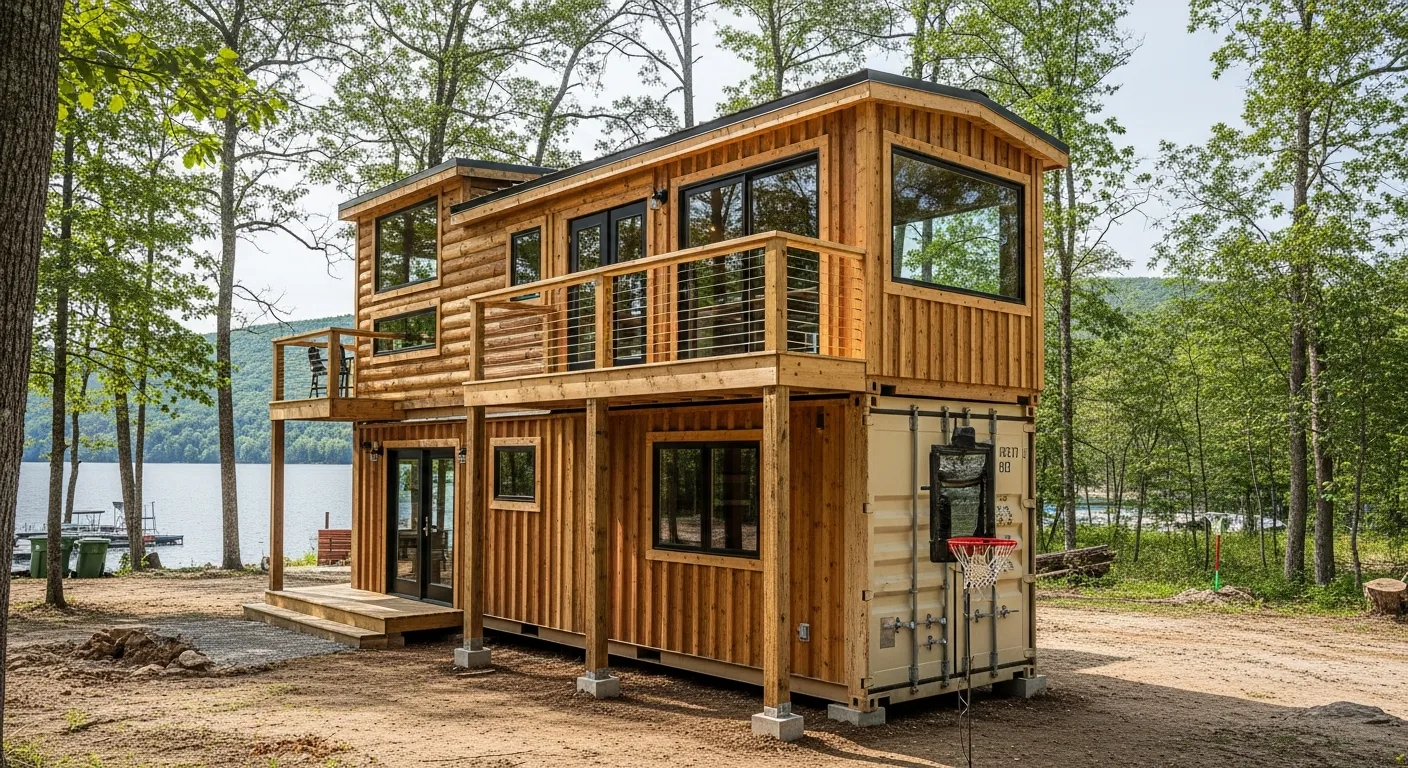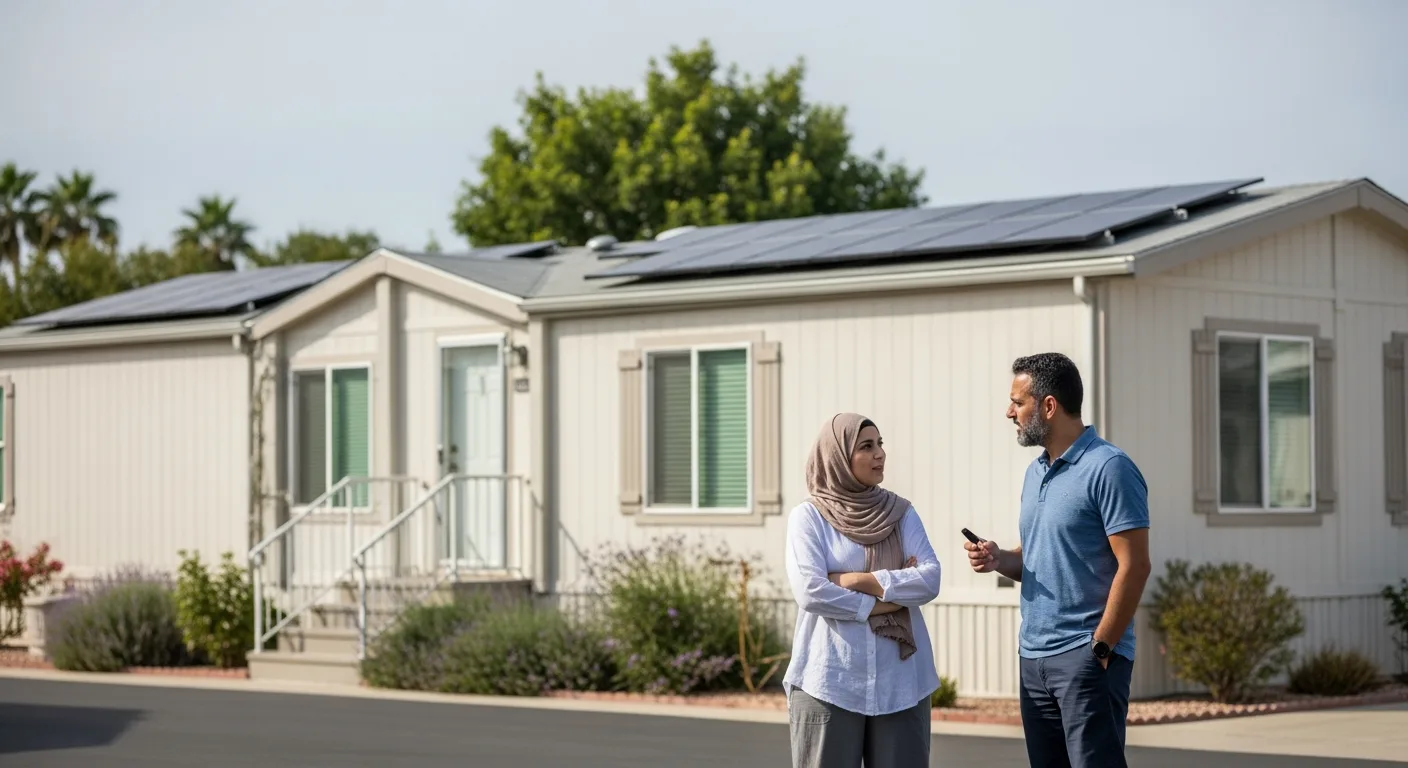
Selling a home can be a complex process, especially when unique factors like solar panels, family transactions, or mobile home park rules come into play. Whether you’re looking to capitalize on green energy upgrades or navigate personal sales, understanding the nuances is key to a smooth and profitable deal. This guide covers everything from valuing solar installations to handling closing costs and legal considerations, ensuring you’re prepared for any scenario.
To sell a home with solar panels, highlight energy savings and ROI in listings, transfer leases or ownership documents, and get a professional appraisal. For selling to family, use formal contracts and consider gift-of-equity options to avoid tax issues. In mobile home parks, check park rules and secure buyer approval. Closing costs are typically negotiable, but sellers often cover title fees and commissions, while buyers handle loan-related expenses.
How to Sell a Home with Solar Panels
Selling a home with solar panels can boost its value and appeal, but it requires careful planning. Start by documenting the system’s performance and savings, as buyers are often attracted to lower utility bills. If the panels are leased, coordinate with the leasing company to transfer the agreement, or consider buying them out to simplify the sale. A professional appraisal can help set a fair price, factoring in the panels’ age and efficiency. For more on home upgrades that add value, see our guide on luxury home renovation ideas.
- Gather documentation: Include installation dates, warranties, and energy production reports.
- Highlight benefits: Emphasize cost savings and environmental impact in marketing materials.
- Address ownership: Clarify if panels are owned, leased, or under a power purchase agreement (PPA).
- Get an appraisal: Use a solar-specific appraiser to assess added home value.
- Prepare for inspections: Ensure the system is in good working order before listing.
Selling a Home to a Family Member
Selling a home to a family member involves both emotional and financial considerations. To avoid conflicts, treat the transaction as a business deal with formal contracts and clear terms. Consider using a gift of equity to reduce the sale price, but be aware of tax implications like gift taxes or capital gains. It’s wise to involve a real estate attorney to draft agreements and ensure compliance with local laws. For insights on financial planning in home sales, check out our article on how to avoid tax on a second home.
- Set a fair price: Use a comparative market analysis or appraisal to determine value.
- Draft a purchase agreement: Include all terms, such as payment schedule and contingencies.
- Consider financing options: Explore family loans, seller financing, or traditional mortgages.
- Consult professionals: Hire an attorney and tax advisor to handle legal and tax matters.
- Disclose everything: Provide full disclosure of the home’s condition to prevent future disputes.
Selling a Mobile Home in a Trailer Park
Selling a mobile home in a trailer park comes with unique challenges, such as park rules and land lease agreements. First, review the park’s regulations on sales, as some require buyer approval or restrict transfers. If the home is on leased land, clarify the lease terms with the park management. Pricing should account for the home’s age, condition, and any park fees. For more on mobile home maintenance, refer to our mobile home structural repair guide.
- Check park rules: Verify if the park allows sales and any approval processes for buyers.
- Inspect the home: Address any issues, like subfloor damage or plumbing, before listing.
- Understand land leases: Explain lease terms to potential buyers, including rent and duration.
- Market effectively: Use listings that highlight park amenities and home features.
- Prepare paperwork: Include title, registration, and park agreement documents.
Who Pays Closing Costs on a Home Sale?
Closing costs in a home sale are typically negotiable, but there are common practices. Sellers often cover real estate agent commissions, title insurance, and transfer taxes, while buyers handle loan origination fees, appraisal costs, and homeowner’s insurance. In some markets, sellers may agree to pay a portion of the buyer’s costs to facilitate the deal. Always review the purchase agreement carefully to understand who is responsible for each fee. For related home transaction insights, see our guide on lease-to-own homes in Charlotte, NC.
| Closing Cost Item | Typically Paid by Seller | Typically Paid by Buyer |
|---|---|---|
| Real Estate Agent Commission | Yes | No |
| Title Insurance | Often | Sometimes |
| Loan Origination Fees | No | Yes |
| Appraisal Fees | No | Yes |
| Transfer Taxes | Yes | No |
Key Considerations for a Successful Sale
Regardless of the sale type, preparation is crucial. Start by decluttering and making minor repairs to enhance curb appeal. Price the home competitively based on market trends and comparable sales. Use high-quality photos and detailed descriptions in listings, especially for unique features like solar panels. Be transparent about any issues to build trust with buyers. For tips on maintaining your home before a sale, explore our master home maintenance checklists.
- Stage the home: Remove personal items and highlight key spaces to attract buyers.
- Set a realistic timeline: Allow for inspections, negotiations, and closing processes.
- Negotiate wisely: Be prepared to compromise on price or terms to close the deal.
- Stay organized: Keep all documents, like warranties and repair records, in one place.
- Communicate clearly: Maintain open lines with all parties, including agents and attorneys.
Frequently Asked Questions
Do solar panels increase home value?
Yes, solar panels can increase home value by reducing energy costs and appealing to eco-conscious buyers. Studies show homes with solar sell for 3-4% more on average, but the exact boost depends on system age and local market conditions.
What are the tax implications of selling to a family member?
Selling to a family member may trigger gift taxes if the sale price is below market value, as the difference could be considered a gift. Consult a tax advisor to navigate capital gains and potential exemptions.
Can I sell my mobile home if I don’t own the land?
Yes, you can sell a mobile home on leased land, but you must transfer the land lease to the buyer with park approval. Review the lease terms and park rules before listing.
Who usually pays for a home inspection?
Buyers typically pay for home inspections as part of their due diligence, but sellers may cover it in competitive markets or as a negotiation tactic to reassure buyers.
How do I transfer a solar panel lease?
Contact the leasing company to initiate a transfer, which often involves a credit check and fee. Provide the buyer with lease details and ensure they understand the terms.
What is a gift of equity in a family sale?
A gift of equity is when a seller reduces the sale price for a family member, effectively gifting part of the home’s value. It can help with financing but may have tax consequences.
Are closing costs higher for mobile homes?
Closing costs for mobile homes can be similar to traditional homes but may include additional fees for title transfers or park approvals. Always get a detailed estimate early in the process.
How can I market a home with solar panels effectively?
Highlight energy savings in listings, use before-and-after utility bill comparisons, and target green-minded buyers through online platforms and real estate agents familiar with eco-friendly homes.
Frequently Asked Questions
Do solar panels increase home value?
Yes, solar panels can increase home value by reducing energy costs and appealing to eco-conscious buyers. Studies show homes with solar sell for 3-4% more on average, but the exact boost depends on system age and local market conditions.
What are the tax implications of selling to a family member?
Selling to a family member may trigger gift taxes if the sale price is below market value, as the difference could be considered a gift. Consult a tax advisor to navigate capital gains and potential exemptions.
Can I sell my mobile home if I don't own the land?
Yes, you can sell a mobile home on leased land, but you must transfer the land lease to the buyer with park approval. Review the lease terms and park rules before listing.
Who usually pays for a home inspection?
Buyers typically pay for home inspections as part of their due diligence, but sellers may cover it in competitive markets or as a negotiation tactic to reassure buyers.
How do I transfer a solar panel lease?
Contact the leasing company to initiate a transfer, which often involves a credit check and fee. Provide the buyer with lease details and ensure they understand the terms.
What is a gift of equity in a family sale?
A gift of equity is when a seller reduces the sale price for a family member, effectively gifting part of the home’s value. It can help with financing but may have tax consequences.
Are closing costs higher for mobile homes?
Closing costs for mobile homes can be similar to traditional homes but may include additional fees for title transfers or park approvals. Always get a detailed estimate early in the process.
How can I market a home with solar panels effectively?
Highlight energy savings in listings, use before-and-after utility bill comparisons, and target green-minded buyers through online platforms and real estate agents familiar with eco-friendly homes.