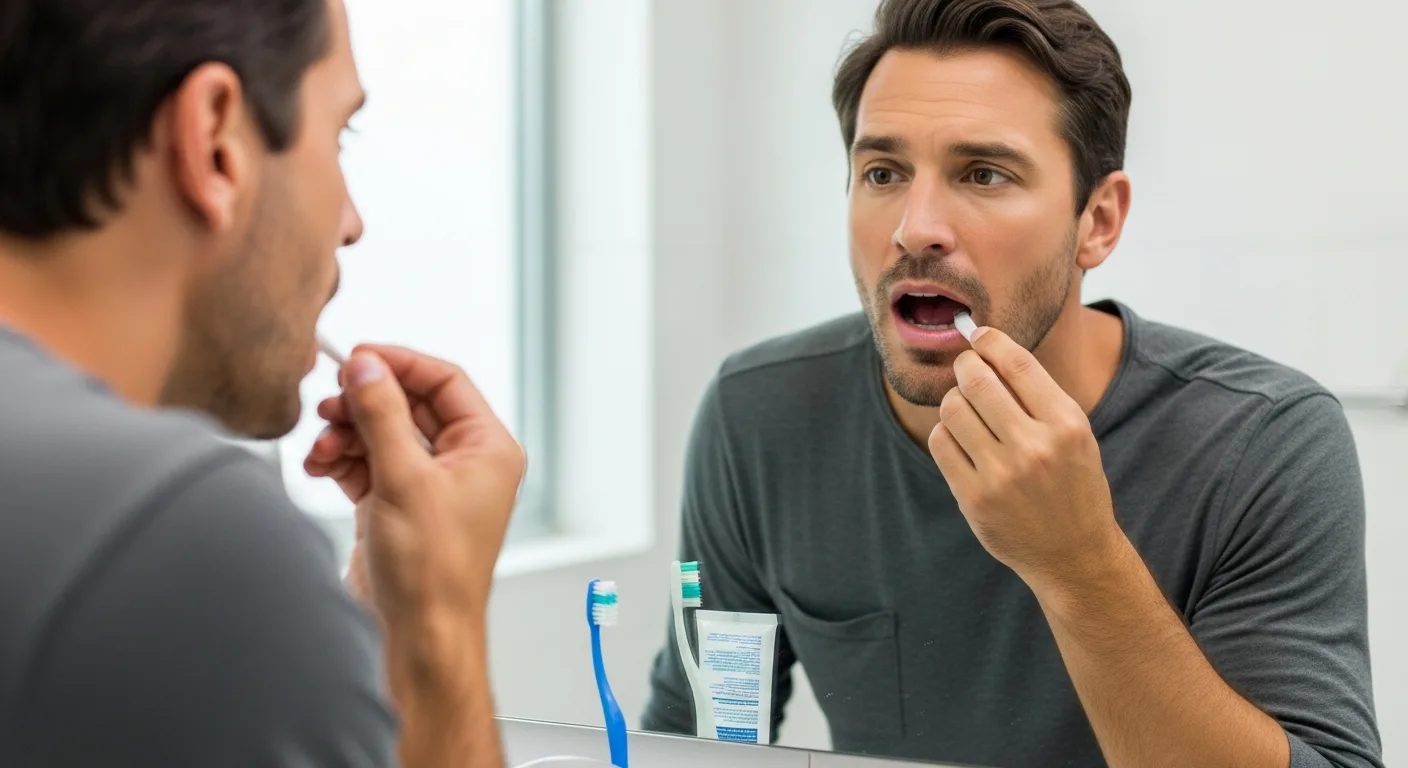
Maintaining oral health at home is crucial for preventing painful conditions like pericoronitis, ulcers, and canker sores. These issues can disrupt daily life, but with proper care, you can manage symptoms and promote healing. This guide covers practical home remedies and strategies to tackle common oral problems, from inflammation around wisdom teeth to pesky mouth sores. Whether you’re dealing with a sudden flare-up or looking to improve your routine, understanding these techniques empowers you to take control of your dental well-being. For broader home care tips, explore our master maintenance checklists to keep your living space—and health—in top shape.
For pericoronitis, rinse with warm salt water, use antiseptic mouthwash, and apply cold compresses to reduce swelling. For canker sores and lip ulcers, avoid spicy foods, apply topical gels, and maintain gentle oral hygiene. Plaque removal at home involves regular brushing, flossing, and using baking soda or hydrogen peroxide rinses.
Understanding Pericoronitis and Home Remedies
Pericoronitis is inflammation of the gum tissue around a partially erupted tooth, often a wisdom tooth. It can cause pain, swelling, and infection if left untreated. While severe cases require dental intervention, mild pericoronitis can be managed at home with simple remedies. Start by rinsing your mouth with warm salt water several times a day to reduce bacteria and soothe the area. Antiseptic mouthwashes containing chlorhexidine can also help control infection. Applying a cold compress to the outside of your cheek can minimize swelling and discomfort. Avoid hard or crunchy foods that might irritate the gum, and practice gentle brushing around the affected area. If symptoms persist, consult a dentist to prevent complications like abscesses. For more on handling dental emergencies at home, check out our guide on emergency dental pain relief.
- Rinse with warm salt water (1/2 teaspoon salt in a cup of warm water) 2-3 times daily.
- Use an antiseptic mouthwash to reduce bacterial growth.
- Apply a cold pack for 15 minutes to reduce swelling.
- Avoid smoking and alcohol, which can worsen inflammation.
- Maintain soft food diet to prevent irritation.
Home Remedies for Mouth Canker Sores and Lip Ulcers
Canker sores (aphthous ulcers) and lip ulcers are small, painful lesions inside the mouth or on the lips. They often result from stress, minor injuries, or dietary triggers. Home remedies focus on pain relief and speeding up healing. Rinsing with a baking soda solution (1 teaspoon baking soda in 1/2 cup water) can neutralize acids and promote recovery. Applying honey or aloe vera gel directly to the sore has antibacterial properties and soothes discomfort. Over-the-counter topical gels containing benzocaine provide temporary numbing. Avoid acidic or spicy foods, such as citrus fruits and hot sauces, which can aggravate ulcers. For persistent issues, consider dietary adjustments like increasing vitamin B12, iron, and folate intake. Good oral hygiene is key—use a soft-bristled toothbrush and avoid harsh toothpaste. If you’re dealing with skin-related home care, our article on canine dermatology home remedies offers insights into managing inflammation in pets, which shares principles with human care.
- Rinse with baking soda solution to reduce pain and inflammation.
- Apply natural remedies like honey or aloe vera for soothing effects.
- Use OTC numbing gels for immediate relief.
- Avoid trigger foods and maintain a balanced diet.
- Practice gentle oral care to prevent further irritation.
Plaque and Tartar Removal at Home
Plaque is a sticky film of bacteria that forms on teeth, hardening into tartar if not removed. Regular home care can prevent buildup and reduce the risk of gum disease and cavities. Brush your teeth twice daily with a fluoride toothpaste, using a soft-bristled brush at a 45-degree angle to the gums. Floss daily to clean between teeth where plaque accumulates. For an extra boost, rinse with a hydrogen peroxide solution (equal parts water and 3% hydrogen peroxide) once a week to kill bacteria—but avoid swallowing it. Baking soda can be used as a mild abrasive to scrub away surface stains; mix with water to form a paste and brush gently. Oil pulling with coconut oil for 10-15 minutes may also help reduce plaque. Remember, while home methods are effective, professional cleanings are essential for removing hardened tartar. For more DIY health tips, see our guide on DIY dental hygiene for tartar and gum care.
| Method | How to Use | Frequency |
|---|---|---|
| Brushing with Fluoride Toothpaste | Brush for 2 minutes, covering all surfaces | Twice daily |
| Flossing | Gently slide floss between teeth | Daily |
| Hydrogen Peroxide Rinse | Mix 1:1 with water, swish for 30 seconds | Once a week |
| Baking Soda Paste | Apply paste, brush gently, rinse | Once a week |
Preventive Oral Care Strategies
Preventing oral health issues starts with consistent habits. Maintain a balanced diet rich in vitamins and minerals to support gum health—foods like leafy greens, dairy, and lean proteins are beneficial. Stay hydrated to promote saliva production, which naturally cleanses the mouth. Avoid tobacco products and limit sugary snacks that contribute to plaque formation. Regular dental check-ups every six months allow for early detection of problems. Incorporate mouthguards if you grind your teeth at night, as this can cause ulcers and other issues. For those with mobility challenges, ensuring accessibility in your home can support overall health routines; learn more in our article on home accessibility elevators and ramps. By combining these strategies with home remedies, you can achieve better oral health and reduce the frequency of painful conditions.
- Eat a nutrient-rich diet to boost immune function.
- Drink plenty of water to wash away food particles.
- Avoid smoking and excessive sugar intake.
- Schedule regular dental visits for professional cleanings.
- Use protective gear like mouthguards if needed.
When to Seek Professional Help
While home remedies are effective for mild cases, certain symptoms warrant professional dental care. For pericoronitis, seek help if you experience severe pain, fever, difficulty swallowing, or pus discharge, as these may indicate an infection requiring antibiotics or drainage. Canker sores that last more than two weeks, are unusually large, or are accompanied by high fever could signal underlying health issues. If plaque and tartar buildup leads to bleeding gums, loose teeth, or persistent bad breath, a dentist can provide deep cleaning and treatment. Never ignore persistent symptoms, as they can escalate into more serious conditions like periodontal disease. For related home safety concerns, such as managing environmental factors, our guide on seasonal home prep covers pest and humidity control that can impact health.
What is the fastest way to heal pericoronitis at home?
The fastest way is to rinse with warm salt water multiple times daily, use an antiseptic mouthwash, and apply cold compresses to reduce swelling. Avoid irritating foods and maintain gentle oral hygiene to promote healing.
Can canker sores be cured permanently with home remedies?
Home remedies can manage symptoms and speed healing, but they may not cure canker sores permanently if caused by underlying factors like nutritional deficiencies or autoimmune conditions. Consistent care and dietary adjustments can reduce recurrence.
How often should I remove plaque at home?
Plaque should be removed daily through brushing and flossing. For deeper cleaning, use methods like baking soda paste or hydrogen peroxide rinses once a week, but avoid overuse to prevent enamel damage.
Are lip ulcers contagious?
Lip ulcers caused by canker sores are not contagious, as they are not viral. However, cold sores caused by herpes simplex virus are contagious, so it’s important to distinguish between the two for proper treatment.
What foods should I avoid with oral ulcers?
Avoid acidic foods (e.g., citrus fruits, tomatoes), spicy dishes, salty snacks, and rough textures like chips, as they can irritate ulcers and delay healing. Opt for soft, bland foods instead.
Can poor oral hygiene cause pericoronitis?
Yes, poor oral hygiene can contribute to pericoronitis by allowing bacteria to accumulate around partially erupted teeth, leading to inflammation and infection. Regular cleaning is essential for prevention.
Is oil pulling effective for plaque removal?
Oil pulling with coconut or sesame oil can help reduce plaque and bacteria when done regularly, but it should complement, not replace, brushing and flossing for comprehensive oral care.
When should I see a dentist for a canker sore?
See a dentist if a canker sore is unusually large, lasts more than two weeks, causes severe pain, or is accompanied by fever, as this may indicate a more serious condition requiring medical attention.
Frequently Asked Questions
What is the fastest way to heal pericoronitis at home?
The fastest way is to rinse with warm salt water multiple times daily, use an antiseptic mouthwash, and apply cold compresses to reduce swelling. Avoid irritating foods and maintain gentle oral hygiene to promote healing.
Can canker sores be cured permanently with home remedies?
Home remedies can manage symptoms and speed healing, but they may not cure canker sores permanently if caused by underlying factors like nutritional deficiencies or autoimmune conditions. Consistent care and dietary adjustments can reduce recurrence.
How often should I remove plaque at home?
Plaque should be removed daily through brushing and flossing. For deeper cleaning, use methods like baking soda paste or hydrogen peroxide rinses once a week, but avoid overuse to prevent enamel damage.
Are lip ulcers contagious?
Lip ulcers caused by canker sores are not contagious, as they are not viral. However, cold sores caused by herpes simplex virus are contagious, so it’s important to distinguish between the two for proper treatment.
What foods should I avoid with oral ulcers?
Avoid acidic foods (e.g., citrus fruits, tomatoes), spicy dishes, salty snacks, and rough textures like chips, as they can irritate ulcers and delay healing. Opt for soft, bland foods instead.
Can poor oral hygiene cause pericoronitis?
Yes, poor oral hygiene can contribute to pericoronitis by allowing bacteria to accumulate around partially erupted teeth, leading to inflammation and infection. Regular cleaning is essential for prevention.
Is oil pulling effective for plaque removal?
Oil pulling with coconut or sesame oil can help reduce plaque and bacteria when done regularly, but it should complement, not replace, brushing and flossing for comprehensive oral care.
When should I see a dentist for a canker sore?
See a dentist if a canker sore is unusually large, lasts more than two weeks, causes severe pain, or is accompanied by fever, as this may indicate a more serious condition requiring medical attention.