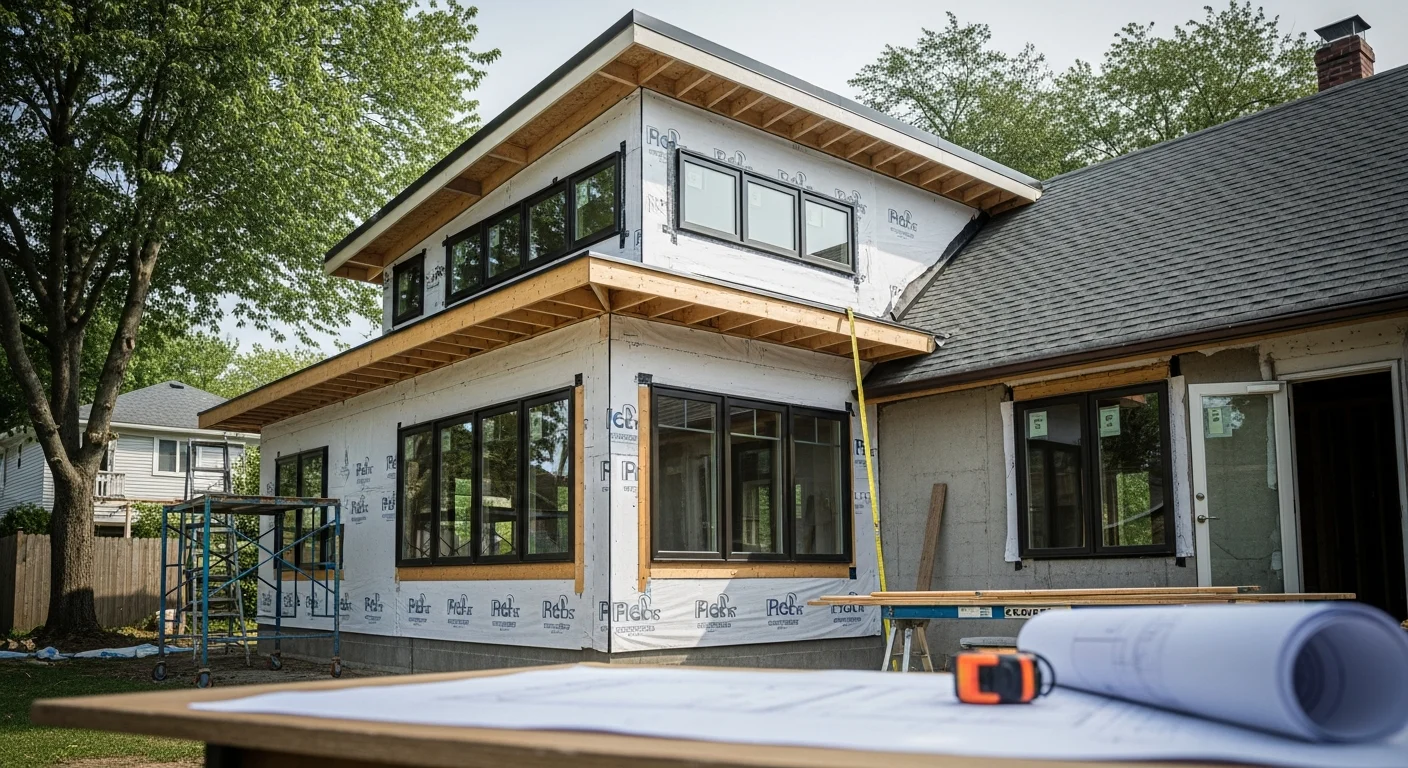
In today’s fast-paced world, the demand for efficient, affordable, and stylish housing solutions is higher than ever. Gone are the days when traditional stick-built homes were the only option. Modern housing innovations like modular, prefab, and duplex homes are revolutionizing the way we live, offering faster construction times, cost savings, and customizable designs. Whether you’re a first-time homebuyer, looking to downsize, or seeking an investment property, understanding these options can help you make an informed decision. This guide dives deep into the world of modern housing, explaining the differences, benefits, and considerations for each type, with a focus on popular choices like prefab ranch homes and duplex modular homes.
Modern housing options include modular homes (built in sections in a factory and assembled on-site), prefab homes (a broader term for factory-built homes, including modular), and duplex homes (two-unit buildings). Prefab ranch homes offer single-story living with factory efficiency, while duplex modular homes combine multi-unit design with modular construction. Key benefits are faster build times, cost savings, and customization, but consider factors like land, zoning, and transportation for modular home transportation.
What Are Modular Homes?
Modular homes are a type of prefabricated housing where the building is constructed in sections, or modules, in a controlled factory environment. These modules are then transported to the building site and assembled on a permanent foundation. Unlike mobile homes, modular homes are built to the same local building codes as traditional stick-built homes, ensuring durability and safety. The factory setting allows for precision engineering, reduced waste, and faster construction times—often cutting build time by 30-50% compared to on-site methods. This makes them an attractive option for those looking to move in quickly or on a budget. For more on exterior components, check out our guide on mobile home exteriors.
Key Features of Modular Homes
- Built in sections in a factory and assembled on-site.
- Comply with local building codes for permanent structures.
- Offer customization in design, from layouts to finishes.
- Faster construction due to controlled environment and parallel processes.
- Cost-effective with reduced labor and material waste.
Understanding Prefab Homes
Prefab, short for prefabricated, is a broader term that encompasses any home built off-site in a factory and then transported to the location for assembly. This includes modular homes, as well as panelized homes (where wall panels are built in a factory) and manufactured homes (often mobile homes). Prefab homes are known for their efficiency and quality control, as factory construction minimizes weather delays and allows for strict oversight. They come in various styles, from modern minimalist designs to traditional looks, making them versatile for different tastes. Prefab ranch homes, for example, are a popular subtype that offers single-story living with the benefits of factory construction, ideal for retirees or those seeking accessibility.
Benefits of Prefab Homes
- Reduced construction time, often by weeks or months.
- Lower costs due to bulk material purchasing and efficient labor.
- High quality with fewer defects from controlled environments.
- Eco-friendly options with sustainable materials and less waste.
- Flexibility in design, including smart home integrations for modern living.
Duplex Homes Explained
Duplex homes are residential buildings that contain two separate living units, typically side-by-side or stacked, under one roof. They can be built using traditional methods or modern techniques like modular construction. Duplex modular homes combine the efficiency of factory building with the dual-unit design, making them a smart choice for investors, multi-generational families, or homeowners looking to generate rental income. Each unit usually has its own entrance, kitchen, and living spaces, providing privacy while sharing walls and utilities. This setup can offer affordability through shared costs and potential rental revenue, but it’s important to consider local zoning laws and neighborhood regulations.
Advantages of Duplex Homes
- Income potential from renting one unit while living in the other.
- Cost-sharing on maintenance, utilities, and property taxes.
- Flexibility for multi-generational living or guest spaces.
- Increased property value in high-demand rental markets.
- Options for customization in modular duplex designs.
Comparing Modular, Prefab, and Duplex Homes
To help you decide which option suits your needs, here’s a comparison table highlighting key aspects. Note that prefab is a category that includes modular, so some features overlap.
| Feature | Modular Homes | Prefab Homes (General) | Duplex Homes |
|---|---|---|---|
| Construction Method | Built in modules in a factory | Factory-built (modules, panels, etc.) | Can be stick-built or modular |
| Build Time | Fast (30-50% quicker) | Fast to moderate | Varies by method |
| Cost | Lower due to efficiency | Cost-effective | Higher initial, but income potential |
| Customization | High, with design options | Moderate to high | Depends on construction type |
| Best For | Quick move-in, budget buyers | Eco-conscious, style seekers | Investors, families |
Focus on Prefab Ranch Homes
Prefab ranch homes are a specific style of prefabricated housing characterized by their single-story layout, often with an open floor plan and sprawling design. They are ideal for those seeking accessibility, as they eliminate stairs, making them perfect for aging in place or individuals with mobility issues. The ranch style typically features a low-pitched roof, attached garage, and large windows, blending indoor and outdoor living. With prefab construction, these homes benefit from faster build times and cost savings, while offering customization in finishes and layouts. For example, you can integrate smart home devices to enhance convenience and energy efficiency.
Why Choose a Prefab Ranch Home?
- Accessibility with no stairs, ideal for all ages.
- Efficient use of space with open floor plans.
- Quick construction, often ready in months.
- Cost savings compared to custom-built ranches.
- Customizable designs to fit personal style.
Modular Home Transportation and Logistics
One of the unique aspects of modular homes is the transportation process, where modules are moved from the factory to the building site. This involves careful planning, as modules can be large and heavy, requiring specialized trucks and permits. Factors like route selection, weather conditions, and site accessibility play a crucial role. Proper logistics ensure that modules arrive undamaged and on schedule, minimizing delays. It’s essential to work with experienced manufacturers who handle transportation, as they coordinate with local authorities and use secure methods. This step is critical for the success of your project, especially in remote or urban areas.
Key Considerations for Transportation
- Route planning to avoid obstacles like low bridges or narrow roads.
- Permits and regulations from state and local authorities.
- Site preparation, including foundation readiness and crane access.
- Weather delays, which are less common than on-site builds but still possible.
- Insurance coverage for transit and assembly phases.
FAQs About Modern Housing Options
What is the difference between modular and prefab homes?
Modular homes are a type of prefab home, built in sections in a factory. Prefab is a broader term that includes modular, panelized, and manufactured homes, all constructed off-site.
Are prefab ranch homes durable?
Yes, prefab ranch homes are built to meet or exceed local building codes, using quality materials. They are as durable as traditional homes, with proper maintenance.
How long does it take to build a duplex modular home?
Construction time varies, but typically, duplex modular homes can be completed in 3-6 months, including factory build, transportation, and on-site assembly.
Can I customize a modular home?
Absolutely! Modular homes offer extensive customization options, from floor plans to finishes, allowing you to design a home that fits your needs and style.
What are the costs associated with modular home transportation?
Costs include trucking fees, permits, and possibly crane rental, ranging from $5,000 to $20,000 depending on distance and complexity.
Are duplex homes a good investment?
Yes, duplex homes can be excellent investments due to rental income potential, tax benefits, and property value appreciation in growing markets.
Do prefab homes hold their value?
Prefab homes generally hold value well, especially if maintained properly and built in desirable locations, similar to traditional homes.
What zoning issues should I consider for a duplex?
Check local zoning laws for multi-family dwellings, parking requirements, and density restrictions to ensure compliance before building.