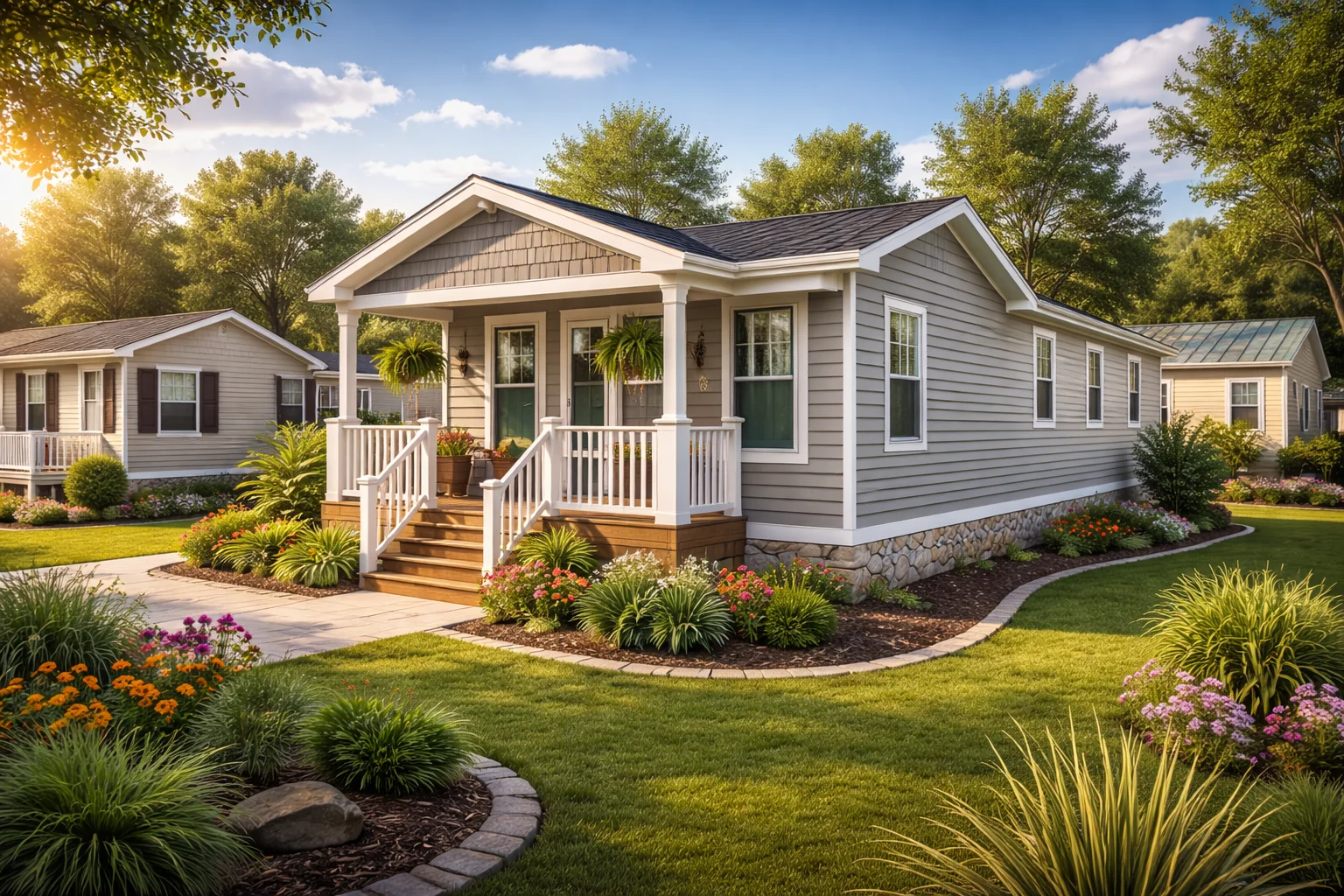
Mobile homes present unique challenges when it comes to heating and insulation, requiring specialized systems like Coleman mobile home furnaces to ensure comfort and efficiency. Unlike traditional houses, mobile homes have thinner walls, different ductwork layouts, and specific safety requirements that demand tailored solutions. Whether you’re dealing with a gas furnace, electric heater, or a combo unit, understanding the intricacies of mobile home HVAC is crucial for maintaining a warm, safe, and energy-efficient living space. This guide dives into everything from furnace selection and installation to insulation upgrades that can transform your home’s thermal performance.
Coleman mobile home furnaces are specifically designed for manufactured housing, offering efficient gas or electric heating with safety features like sealed combustion. Proper insulation, such as adding skirting or upgrading walls, is essential to maximize furnace performance and reduce energy costs in mobile homes.
Types of Mobile Home Furnaces
Mobile home furnaces come in various types, each suited to different needs and fuel sources. The most common options include gas furnaces, electric furnaces, and heat pumps, with brands like Coleman leading the market in specialized designs. Gas furnaces, often powered by propane or natural gas, are popular for their cost-effectiveness and quick heating, but require proper venting and maintenance. Electric furnaces are easier to install and safer in terms of combustion risks, though they can be more expensive to operate. For those looking to integrate cooling, a mobile home furnace & air conditioner combo provides year-round climate control in a single unit, simplifying your HVAC setup.
- Gas furnaces: Use propane or natural gas; require venting and regular inspection.
- Electric furnaces: No combustion; easier installation but higher operational costs.
- Heat pumps: Provide both heating and cooling; efficient in moderate climates.
- Combo units: Integrate furnace and AC; ideal for all-season comfort.
Coleman Mobile Home Furnace Features
Coleman is a trusted name in mobile home heating, known for furnaces that meet the strict standards of manufactured housing. A Coleman mobile home furnace typically includes features like sealed combustion chambers to prevent drafts, multi-speed blowers for even heat distribution, and safety shut-off valves. These units are designed to fit the compact spaces and unique ductwork of mobile homes, ensuring efficient operation without compromising on safety. When selecting a model, consider factors such as BTU output, energy efficiency ratings, and compatibility with your home’s existing systems. Regular maintenance, like cleaning filters and checking vents, is key to prolonging the life of your furnace and avoiding common issues.
- Sealed combustion: Prevents indoor air contamination and improves safety.
- Multi-speed blowers: Enhance airflow and temperature consistency.
- Safety features: Include automatic shut-off and flame sensors.
- Energy efficiency: Look for high AFUE ratings to save on utility bills.
Mobile Home Insulation Essentials
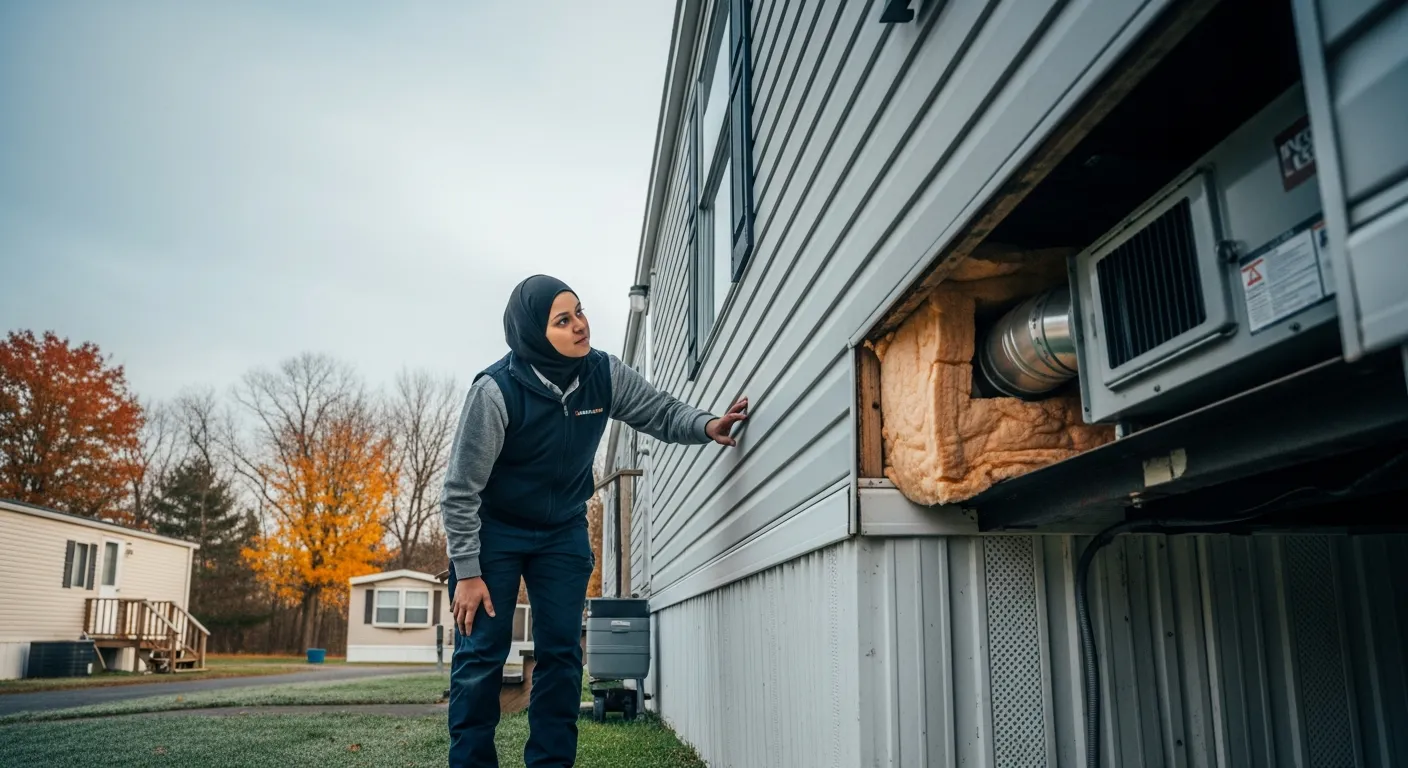
Insulation is a critical component of mobile home heating, as poor thermal barriers can lead to significant heat loss and higher energy bills. Common areas to insulate include walls, floors, ceilings, and skirting, with materials like fiberglass, foam board, and spray foam offering varying levels of protection. Upgrading insulation not only improves comfort but also enhances the efficiency of your furnace, allowing it to work less to maintain desired temperatures. For a comprehensive approach, consider pairing insulation upgrades with other home improvements, such as those outlined in our guide on mobile home exteriors, which covers roofs and skirting that impact heat retention.
- Walls: Use batt insulation or foam boards to reduce heat transfer.
- Floors: Insulate crawl spaces with rigid foam to prevent cold drafts.
- Ceilings: Add attic insulation to trap warm air inside.
- Skirting: Install insulated skirting to protect underbelly from wind.
Installation and Maintenance Tips
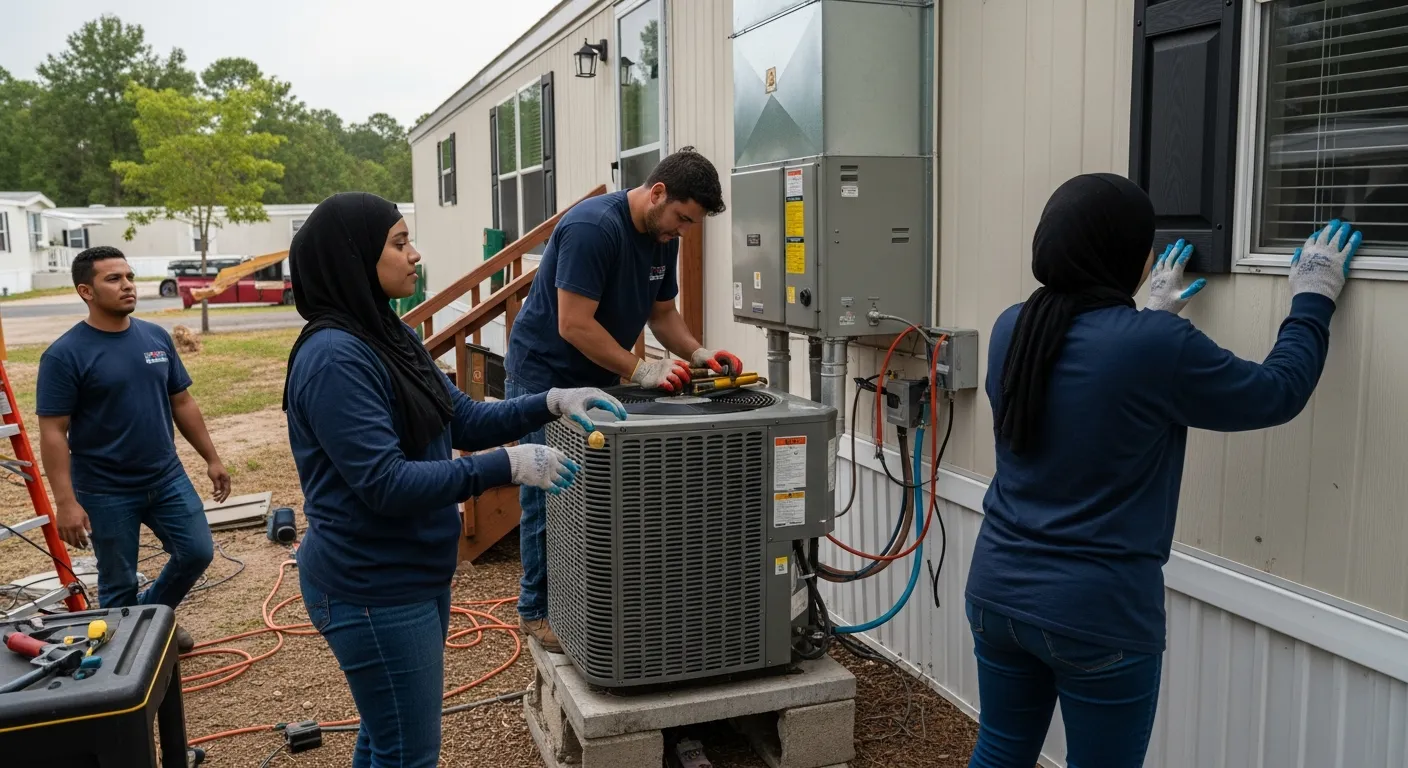
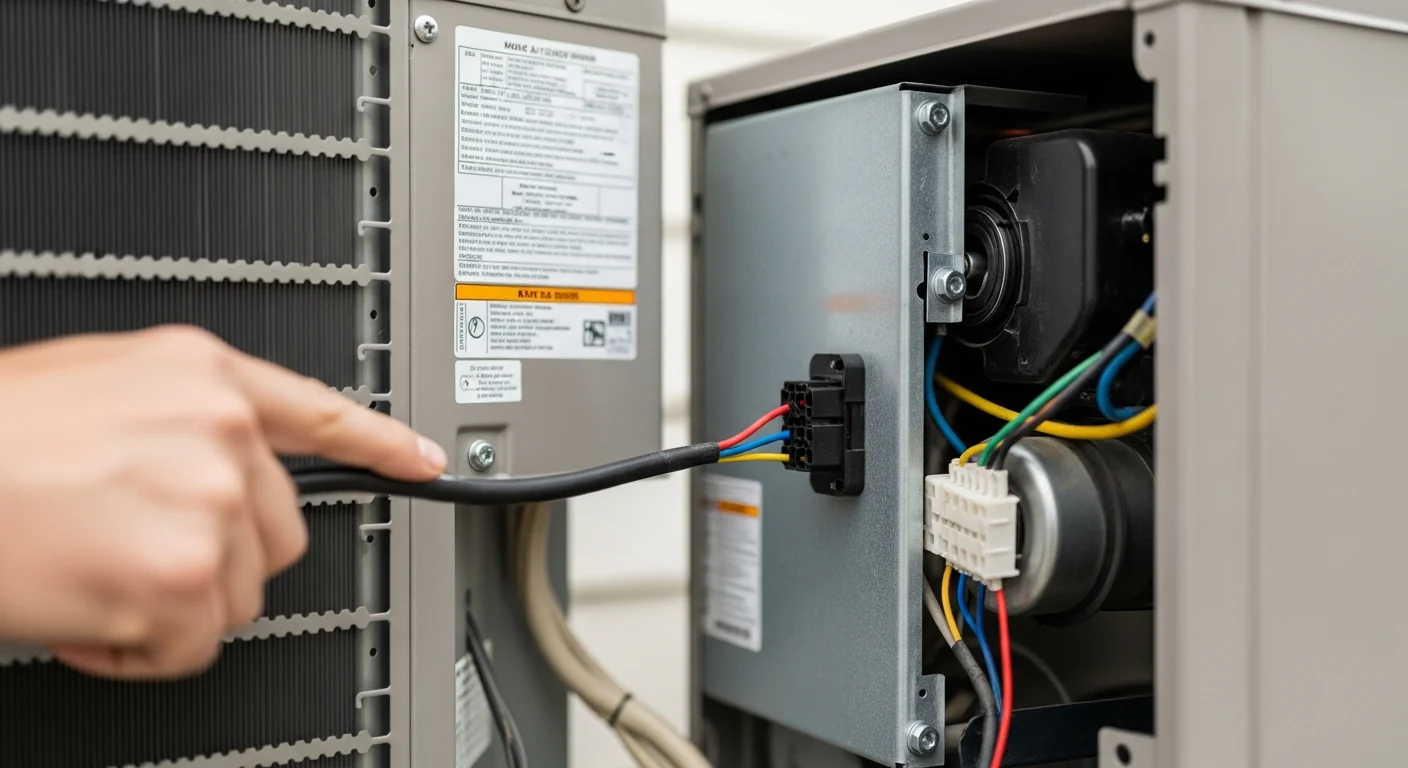
Proper installation and maintenance are vital for the safe and efficient operation of a mobile home gas furnace or any heating system. Installation should always be handled by a licensed professional, especially for gas units, to ensure compliance with local codes and manufacturer specifications. Key steps include securing the furnace to the floor, connecting ductwork correctly, and testing for leaks. For maintenance, create a routine schedule that includes cleaning or replacing air filters, inspecting vents and flues, and checking for carbon monoxide leaks. If you encounter issues, refer to our article on troubleshooting HVAC problems for expert advice on common fixes.
- Hire a professional: Ensure safe installation and code compliance.
- Regular filter changes: Improve airflow and furnace efficiency.
- Inspect vents: Clear obstructions to prevent carbon monoxide buildup.
- Schedule annual check-ups: Extend furnace lifespan and prevent breakdowns.
Comparing Heating Options for Mobile Homes
| Option | Pros | Cons | Best For |
|---|---|---|---|
| Coleman Gas Furnace | Cost-effective, quick heating, high efficiency | Requires venting, combustion risks | Colder climates, existing gas lines |
| Electric Furnace | Easy installation, no combustion, safe | Higher operational costs, slower heating | Milder areas, safety-focused homes |
| Furnace & AC Combo | Year-round comfort, space-saving | Higher upfront cost, complex maintenance | All-season needs, integrated systems |
| Heat Pump | Energy-efficient, dual heating/cooling | Less effective in extreme cold | Moderate climates, eco-friendly goals |
Energy Efficiency and Cost Savings
Improving energy efficiency in mobile homes involves a combination of furnace upgrades and insulation enhancements. A high-efficiency Coleman mobile home furnace can reduce fuel consumption by up to 30%, while proper insulation minimizes heat loss, allowing your system to run less frequently. To maximize savings, consider sealing air leaks around windows and doors, using programmable thermostats, and investing in energy-efficient windows. These steps not only lower utility bills but also contribute to a more sustainable home. For more ideas on enhancing your home’s value through renovations, check out our insights on home value improvements, which include energy-efficient upgrades.
- Upgrade to high-efficiency furnaces: Look for AFUE ratings above 90%.
- Seal air leaks: Use caulk or weatherstripping around openings.
- Install programmable thermostats: Optimize heating schedules.
- Add energy-efficient windows: Reduce drafts and heat transfer.
Frequently Asked Questions
What is the average lifespan of a Coleman mobile home furnace?
A Coleman mobile home furnace typically lasts 15-20 years with proper maintenance, including regular filter changes and annual professional inspections.
Can I install a mobile home gas furnace myself?
No, installing a mobile home gas furnace requires professional expertise due to safety risks, gas line connections, and compliance with building codes.
How much does it cost to insulate a mobile home?
Insulating a mobile home costs $1,500-$4,000 on average, depending on size, materials, and areas covered, such as walls, floors, and skirting.
What are the signs my mobile home furnace needs repair?
Common signs include unusual noises, weak airflow, frequent cycling, higher energy bills, and the furnace not producing enough heat.
Is a furnace & air conditioner combo worth it for mobile homes?
Yes, a combo unit is worth it for convenience and space savings, providing both heating and cooling in one system, ideal for year-round comfort.
How can I improve insulation in an older mobile home?
Improve insulation by adding foam board to walls, insulating the underbelly with skirting, sealing gaps, and upgrading attic insulation.
What safety features should I look for in a mobile home furnace?
Look for sealed combustion, automatic shut-off valves, flame sensors, and carbon monoxide detectors to ensure safe operation.