In today’s world, ensuring your home is safe and secure has never been more critical. From advanced alarm systems like the DSC home alarm system to versatile 4 camera home security setups, backup generators for power outages, and smart devices like the Alfred home security camera, homeowners have a wealth of options to protect their property and loved ones. This guide dives deep into the essentials of home safety systems, offering practical advice on selection, installation, and integration to create a robust defense against threats. Whether you’re a first-time buyer or looking to upgrade, understanding these components can transform your living space into a fortress of peace and security.
A comprehensive home safety system typically includes a DSC home alarm system for intrusion detection, a 4 camera setup for surveillance, a backup generator for power continuity, and smart cameras like Alfred for remote monitoring, all integrated for seamless protection.
Understanding Home Alarm Systems
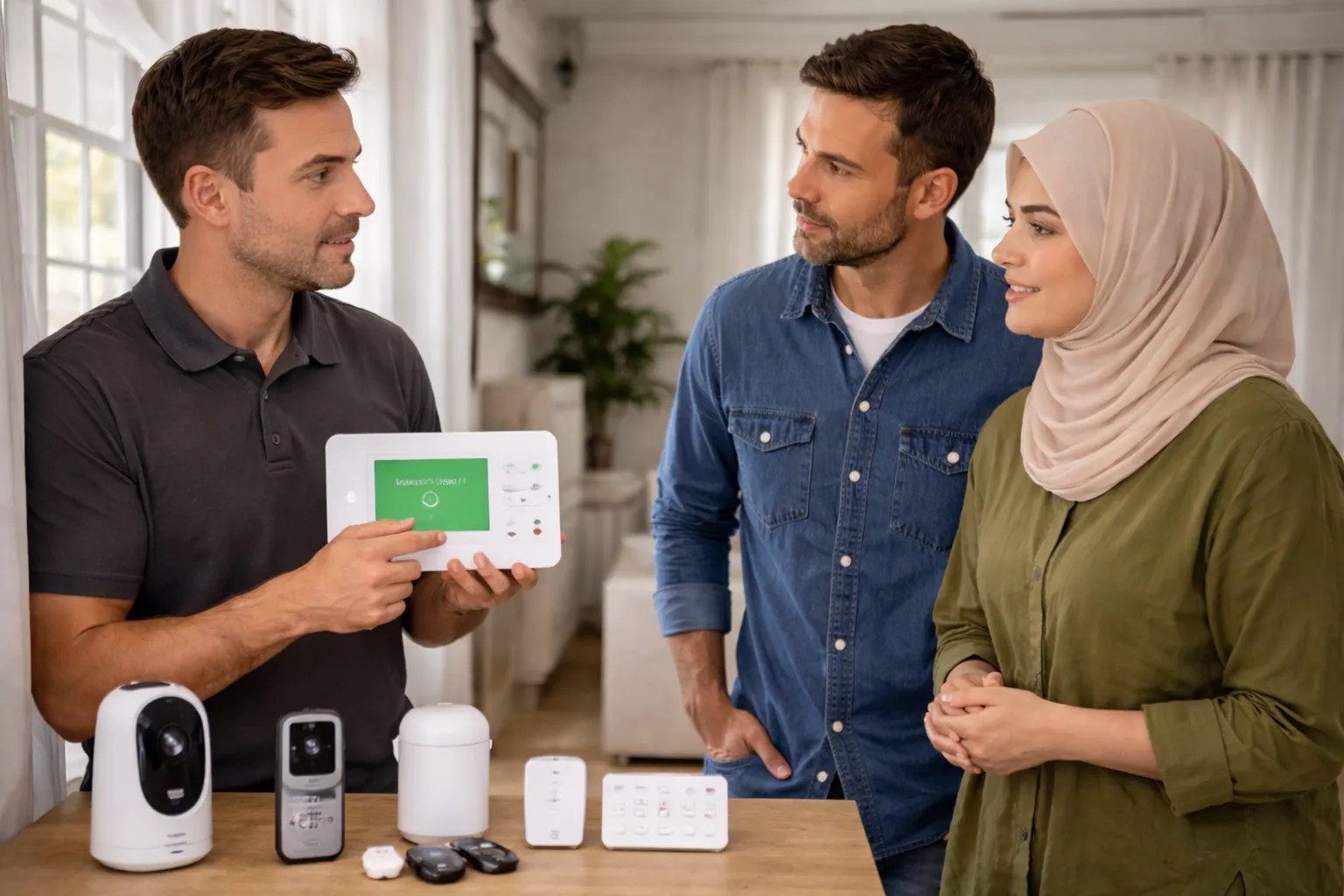
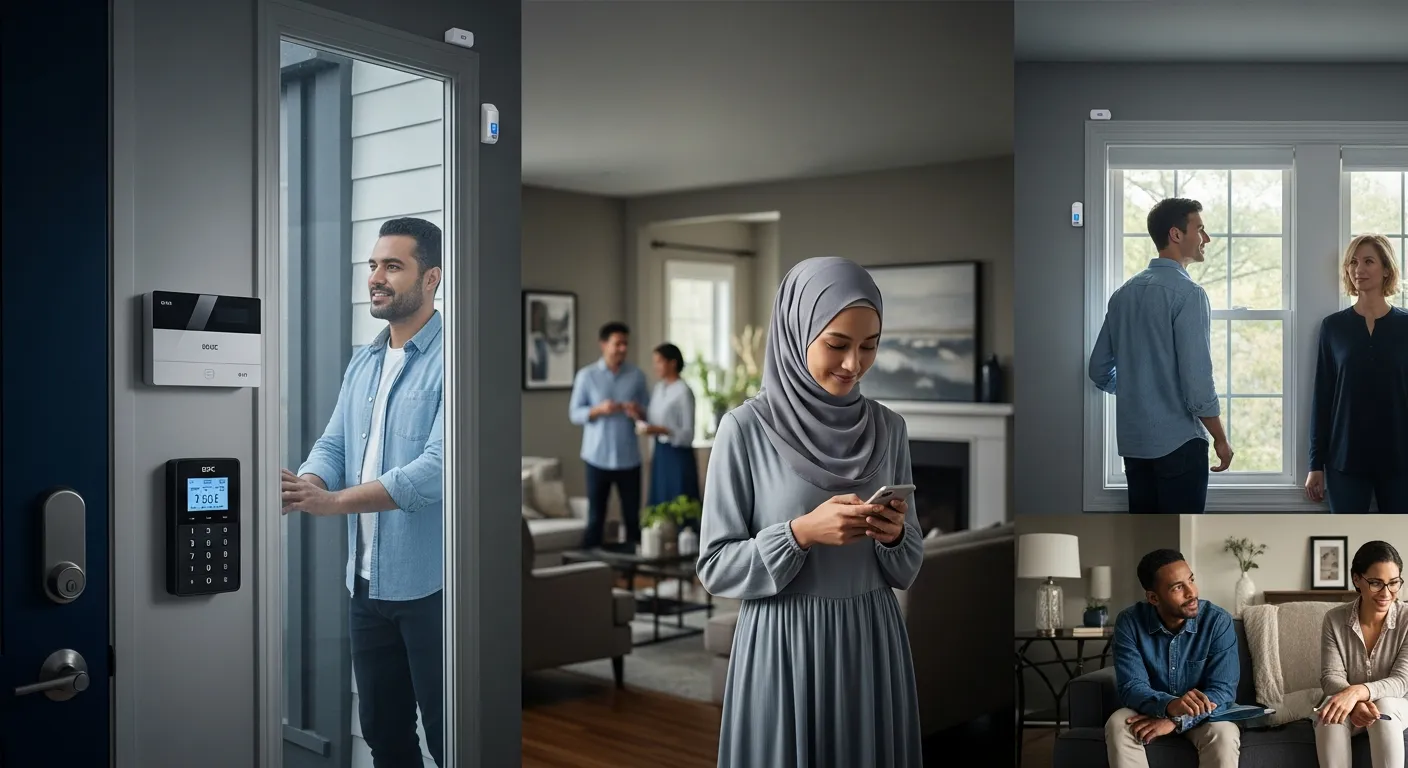
Home alarm systems are the cornerstone of residential security, designed to detect unauthorized entry and alert homeowners or authorities. The DSC home alarm system is a popular choice, known for its reliability and ease of use. These systems often include sensors on doors and windows, motion detectors, and a central control panel. When triggered, they can sound a siren, send notifications to your phone, or contact a monitoring service. Investing in a quality alarm system not only deters burglars but also provides peace of mind, knowing your home is actively protected. For those interested in broader home security measures, exploring home security fundamentals can offer additional insights into physical and electronic safeguards.
- Key components: control panel, sensors, siren, and monitoring options.
- Benefits: deterrence, real-time alerts, and potential insurance discounts.
- Installation tips: professional vs. DIY, placement for optimal coverage.
Choosing a 4 Camera Home Security System
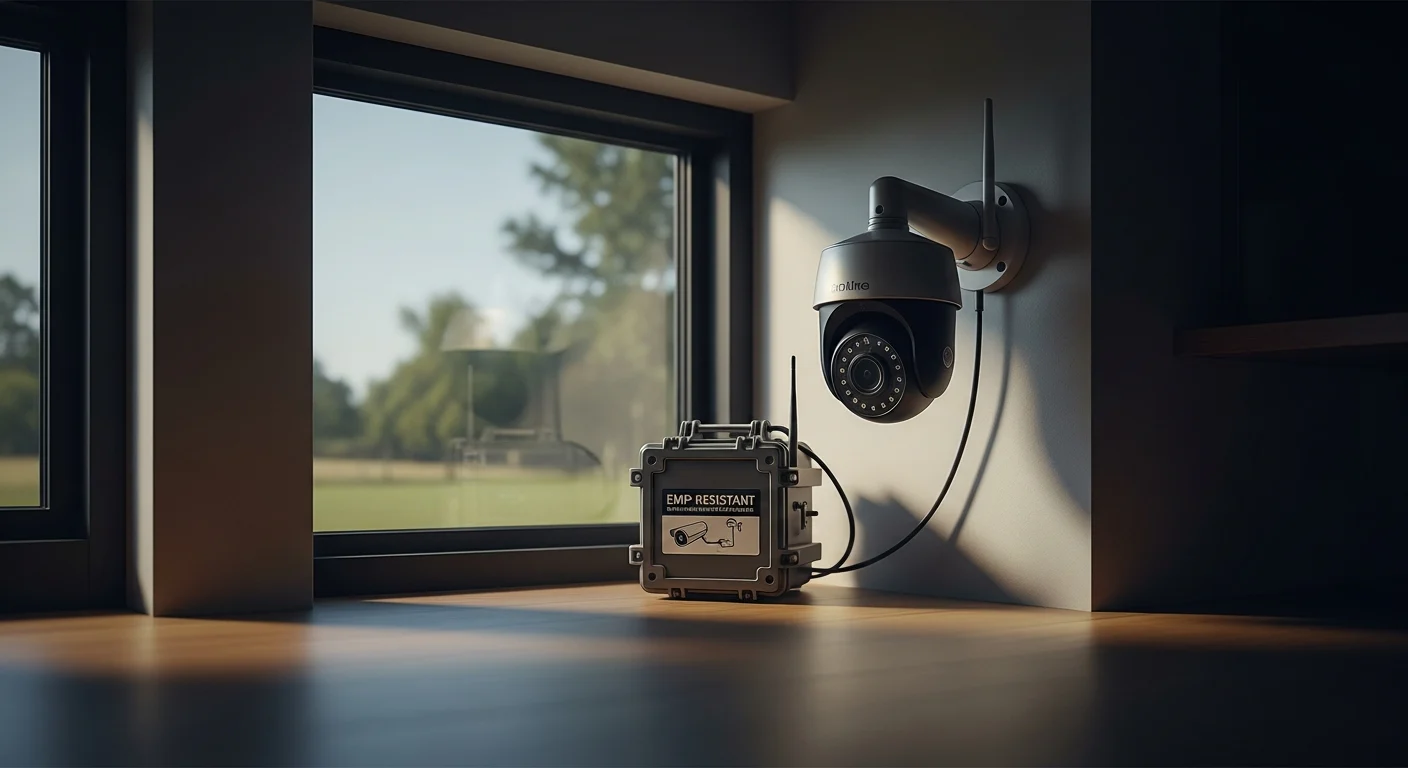
A 4 camera home security system provides comprehensive surveillance, covering multiple angles of your property to monitor for intruders, package theft, or other incidents. These systems typically include cameras with features like night vision, motion detection, and weather resistance. When selecting a setup, consider factors such as resolution (e.g., 1080p or 4K), storage options (cloud or local), and integration with other smart devices. Proper placement is crucial—aim for entry points, driveways, and blind spots. For those designing a secure home environment, integrating surveillance with other systems, like those discussed in our smart home setup guide, can enhance overall functionality.
- Assess your property’s layout to determine camera placement needs.
- Compare camera specs: resolution, field of view, and connectivity.
- Set up storage and alerts for continuous monitoring.
Backup Generator for Homes: Ensuring Power Continuity
A backup generator for homes is essential for maintaining safety during power outages, which can disrupt alarm systems, cameras, and other critical devices. Generators come in various types, including portable and standby models, with fuel options like gasoline, propane, or natural gas. When choosing one, calculate your home’s power needs to ensure it can support essential appliances and security systems. Installation should be done by a professional to comply with local codes and ensure safe operation. For homeowners looking to upgrade their entire property, learning about whole home upgrades can provide a broader perspective on improving resilience and efficiency.
| Generator Type | Power Output | Best For |
|---|---|---|
| Portable | 3,000-8,000 watts | Small homes or temporary use |
| Standby | 10,000-20,000+ watts | Whole-house coverage |
| Inverter | 2,000-4,000 watts | Sensitive electronics |
Alfred Home Security Camera: Smart Monitoring Solutions
The Alfred home security camera is a budget-friendly, app-based option that turns old smartphones or tablets into surveillance devices. It offers features like live streaming, motion detection, and two-way audio, making it accessible for DIY enthusiasts. While it may not replace a dedicated 4 camera system, it’s a great supplement for indoor monitoring or temporary setups. To maximize its effectiveness, ensure stable Wi-Fi connectivity and regular software updates. For those interested in other smart home integrations, checking out resources on smart home networking can help troubleshoot common issues and optimize performance.
- Pros: low cost, easy setup, and versatile use with old devices.
- Cons: limited to Wi-Fi dependency and basic features compared to professional systems.
- Tips: position in high-traffic areas and use with other security measures.
Integration and Maintenance Tips
Integrating your DSC home alarm system, 4 camera setup, backup generator, and Alfred camera creates a cohesive safety network. Start by ensuring all devices are compatible, often through smart hubs or apps. Regular maintenance is key—test alarms monthly, clean camera lenses, and run generator drills to ensure functionality during emergencies. Additionally, consider professional monitoring services for added layers of protection. For emergency preparedness beyond security, our guide on home emergency preparedness offers checklists and tips for comprehensive safety planning.
- Sync devices via a central app or hub for unified control.
- Schedule routine checks: battery replacements, software updates, and system tests.
- Document emergency protocols and share with household members.
Frequently Asked Questions
What is the best DSC home alarm system for beginners?
The DSC PC1832 is a popular choice for beginners due to its user-friendly interface and reliable performance, often available in DIY kits with easy installation guides.
How much does a 4 camera home security system cost?
Costs range from $200 to $1,000+, depending on features like resolution, storage, and brand; basic systems start around $300 for a decent setup.
Why do I need a backup generator for my home security?
A backup generator ensures your alarm and cameras remain operational during power outages, preventing security gaps that could leave your home vulnerable.
Is the Alfred home security camera compatible with other systems?
Alfred primarily works as a standalone app but can be used alongside other systems via smart home integrations, though direct compatibility may be limited.
How often should I test my home safety systems?
Test alarm systems monthly, cameras weekly for functionality, and backup generators every 3-6 months to ensure they’re ready for emergencies.
Can I install a DSC system myself?
Yes, many DSC systems offer DIY installation with detailed instructions, but professional installation is recommended for complex setups or if you’re unsure.
What are the key features to look for in a 4 camera system?
Prioritize high resolution (1080p or higher), night vision, weather resistance, and reliable storage options like cloud or local DVR.
How do I maintain my backup generator?
Regularly check fuel levels, run it under load periodically, and schedule professional servicing annually to keep it in optimal condition.
Frequently Asked Questions
What is the best DSC home alarm system for beginners?
The DSC PC1832 is a popular choice for beginners due to its user-friendly interface and reliable performance, often available in DIY kits with easy installation guides.
How much does a 4 camera home security system cost?
Costs range from $200 to $1,000+, depending on features like resolution, storage, and brand; basic systems start around $300 for a decent setup.
Why do I need a backup generator for my home security?
A backup generator ensures your alarm and cameras remain operational during power outages, preventing security gaps that could leave your home vulnerable.
Is the Alfred home security camera compatible with other systems?
Alfred primarily works as a standalone app but can be used alongside other systems via smart home integrations, though direct compatibility may be limited.
How often should I test my home safety systems?
Test alarm systems monthly, cameras weekly for functionality, and backup generators every 3-6 months to ensure they’re ready for emergencies.
Can I install a DSC system myself?
Yes, many DSC systems offer DIY installation with detailed instructions, but professional installation is recommended for complex setups or if you’re unsure.
What are the key features to look for in a 4 camera system?
Prioritize high resolution (1080p or higher), night vision, weather resistance, and reliable storage options like cloud or local DVR.
How do I maintain my backup generator?
Regularly check fuel levels, run it under load periodically, and schedule professional servicing annually to keep it in optimal condition.