Creating a home gym with a pulley system can transform your fitness routine, offering versatility and efficiency in a compact space. Whether you’re a beginner or an experienced lifter, understanding how to integrate pulley systems, barbells, and leg workout machines into your setup is key to maximizing your workouts. This guide covers everything from equipment selection to smart layout designs, helping you build a functional and inspiring home gym that meets your fitness goals.
A pulley system for home gym provides versatile resistance training for upper and lower body exercises, ideal for small spaces. Key components include cable machines, adjustable pulleys, and attachments like handles and bars, integrated into layouts such as corner setups or multi-station designs to optimize your workout efficiency.
What Is a Pulley System for Home Gym?
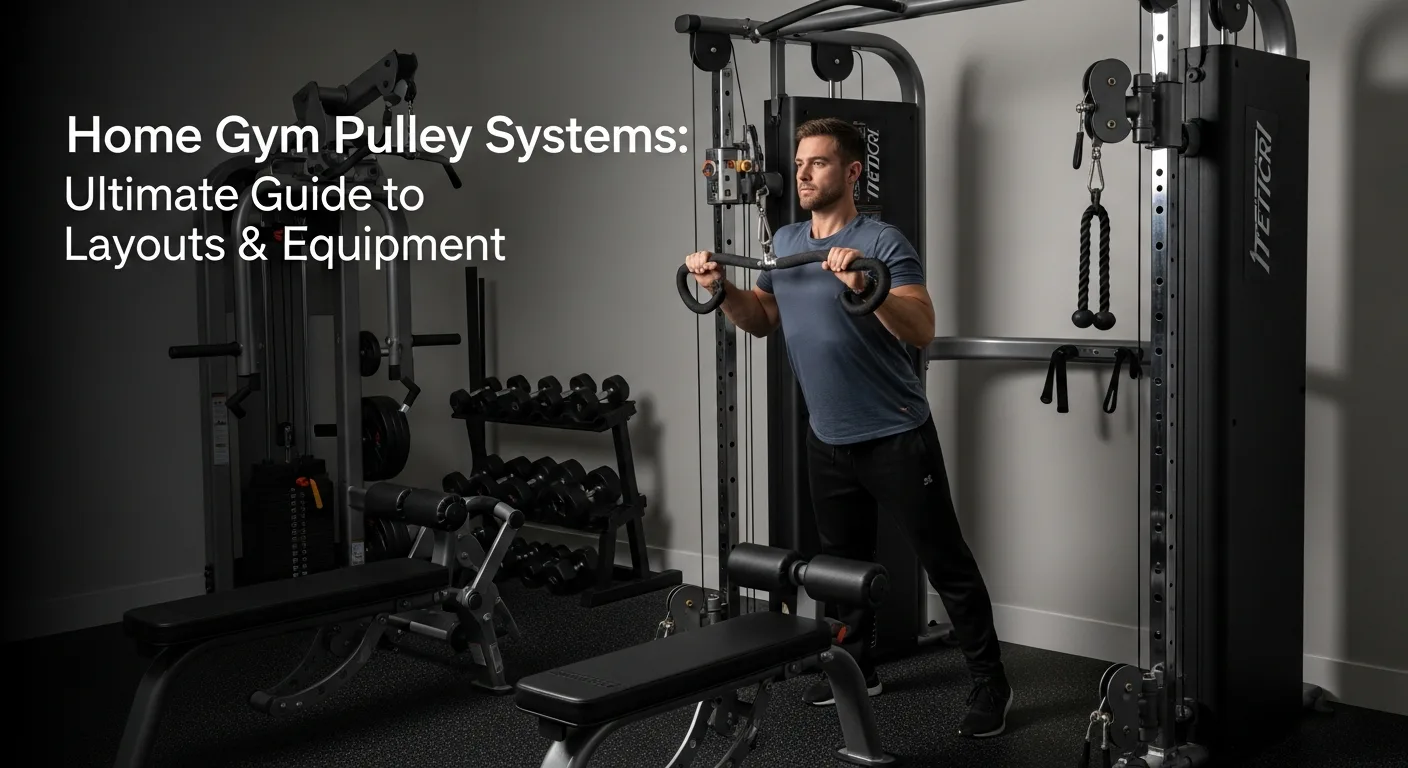
A pulley system for home gym uses cables and weights to create resistance for strength training, mimicking gym machines in a compact form. It typically consists of a cable, pulley wheels, weight stacks or plates, and various attachments like handles or bars. This setup allows for a wide range of exercises, from lat pulldowns to tricep pushdowns, making it a versatile addition to any home fitness space. By incorporating a pulley system, you can target multiple muscle groups without needing bulky equipment, saving space while enhancing workout variety.
Essential Equipment for Your Home Gym
To build an effective home gym, focus on key pieces that complement your pulley system. Start with a barbell at home for compound lifts like squats and deadlifts, which are foundational for strength training. Pair this with leg workout machines for home, such as leg press attachments or resistance bands, to target lower body muscles effectively. Don’t forget accessories like weight plates, benches, and storage solutions to keep your space organized. For more ideas on optimizing your setup, check out our guide on home gym design, which covers mirrors, storage, and layouts to enhance functionality.
- Pulley machine with adjustable height settings
- Barbell and weight plates for heavy lifting
- Leg curl/extension attachment for lower body workouts
- Adjustable bench for varied exercises
- Storage racks to organize equipment
Home Gym Configuration Tips
Configuring your home gym involves planning the layout to ensure safety, accessibility, and efficiency. Measure your space carefully, considering ceiling height and floor type to accommodate equipment like pulley systems and barbells. Position your pulley system in a corner or against a wall to save space, and place heavy items like weight racks near sturdy walls. Ensure there’s enough clearance for movements, especially when using a barbell at home for exercises like overhead presses. For small spaces, explore efficient home plans that offer smart design concepts to maximize every square foot.
- Measure your room dimensions and ceiling height
- Place pulley system in a corner for stability
- Ensure at least 3 feet of clearance around equipment
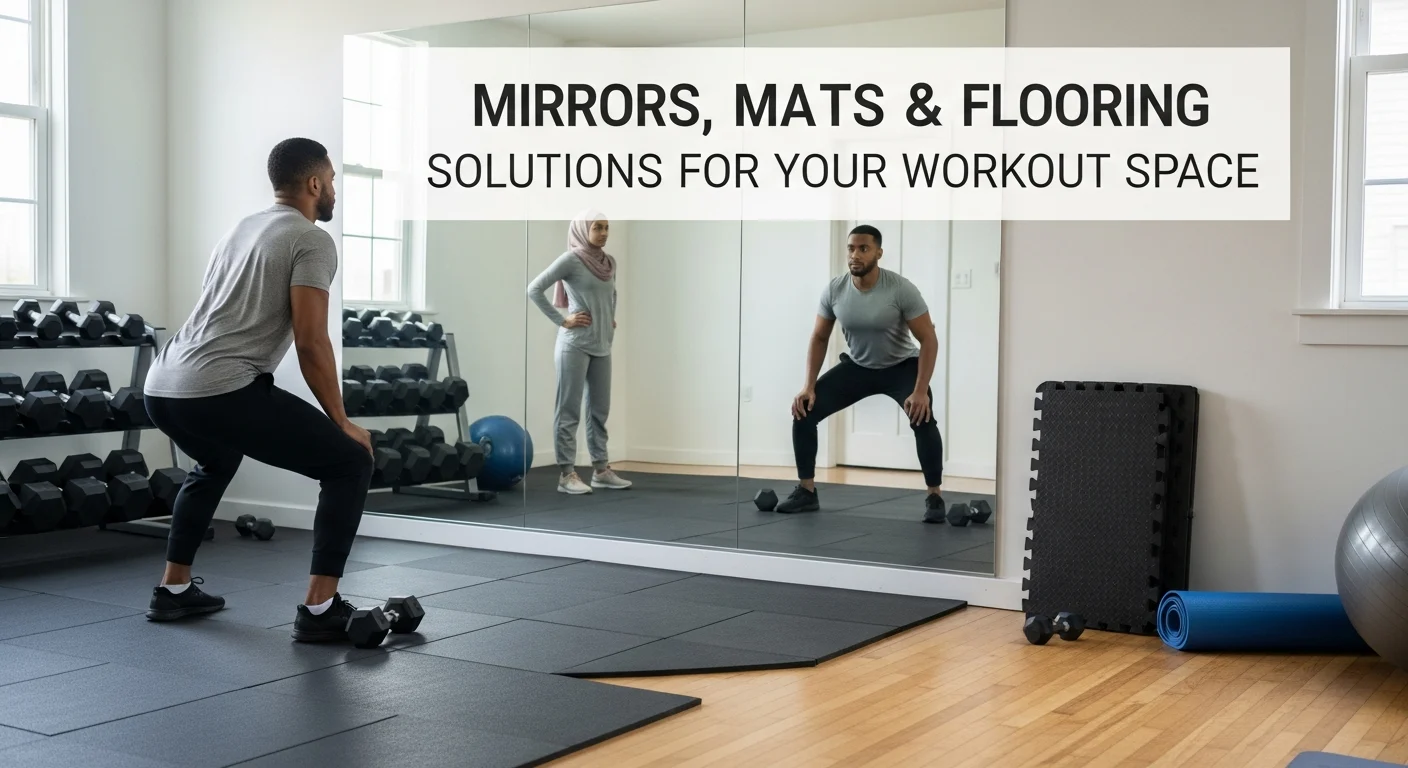
- Use rubber flooring to protect floors and reduce noise
- Install mirrors to check form and enhance lighting
Comparing Pulley System Types
When choosing a pulley system for home gym, consider different types based on your needs and space. Here’s a comparison to help you decide:
| Type | Pros | Cons | Best For |
|---|---|---|---|
| Wall-mounted Pulley | Space-saving, affordable, easy to install | Limited weight capacity, less versatile | Small spaces, beginners |
| Freestanding Cable Machine | High weight capacity, multiple attachments | Bulky, expensive, requires more floor space | Advanced users, dedicated gym rooms |
| Adjustable Pulley Kit | Customizable, portable, fits existing racks | May require additional equipment, setup time | DIY enthusiasts, versatile setups |
Integrating Leg Workout Machines for Home
Leg workout machines for home, such as leg press attachments or squat racks, are crucial for lower body strength. Pair these with your pulley system to create a comprehensive routine. For example, use a leg curl attachment on your pulley for hamstring exercises, or add resistance bands to enhance squats and lunges. This integration allows you to perform compound and isolation moves without cluttering your space. To ensure your home is prepared for such setups, consider fixing foundation cracks to maintain structural integrity, especially when installing heavy equipment.
- Leg press attachment for pulley systems
- Squat rack with safety bars
- Resistance bands for added variety
- Step platforms for cardio and strength exercises
- Foam rollers for recovery and flexibility
Safety and Maintenance Tips
Safety is paramount when using a pulley system for home gym. Regularly inspect cables for wear and tear, and ensure all attachments are securely fastened. Use proper form to avoid injuries, and consider installing safety equipment like spotter arms for barbell exercises. Keep your gym clean and organized to prevent accidents, and check flooring for stability. For broader home safety, refer to our home emergency preparedness guide, which includes lighting and safety checklists to protect your space.
- Inspect cables and pulleys monthly for damage
- Secure weight plates and barbells properly
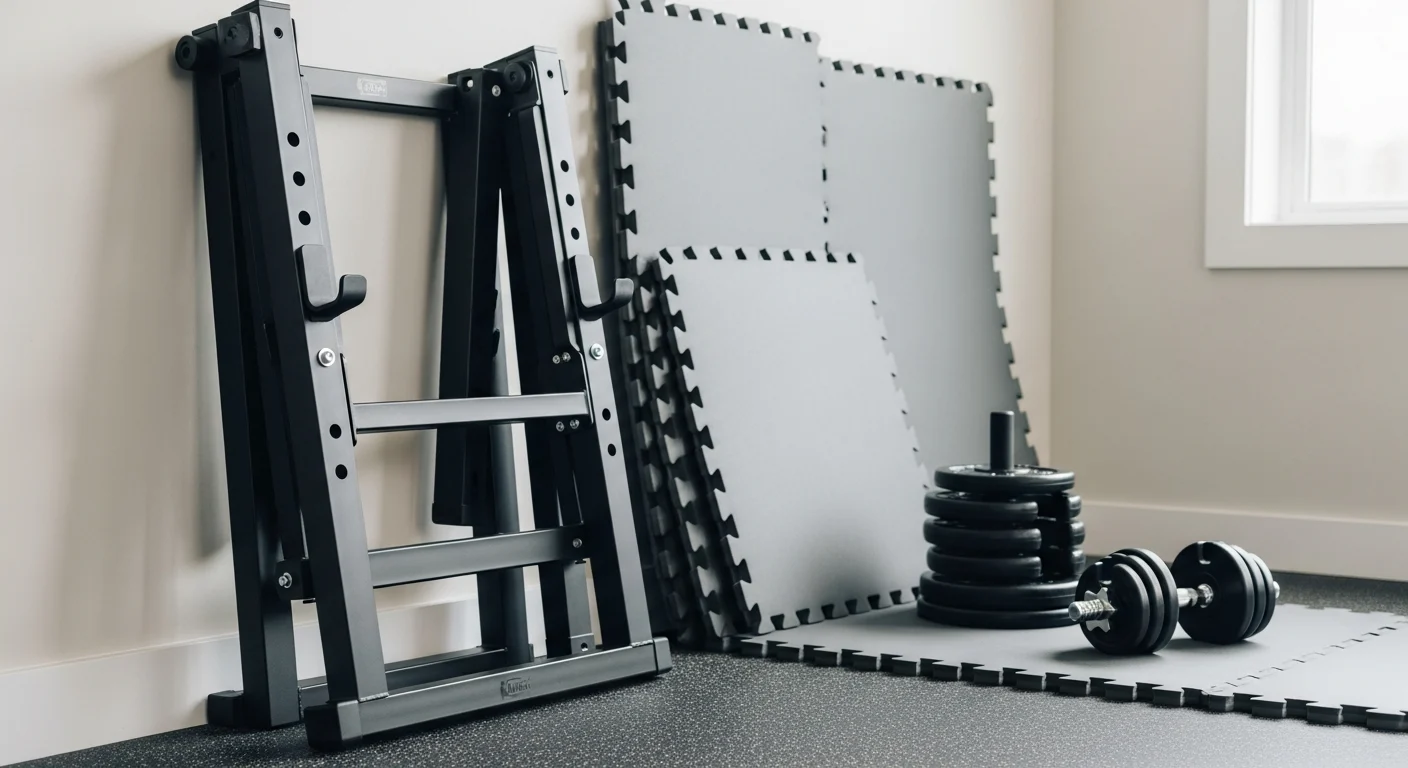
- Use non-slip mats under equipment
- Keep emergency contact numbers nearby
- Schedule regular equipment maintenance
FAQs About Home Gym Pulley Systems
What are the benefits of a pulley system for home gym?
A pulley system offers versatile resistance training, space efficiency, and the ability to target multiple muscle groups, making it ideal for home workouts with limited space.
How much space do I need for a home gym with a pulley system?
You typically need at least 50-100 square feet, depending on the equipment. Corner setups can minimize space usage, as detailed in efficient home plans.
Can I use a barbell at home with a pulley system?
Yes, integrating a barbell with a pulley system allows for compound exercises like rows and curls, enhancing your strength training routine.
What leg workout machines for home work best with pulley systems?
Leg press attachments, resistance bands, and squat racks complement pulley systems well, providing comprehensive lower body workouts.
How do I maintain my pulley system for longevity?
Regularly lubricate pulleys, check cables for fraying, and clean attachments to ensure safe and efficient operation over time.
Are pulley systems safe for beginners?
Yes, with proper instruction and light weights, pulley systems are safe for beginners. Start with basic exercises and focus on form.
What’s the cost of setting up a home gym with a pulley system?
Costs range from $200 for basic kits to over $1000 for advanced setups, depending on equipment quality and accessories.
How can I optimize my home gym configuration for small spaces?
Use wall-mounted pulley systems, foldable equipment, and multi-functional pieces to maximize space, as suggested in tiny home floor plans.