In today’s world, ensuring your home is secure goes beyond locks and alarms—it involves smart strategies for protecting valuables and preparing for potential threats. From finding the safest place to keep car keys at home to exploring sub-lethal home defense options like small shotguns and Sabre devices, this guide covers essential tactics to enhance your safety. Whether you’re a homeowner looking to deter burglars or someone seeking non-lethal alternatives, understanding these key storage and defense methods can provide peace of mind and practical protection. Let’s dive into actionable tips that blend modern security with traditional preparedness.
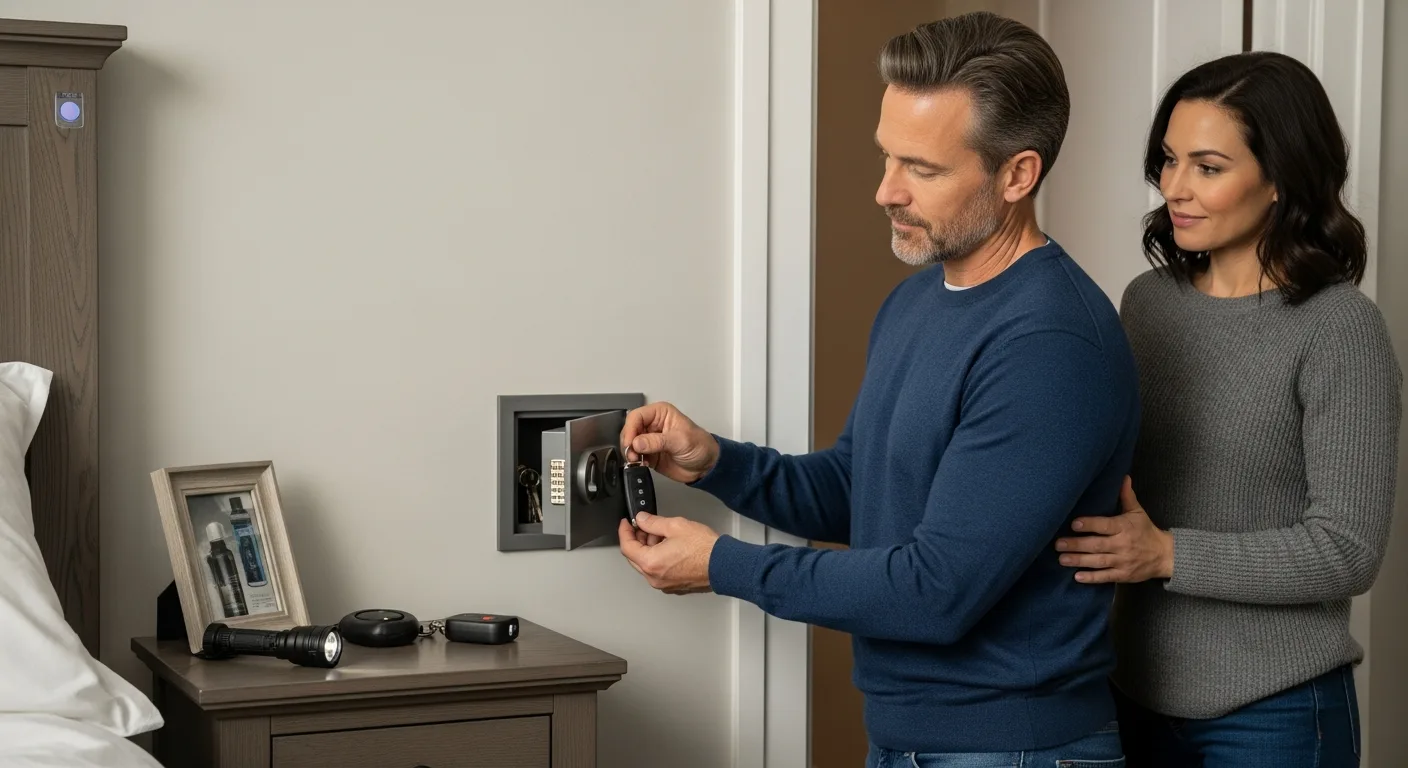
The safest place to keep car keys at home is in a secure, hidden location away from entry points, such as a locked drawer or a dedicated safe, to prevent theft or unauthorized access. Combine this with sub-lethal home defense options like pepper spray or tasers for a layered security approach.
Why Key Storage Matters for Home Defense
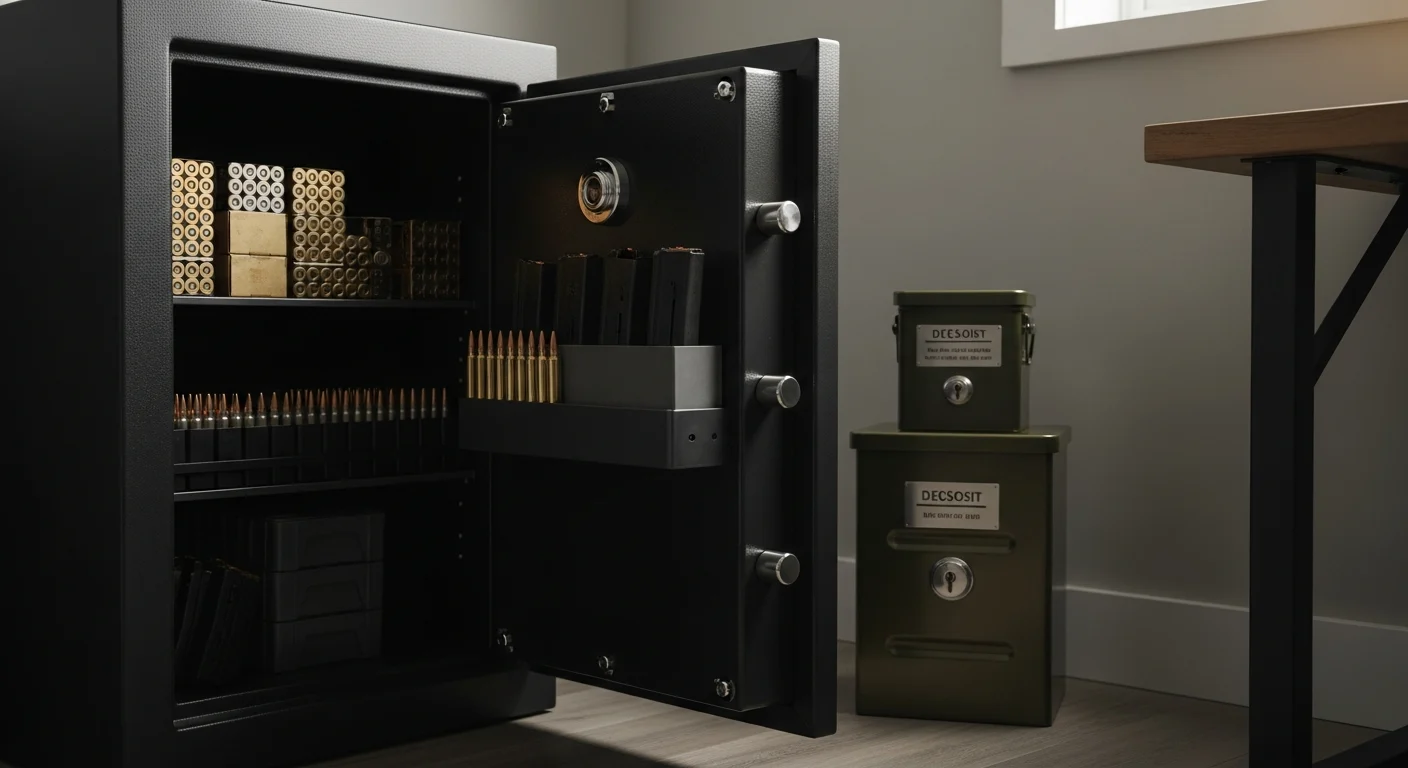
Car keys are often overlooked in home security plans, but they can be a prime target for burglars seeking quick access to vehicles. Storing them improperly can lead to vehicle theft or even home invasions if keys are used to unlock doors. By securing your keys, you reduce the risk of opportunistic crimes and enhance overall safety. Consider integrating this with other security measures, such as those discussed in our guide on secure storage for ammo and safes, to create a comprehensive defense system.
Top Locations to Keep Car Keys Safely at Home
Choosing the right spot for your car keys involves balancing accessibility with security. Here are some recommended locations:
- Locked Drawer or Cabinet: Use a dedicated, lockable storage area away from windows or doors.
- Hidden Safe: Install a small, discreet safe that’s bolted down to prevent removal.
- Bedroom Nightstand: Keep keys within reach during emergencies, but ensure it’s not visible from outside.
- Key Hooks in Secure Areas: Place hooks in closets or mudrooms that aren’t near entry points.
Avoid common mistakes like leaving keys on countertops or near mail slots, as these are easily spotted by intruders. For more tips on organizing and securing items, check out our article on master home maintenance checklists.
Sub-Lethal Home Defense Options Explained
Sub-lethal home defense refers to tools and tactics that can incapacitate threats without causing fatal harm, offering a middle ground between non-lethal and lethal force. These options are ideal for those who want to protect their home without the legal or ethical complexities of firearms. Popular choices include:
- Pepper Spray: Effective for close-range defense, causing temporary blindness and discomfort.
- Tasers or Stun Guns: Deliver an electric shock to disable an attacker momentarily.
- Personal Alarms: Emit loud sounds to deter intruders and alert neighbors.
- Rubber Bullet Guns: Provide impact-based defense with reduced lethality compared to traditional firearms.
When selecting sub-lethal options, consider factors like ease of use, legal restrictions in your area, and training requirements. For insights into state-specific regulations, refer to our guide on North Carolina home defense laws.
Small Shotgun for Home Defense: Pros and Cons
Small shotguns, such as 20-gauge models or compact shotguns, are a popular choice for home defense due to their stopping power and intimidation factor. However, they come with both advantages and drawbacks.
| Pros | Cons |
|---|---|
| High stopping power with less accuracy needed | Loud noise and potential for over-penetration |
| Intimidating presence can deter threats | Requires proper storage to prevent accidents |
| Versatile with various ammunition types | Legal restrictions may apply in some areas |
To use a small shotgun safely, store it in a secure location, such as a quick-access safe, and practice regular maintenance. For more on firearm storage, explore our article on home ammo storage ideas.
Sabre Home Defense: What You Need to Know
Sabre is a well-known brand offering a range of sub-lethal defense products, including pepper sprays, personal alarms, and training kits. Their devices are designed for ease of use and effectiveness in emergency situations. Key features include:
- Compact Design: Easy to carry and conceal in the home.
- High Effectiveness: Tested formulas that provide reliable defense.
- Training Resources: Available guides to ensure proper usage.
When incorporating Sabre products into your home defense plan, place them in strategic locations, such as near entry points or in bedrooms, and ensure all family members know how to use them safely. For additional security tips, read about home cameras without WiFi for offline protection.
Integrating Key Storage with Defense Strategies
A holistic home defense approach combines secure key storage with sub-lethal options to create multiple layers of protection. Follow these steps to integrate effectively:
- Assess Your Home: Identify vulnerable areas like doors and windows where keys might be accessible.
- Choose Storage Spots: Select hidden, secure locations for car keys, as outlined earlier.
- Deploy Defense Tools: Place sub-lethal devices, such as pepper spray or alarms, in accessible but discreet spots.
- Practice Drills: Conduct regular safety drills with family members to ensure everyone knows what to do in an emergency.
- Review and Update: Periodically reassess your strategy based on new threats or changes in your home layout.
By linking key security with defense tools, you enhance both prevention and response capabilities. For more on home safety planning, check out our guide on home addition estimators and timelines to consider security during renovations.
FAQs: Home Defense Strategies
What is the safest place to keep car keys at home to prevent theft?
The safest place is a locked drawer, hidden safe, or secure cabinet away from entry points, ensuring they are not visible or easily accessible to intruders.
Are sub-lethal home defense options legal in all states?
No, laws vary by state; for example, some areas restrict pepper spray or tasers. Always check local regulations, as detailed in resources like state-specific defense laws.
What are the benefits of using a small shotgun for home defense?
Small shotguns offer high stopping power and can deter threats with less need for precise aiming, but they require careful storage and may have legal limitations.
How effective are Sabre home defense products?
Sabre products are highly effective when used correctly, with tested formulas and compact designs ideal for quick response in emergencies.
Can I combine key storage with other security measures?
Yes, integrating secure key storage with sub-lethal tools, alarms, and cameras creates a layered defense system for comprehensive protection.
What should I avoid when storing car keys at home?
Avoid leaving keys on countertops, near doors or windows, or in obvious spots like key hooks in plain sight, as these increase theft risk.
How often should I review my home defense strategy?
Review your strategy at least annually or whenever there are changes to your home, family, or local crime trends to ensure it remains effective.