In the world of home health care, professionalism isn’t just about skills—it’s about meticulous organization, infection control, and client trust. The home care bag technique is a cornerstone of this, ensuring aides deliver safe, efficient care while maintaining hygiene standards. Whether you’re a new home health aide or a seasoned professional, mastering your duties and tools is key to success. This guide covers everything from the essential home health aide duties checklist to the practical use of home health nursing bags and the importance of home care business cards in building credibility.
The home care bag technique involves organizing and using a dedicated bag to carry supplies, ensuring infection control by separating clean and contaminated items, and following a step-by-step process to set up and clean up at each client visit. Key duties include personal care, medication reminders, and documentation, all supported by professional tools like nursing bags and business cards.
What Is the Home Care Bag Technique?
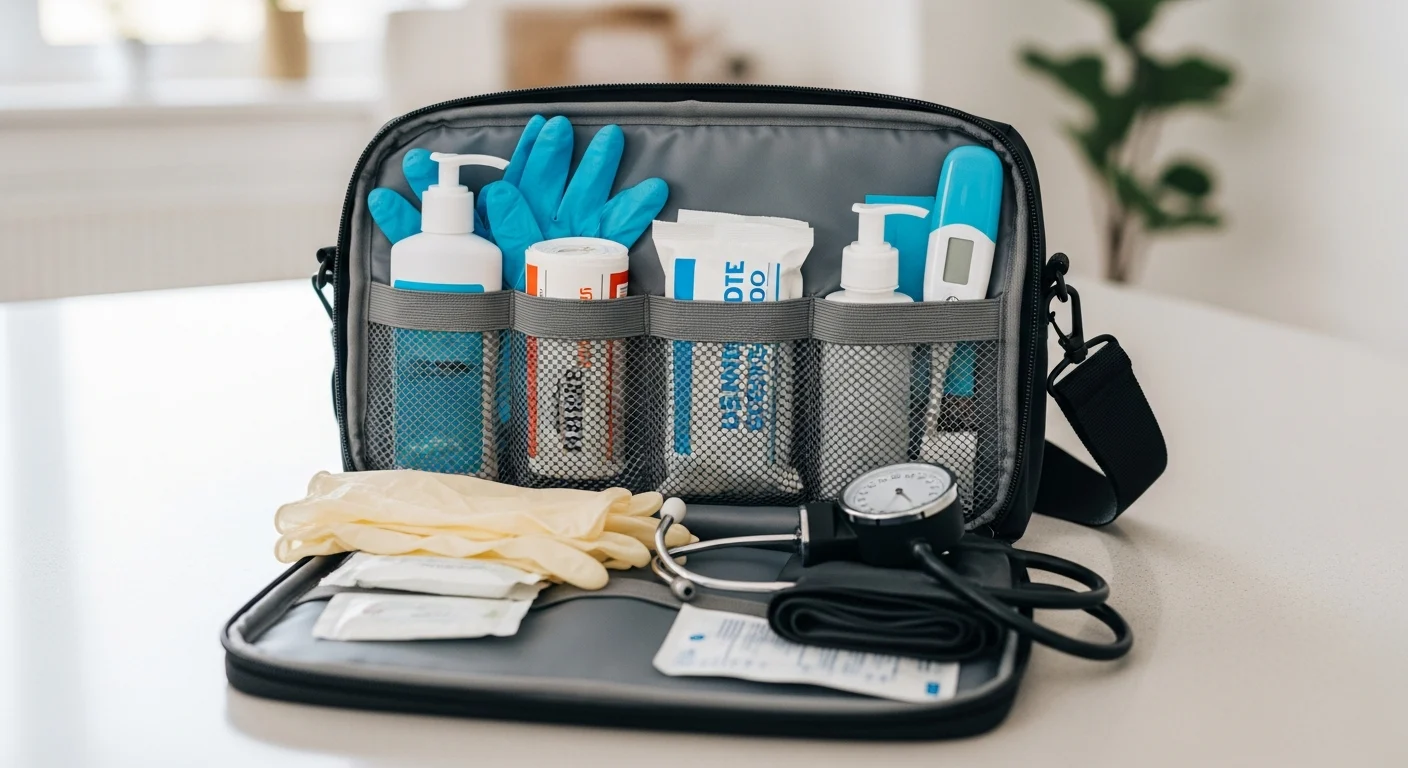
The home care bag technique is a systematic method used by home health aides and nurses to manage supplies, prevent cross-contamination, and maintain efficiency during client visits. It revolves around a dedicated bag—often called a home health nursing bag—that holds all necessary items, organized to minimize infection risks. This technique is crucial because home environments vary widely, and proper hygiene protects both clients and caregivers. By following a consistent process, aides can reduce errors and enhance client safety. For more on health-related home practices, see our guide on emergency dental pain relief.
Essential Home Health Aide Duties Checklist
Home health aides perform a wide range of tasks to support clients’ daily living and health needs. A comprehensive duties checklist ensures nothing is overlooked and care is delivered consistently. Here’s a breakdown of key responsibilities:
- Personal Care: Assist with bathing, grooming, and dressing to promote hygiene and dignity.
- Mobility Support: Help with transfers, walking, and exercises to prevent falls and maintain strength.
- Medication Management: Remind clients to take medications as prescribed, without administering them directly.
- Meal Preparation: Plan and prepare nutritious meals, considering dietary restrictions and preferences.
- Household Tasks: Perform light cleaning, laundry, and errands to maintain a safe living environment.
- Documentation: Record care provided, client condition, and any changes for the care team.
- Emotional Support: Offer companionship and listen to clients’ concerns to improve mental well-being.
This checklist aligns with professional standards and helps aides prioritize tasks during visits. For those dealing with pet care, similar structured approaches can be found in our home remedies for cat eye infection guide.
Step-by-Step Guide to the Bag Technique
Implementing the home care bag technique involves careful planning and execution. Follow these steps to ensure professionalism and safety:
- Prepare Your Bag: Use a durable, washable home health nursing bag with multiple compartments. Stock it with clean supplies like gloves, gowns, disinfectants, and personal care items.
- Set Up at the Client’s Home: Place the bag on a clean, dry surface away from contaminants. Lay out a disposable barrier (e.g., a plastic sheet) to create a clean work area.
- Organize Supplies: Separate clean and contaminated items within the bag. Use labeled pouches or zones to avoid mix-ups during care.
- Perform Care Tasks: Follow your duties checklist, using supplies as needed. Dispose of used items in a designated waste bag inside your nursing bag.
- Clean and Disinfect: After care, wipe down reusable items and the bag’s exterior with disinfectant. Wash your hands thoroughly before repacking.
- Document and Restock: Note any supplies used and restock your bag before the next visit to ensure readiness.
This process minimizes infection risks and streamlines care delivery. For more on maintaining hygiene in home settings, check out our types of mites in homes article.
Tools for Professional Home Care
Beyond the bag technique, certain tools enhance professionalism and efficiency in home care. Here are key items every aide should consider:
- Home Health Nursing Bags: Choose bags with waterproof linings, multiple pockets, and sturdy handles. Options include backpacks for mobility or totes for easy access.
- Home Care Business Cards: These build credibility and provide contact information for clients and referrals. Include your name, agency, and services offered.
- Digital Apps: Use scheduling and documentation apps to track visits and client notes electronically.
- Personal Protective Equipment (PPE): Stock gloves, masks, and gowns to comply with safety protocols.
Investing in quality tools supports a professional image and improves care outcomes. For insights into home business essentials, explore our home business ideas resource.
Comparing Home Care Bag Types
Selecting the right bag is crucial for the bag technique. Here’s a comparison of common home health nursing bags:
| Bag Type | Pros | Cons | Best For |
|---|---|---|---|
| Backpack | Hands-free, distributes weight evenly, good for mobility | May be harder to organize, limited space | Aides who walk or use public transport |
| Tote Bag | Easy access, spacious, often washable | Can strain shoulders, less secure | Driving aides with multiple clients |
| Rolling Bag | Reduces physical strain, large capacity | Bulky, not suitable for stairs | Aides with heavy equipment or long shifts |
| Insulated Bag | Keeps supplies at safe temperatures, durable | Heavier, more expensive | Medication or sample transport |
Choose based on your specific needs to enhance the bag technique’s effectiveness.
Tips for Maintaining Professionalism
Professionalism in home care extends beyond duties and bags. Here are actionable tips to excel in your role:
- Communicate Clearly: Update clients and families on care plans and any changes. Use active listening to address concerns.
- Stay Organized: Keep your bag and schedule well-managed to avoid delays or mistakes.
- Follow Protocols: Adhere to infection control guidelines and agency policies to ensure safety.
- Continue Learning: Attend training sessions on topics like dementia care or emergency response.
- Build Relationships: Show empathy and respect to foster trust with clients.
These practices complement the bag technique and aide duties. For more on home safety, refer to our how do you test air quality in your home guide.
Frequently Asked Questions
What should I include in my home care bag?
Essential items include gloves, disinfectant wipes, hand sanitizer, a blood pressure cuff, thermometer, notepad, pens, and personal care supplies like soap and lotion. Tailor contents based on client needs, such as diabetic testing supplies or wound care kits.
How often should I clean my home health nursing bag?
Clean the bag’s exterior after each visit with disinfectant, and do a deep clean weekly by washing removable liners or wiping down all surfaces. This prevents germ buildup and maintains hygiene standards.
Can I use a regular backpack for home care?
Yes, but ensure it’s washable, has compartments for organization, and is dedicated solely to care supplies to avoid cross-contamination. A purpose-built home health nursing bag is often more durable and functional.
What are the key duties on a home health aide checklist?
Key duties include assisting with activities of daily living (e.g., bathing, dressing), meal preparation, medication reminders, light housekeeping, and documenting care. Always follow your agency’s specific checklist.
Why are home care business cards important?
They provide a professional touch, making it easy for clients and referrals to contact you. Cards can include your credentials, services, and agency details, enhancing credibility in the community.
How does the bag technique prevent infections?
By separating clean and contaminated items, using disinfectants, and following a set-up and clean-up process, the technique minimizes the spread of pathogens between clients and environments.
What training is needed for home health aide duties?
Most states require certification through a training program covering personal care, safety, communication, and basic medical tasks. Ongoing education in areas like infection control is also beneficial.
Frequently Asked Questions
What should I include in my home care bag?
Essential items include gloves, disinfectant wipes, hand sanitizer, a blood pressure cuff, thermometer, notepad, pens, and personal care supplies like soap and lotion. Tailor contents based on client needs, such as diabetic testing supplies or wound care kits.
How often should I clean my home health nursing bag?
Clean the bag’s exterior after each visit with disinfectant, and do a deep clean weekly by washing removable liners or wiping down all surfaces. This prevents germ buildup and maintains hygiene standards.
Can I use a regular backpack for home care?
Yes, but ensure it’s washable, has compartments for organization, and is dedicated solely to care supplies to avoid cross-contamination. A purpose-built home health nursing bag is often more durable and functional.
What are the key duties on a home health aide checklist?
Key duties include assisting with activities of daily living (e.g., bathing, dressing), meal preparation, medication reminders, light housekeeping, and documenting care. Always follow your agency’s specific checklist.
Why are home care business cards important?
They provide a professional touch, making it easy for clients and referrals to contact you. Cards can include your credentials, services, and agency details, enhancing credibility in the community.
How does the bag technique prevent infections?
By separating clean and contaminated items, using disinfectants, and following a set-up and clean-up process, the technique minimizes the spread of pathogens between clients and environments.
What training is needed for home health aide duties?
Most states require certification through a training program covering personal care, safety, communication, and basic medical tasks. Ongoing education in areas like infection control is also beneficial.