When your home air conditioner starts leaking water or the coils freeze up, it’s more than just an inconvenience—it’s a sign that something’s wrong with your cooling system. These issues can lead to water damage, reduced efficiency, and even costly repairs if left unchecked. Understanding the common causes and solutions can help you restore comfort quickly and avoid bigger problems down the line. In this guide, we’ll walk you through practical steps to diagnose and fix these frustrating AC problems, from simple DIY checks to when it’s time to call in a pro.
To fix a home air conditioner leaking water, first check for a clogged drain line, which is the most common cause. Clear it with a wet/dry vacuum or a plumber’s snake. If the coils are freezing up, turn off the AC to let them thaw, then clean the evaporator coil and replace dirty air filters to improve airflow. Regular maintenance, like cleaning the drain line and changing filters monthly, can prevent both issues.
Common Causes of Home AC Water Leaks
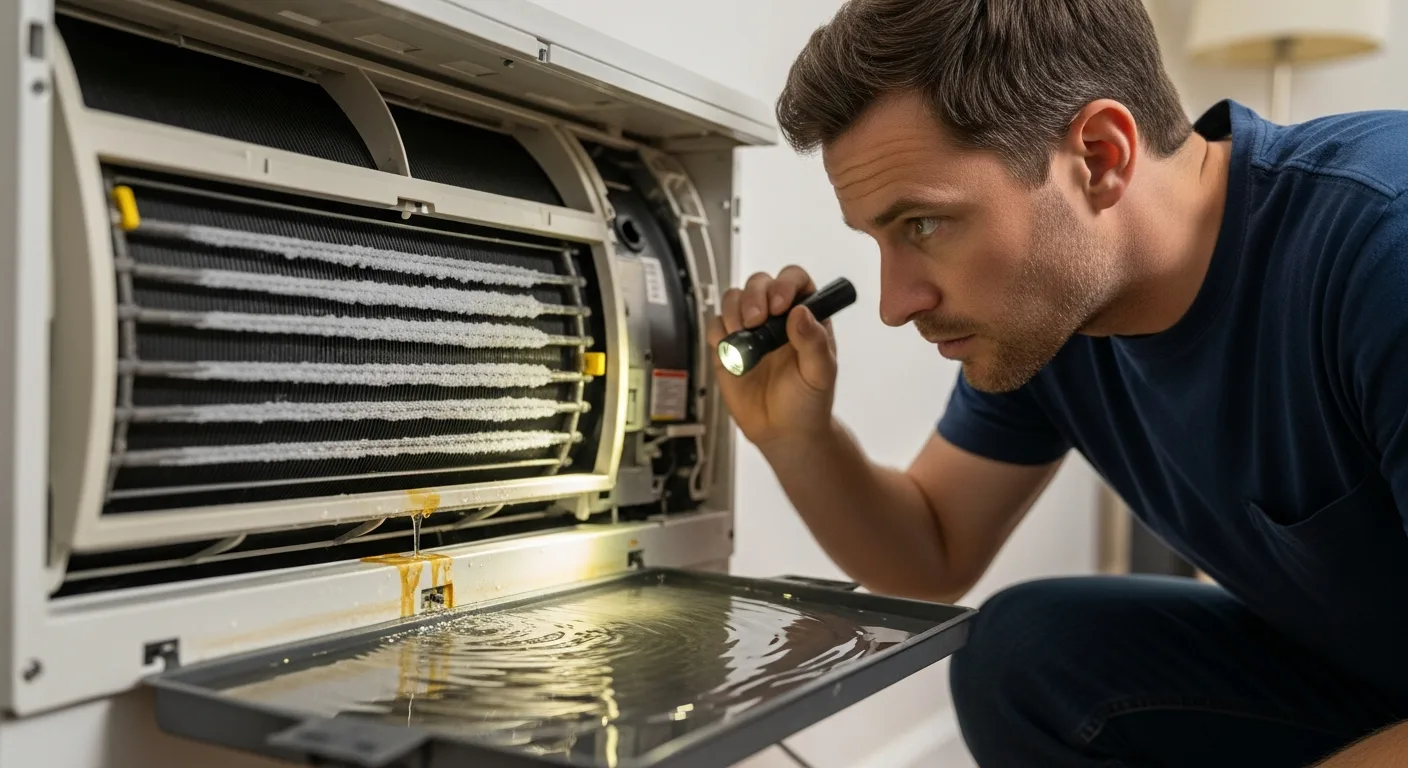
A home air conditioner leaking water often stems from condensation buildup that isn’t draining properly. As your AC cools warm air, moisture condenses on the evaporator coil and should flow into a drain pan and out through a drain line. When this process gets blocked, water can overflow and leak into your home. Key culprits include:
- Clogged Drain Line: Dirt, algae, or mold can block the PVC pipe that carries water away, causing backups.
- Dirty Air Filters: Restricted airflow makes the evaporator coil too cold, leading to excess condensation and potential freezing.
- Damaged Drain Pan: Cracks or rust in the pan can let water escape instead of directing it to the drain.
- Low Refrigerant Levels: This can cause the coil to freeze, and when it thaws, it produces more water than the system can handle.
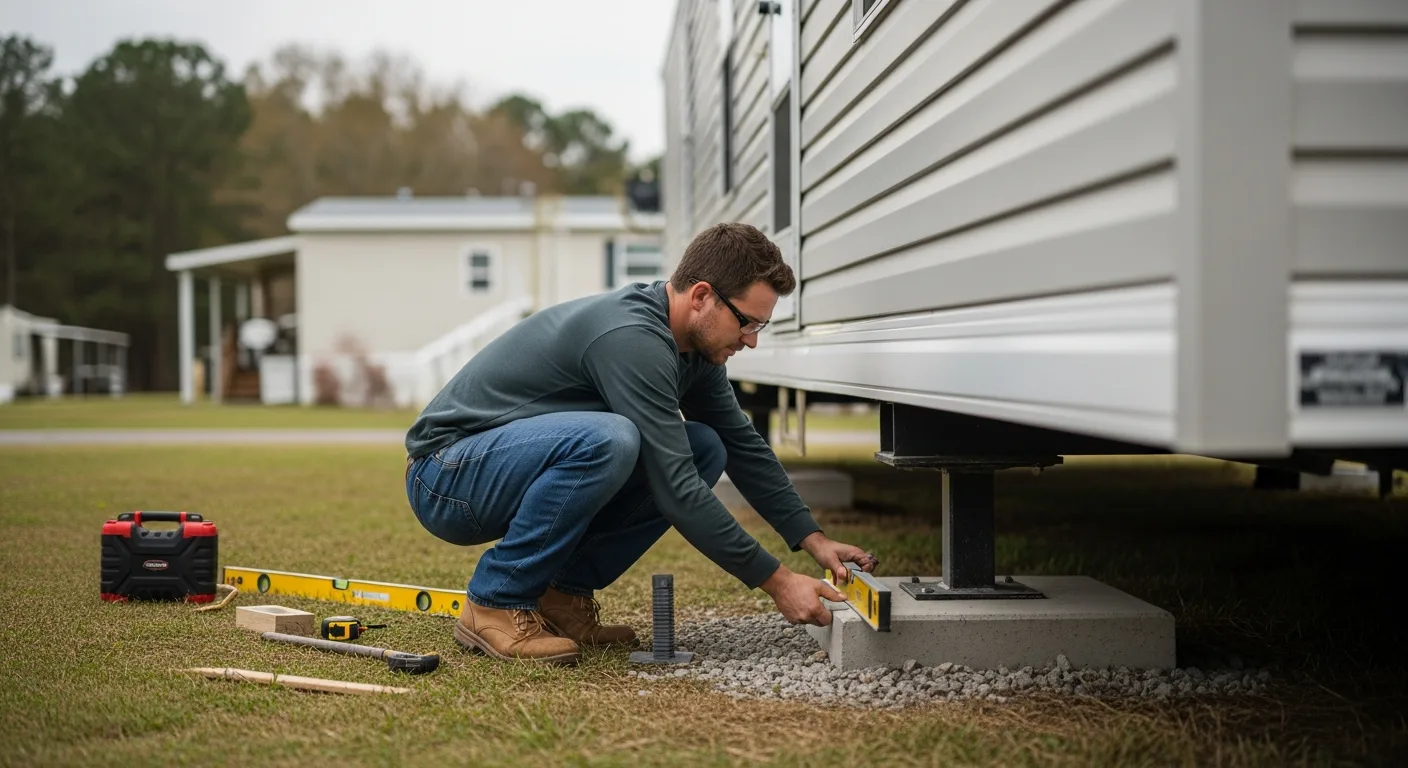
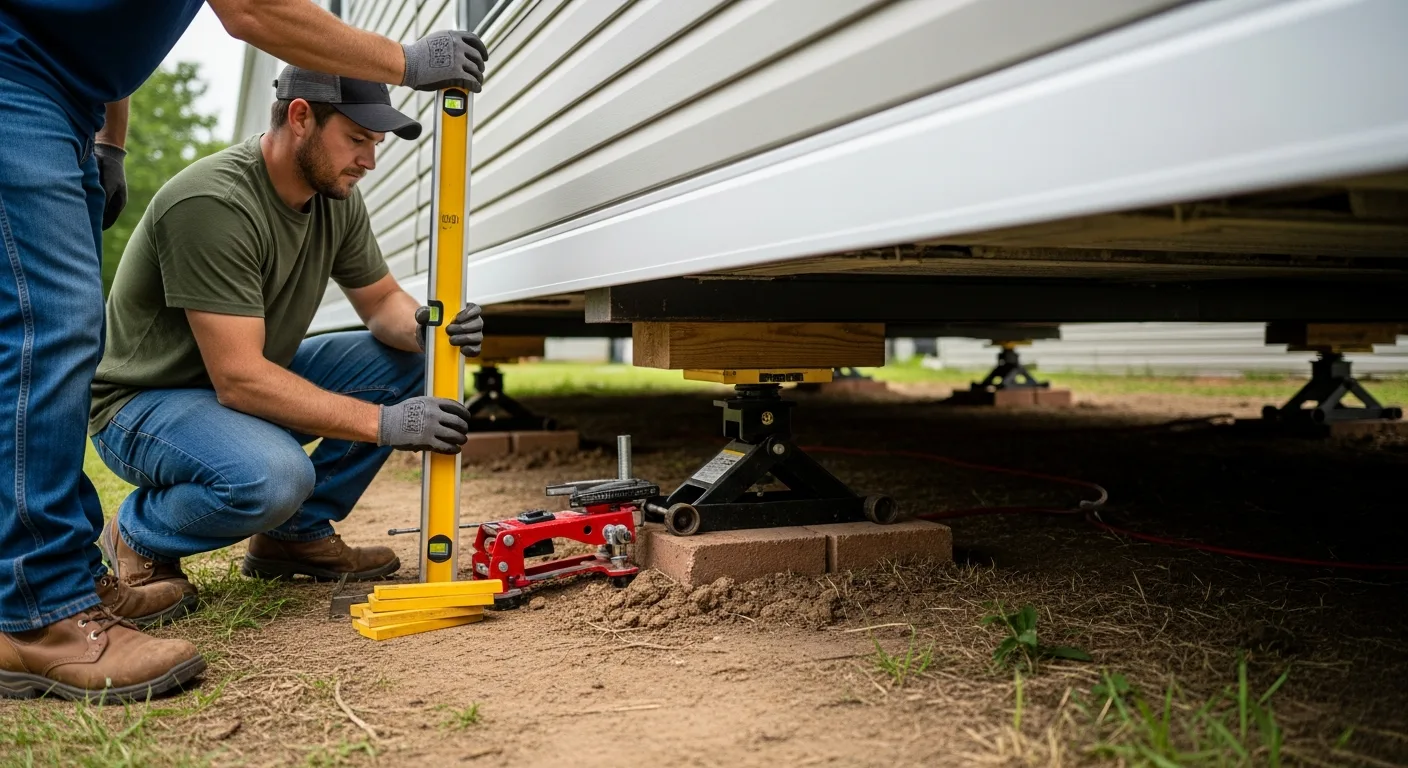
- Improper Installation: If the AC unit isn’t level, water might not drain correctly, leading to leaks.
For a deeper dive into AC components and how they work, check out our guide on understanding home HVAC systems.
Step-by-Step Guide to Fixing Water Leaks
If you notice water pooling around your AC unit, don’t panic. Follow these steps to identify and resolve the issue safely. Always turn off the power to the AC before starting any repairs to avoid electrical hazards.
- Inspect the Drain Line: Locate the PVC drain pipe near your indoor unit. If it’s clogged, use a wet/dry vacuum to suction out debris or a plumber’s snake to clear it.
- Check the Drain Pan: Look for cracks or rust. If damaged, replace the pan to prevent future leaks.
- Clean the Air Filter: A dirty filter restricts airflow, so replace or clean it monthly to ensure proper condensation drainage.
- Examine the Evaporator Coil: If it’s dirty, gently clean it with a soft brush and coil cleaner to improve efficiency and reduce freezing risk.
- Verify Refrigerant Levels: Low refrigerant can cause freezing and leaks. This requires a professional, as handling refrigerant needs certification.
Regular maintenance is key to avoiding these problems. For more tips on handling AC issues, see our article on home AC troubleshooting for leaks and fans.
Why Home AC Coils Freeze Up and How to Thaw Them
When your home AC freezing up occurs, it’s often due to poor airflow or refrigerant issues. The evaporator coil gets too cold, causing ice to form, which can block airflow and reduce cooling performance. Here’s what to do:
- Turn Off the AC: Immediately switch off the system to let the ice melt naturally. Don’t try to chip it off, as this can damage the coils.
- Check Airflow: Ensure vents are open and unobstructed. Dirty filters or blocked ducts are common causes.
- Clean the Coil: After thawing, clean the evaporator coil to remove dirt that can insulate it and cause refreezing.
- Inspect Refrigerant: Low levels often lead to freezing. A professional can recharge the system if needed.
- Monitor Thermostat Settings: Setting the thermostat too low can strain the system, especially in humid conditions.
For advanced inspection techniques, learn about thermal camera home inspections that can detect hidden issues.
Preventive Maintenance to Avoid Future Problems
Preventing water leaks and freezing coils saves you from emergency repairs and extends your AC’s lifespan. Incorporate these tasks into your routine:
- Monthly Filter Changes: Replace or clean air filters every 1-3 months to maintain airflow.
- Quarterly Drain Line Cleaning: Pour a cup of vinegar down the drain line to prevent algae buildup.
- Annual Professional Tune-Up: Have a technician check refrigerant levels, coil condition, and overall system health.
- Keep Vents Clear: Ensure furniture or curtains aren’t blocking air returns and registers.
- Monitor Humidity: Use a dehumidifier in damp areas to reduce condensation strain on the AC.
Proper maintenance also involves checking other home systems. For example, ensuring good ventilation can help, as detailed in our guide on whole home humidifier installation and ventilation.
When to Call a Professional
While many AC issues are DIY-friendly, some require expert help. Contact a licensed HVAC technician if you encounter:
- Persistent Freezing: If coils refreeze after cleaning and filter changes, it may indicate a refrigerant leak or compressor issue.
- Major Water Damage: Leaks that cause mold or structural damage need professional assessment and repair.
- Electrical Problems: Any signs of wiring issues, like tripped breakers or burning smells, should be handled by a pro.
- Complex Repairs: Tasks like recharging refrigerant or replacing major components require specialized tools and knowledge.
For those in Arkansas looking to enter the field, our article on how to become a home inspector in Arkansas offers insights into related careers.
Comparing Common AC Issues and Solutions
| Issue | Primary Cause | DIY Fix | When to Call a Pro |
|---|---|---|---|
| Water Leaks | Clogged drain line | Clear with vacuum or snake | If pan is damaged or leak persists |
| Freezing Coils | Dirty air filter | Replace filter and thaw coils | If refrigerant is low or refreezing occurs |
| Reduced Cooling | Blocked vents | Clear obstructions | If compressor or fan is faulty |
| Strange Noises | Loose parts | Tighten accessible screws | For motor or refrigerant issues |
Frequently Asked Questions
Why is my home air conditioner leaking water inside?
This usually happens due to a clogged drain line, which prevents condensation from draining properly. Other causes include a damaged drain pan, dirty air filters restricting airflow, or low refrigerant levels causing the coil to freeze and then thaw excessively. Regular maintenance can prevent most leaks.
How do I clean a clogged AC drain line at home?
First, turn off the AC power. Locate the PVC drain pipe near the indoor unit and use a wet/dry vacuum to suction out debris. Alternatively, pour a cup of vinegar down the line to dissolve algae, then flush with water. For stubborn clogs, a plumber’s snake can help clear the blockage.
What should I do if my home AC coils are frozen?
Turn off the AC immediately to let the ice melt naturally. Check and replace dirty air filters, and ensure vents are open to improve airflow. Once thawed, clean the evaporator coil gently. If the problem recurs, it might be due to low refrigerant, which requires a professional to fix.
Can a dirty air filter cause my AC to freeze up?
Yes, a dirty air filter restricts airflow over the evaporator coil, making it too cold and causing ice to form. This is a common reason for home AC freezing up. Replace or clean your filters every 1-3 months to prevent this issue and maintain efficiency.
How often should I clean my home AC evaporator coil?
It’s recommended to clean the evaporator coil at least once a year, ideally during a professional tune-up. If you live in a dusty area or have pets, you might need to clean it more frequently. A clean coil improves cooling performance and reduces the risk of freezing and leaks.
Is it safe to run my AC if it’s leaking water?
No, you should turn off the AC if you notice a water leak. Running it can cause water damage to your home, promote mold growth, and potentially lead to electrical hazards. Address the leak by checking the drain line and filter before resuming use.
What are the signs of low refrigerant in my AC?
Signs include reduced cooling, ice on the evaporator coil, hissing noises from the refrigerant lines, and higher energy bills. Low refrigerant often requires a professional repair, as it may indicate a leak that needs to be sealed and the system recharged.
How can I prevent my home AC from leaking water in the future?
Regular maintenance is key: clean or replace air filters monthly, pour vinegar down the drain line quarterly to prevent clogs, and schedule annual professional inspections. Also, ensure the AC unit is level for proper drainage and keep the area around it clean.