When your pet faces a sudden health crisis like mange, eye infections, or diarrhea, knowing how to respond at home can be a lifesaver. These common emergencies often strike without warning, leaving pet owners scrambling for solutions. From the intense itching of sarcoptic mange in dogs to the discomfort of a stray kitten’s eye infection or the messy urgency of diarrhea, home care can provide immediate relief while you prepare for a vet visit. This guide dives into practical, vet-approved methods to manage these conditions safely, using items you likely have on hand. Whether you’re dealing with a new rescue or a long-time furry friend, understanding these basics empowers you to act quickly and confidently, ensuring your pet’s comfort and health in those critical first hours.
For sarcoptic mange in dogs, start with an oatmeal bath and diluted apple cider vinegar spray to soothe itching and kill mites. For stray kitten eye infections, use a warm saline solution or diluted vinegar rinse to clean discharge. For dog diarrhea, offer a bland diet of boiled chicken and rice, and ensure hydration with electrolyte solutions. Always consult a vet for severe cases.
Sarcoptic Mange in Dogs: Home Treatment Guide
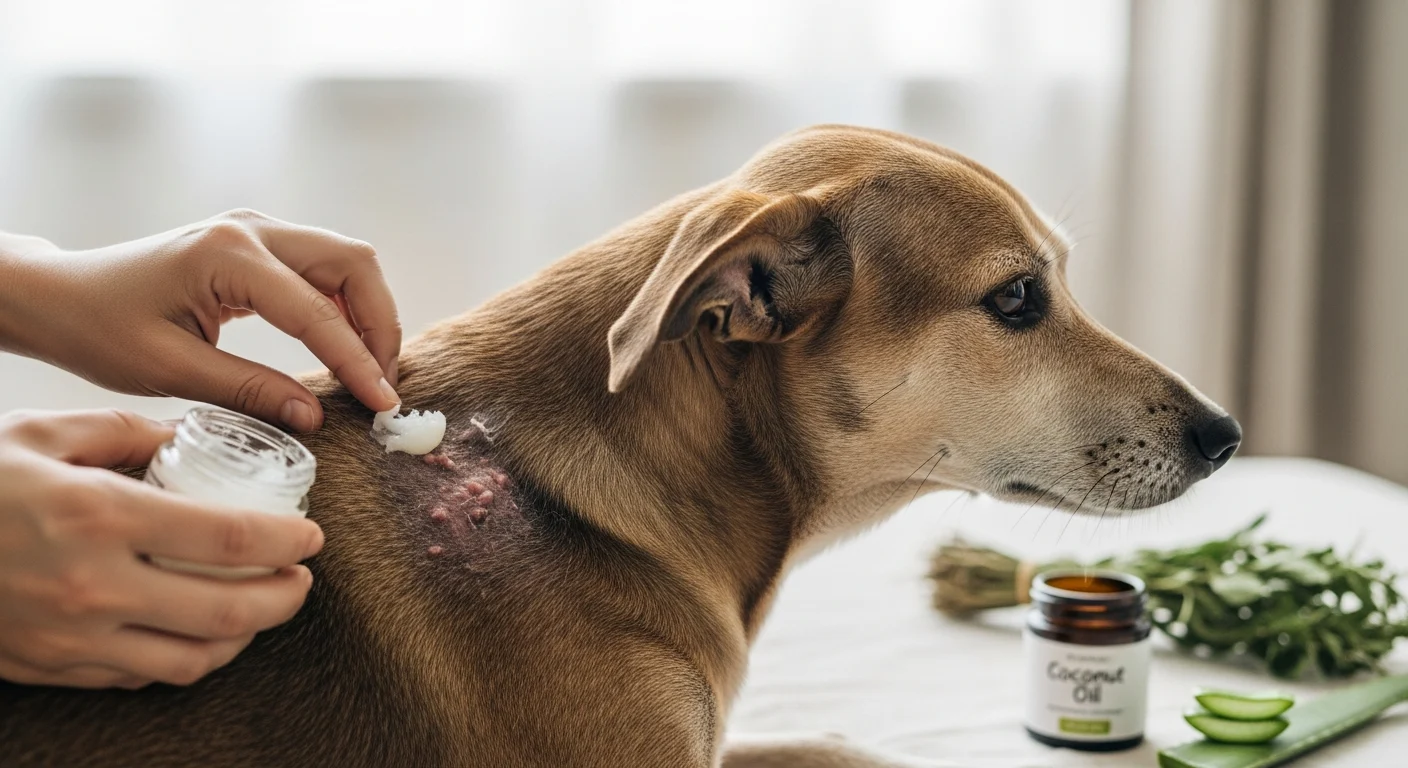
Sarcoptic mange, caused by microscopic mites that burrow into the skin, leads to severe itching, hair loss, and red sores. While veterinary care is essential for diagnosis and prescription medications, home treatments can alleviate symptoms and support recovery. Begin by isolating the infected dog to prevent spread to other pets, as sarcoptic mange is highly contagious. Clean bedding and toys thoroughly with hot water and pet-safe disinfectants. For immediate relief, an oatmeal bath can calm inflamed skin—simply grind plain oatmeal into a powder, mix with warm water, and apply during a bath, letting it sit for 10 minutes before rinsing. Apple cider vinegar, diluted with equal parts water, can be sprayed on affected areas to create an acidic environment that mites dislike; however, avoid open wounds as it may sting. Regularly brushing your dog with a fine-toothed comb can help remove mites and debris. Monitor for signs of secondary infections, such as pus or increased swelling, which require prompt vet attention. For more on managing canine skin issues, explore our canine skin health guide.
- Isolate the dog to prevent contagion.
- Use oatmeal baths to soothe itching and inflammation.
- Apply diluted apple cider vinegar spray to affected skin areas.
- Clean bedding and toys with hot water and disinfectants.
- Brush regularly with a fine-toothed comb to remove mites.
Stray Kitten Eye Infection Home Remedy with Vinegar
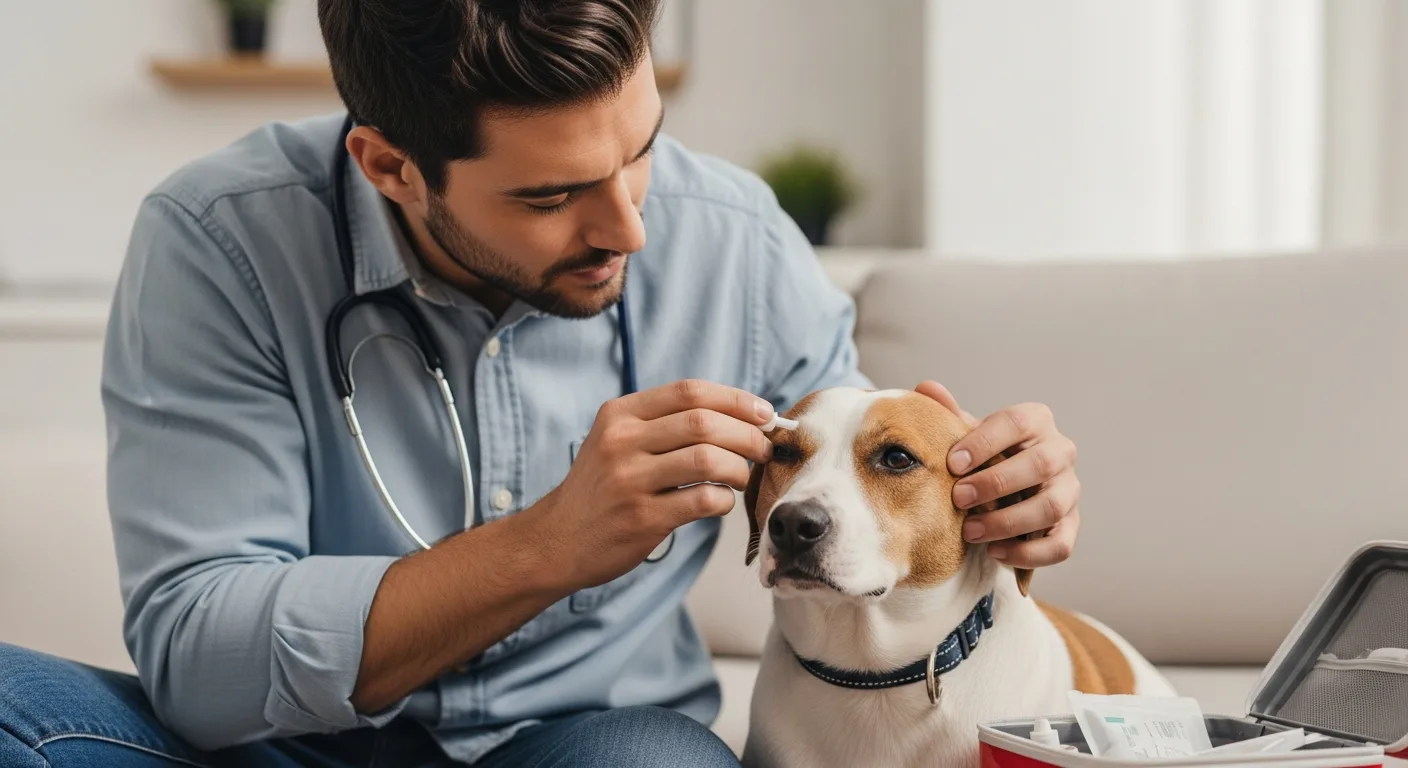
Eye infections in stray kittens, often due to bacteria or viruses, present as redness, discharge, and swelling. Vinegar, particularly apple cider vinegar, can be a gentle home remedy due to its antibacterial properties, but it must be used cautiously to avoid irritation. For a safe vinegar rinse, mix one teaspoon of raw, unfiltered apple cider vinegar with one cup of distilled water. Using a clean cotton ball or soft cloth, gently wipe away discharge from the kitten’s eyes, moving from the inner corner outward to prevent spreading infection. Do this 2-3 times daily, but discontinue if you notice increased redness or discomfort. Alternatively, a saline solution—made by dissolving 1/4 teaspoon of salt in one cup of boiled, cooled water—can be used for cleaning without vinegar. Ensure the kitten stays hydrated and in a clean environment to support healing. If symptoms persist beyond 24 hours or worsen, seek veterinary care, as eye infections can lead to vision loss. For broader pet health tips, check out our pet health solutions for eye and skin issues.
- Prepare a diluted vinegar solution: 1 tsp apple cider vinegar to 1 cup water.
- Gently clean eye discharge with a cotton ball, wiping outward.
- Use saline solution as an alternative if vinegar causes irritation.
- Repeat cleaning 2-3 times daily, monitoring for improvement.
- Consult a vet if no improvement within 24 hours or if symptoms escalate.
What Can I Give My Dog for Diarrhea at Home?
Diarrhea in dogs can result from dietary indiscretion, stress, or infections, and home management focuses on rehydration and bland nutrition. Start by withholding food for 12-24 hours to let the digestive system rest, but ensure access to fresh water to prevent dehydration. After fasting, introduce a bland diet: boiled white meat chicken (no skin or bones) mixed with plain white rice in a 1:2 ratio, fed in small portions every 3-4 hours. Pumpkin puree (not pie filling) is rich in fiber and can help firm stools—add a tablespoon to meals. Electrolyte solutions, like unflavored pediatric electrolyte drinks or homemade versions with water, salt, and sugar, can replenish lost minerals. Avoid over-the-counter human medications unless advised by a vet, as some can be toxic to dogs. Monitor your dog’s condition; if diarrhea persists beyond 48 hours, is accompanied by vomiting, lethargy, or blood, seek immediate veterinary care. For related pet health concerns, such as managing other symptoms at home, refer to our guide on pet health monitoring.
| Home Remedy | How to Use | Precautions |
|---|---|---|
| Bland Diet (Chicken & Rice) | Feed small portions every 3-4 hours after fasting. | Ensure chicken is boneless and skinless. |
| Pumpkin Puree | Add 1 tbsp to meals to firm stools. | Use plain pumpkin, not pie filling. |
| Electrolyte Solutions | Offer unflavored pediatric drinks or homemade mix. | Avoid sugary or flavored versions. |
| Fasting | Withhold food for 12-24 hours, provide water. | Not suitable for puppies or dogs with health issues. |
URI in Cats Home Treatment: Supporting Respiratory Health
Upper respiratory infections (URIs) in cats, often caused by viruses like feline herpes, lead to sneezing, nasal discharge, and lethargy. While antibiotics may be needed for bacterial components, home care can ease symptoms and boost recovery. Create a steamy environment by running a hot shower in a closed bathroom for 10-15 minutes, allowing your cat to breathe in the moisture to loosen congestion. Use a humidifier in the room where your cat rests to maintain humidity levels. Gently clean nasal and eye discharge with a warm, damp cloth to prevent crusting and discomfort. Ensure your cat stays hydrated by offering wet food or adding water to dry kibble, as dehydration can worsen URIs. Encourage eating with strong-smelling foods like tuna or chicken broth (without onions or garlic). Keep your cat warm and stress-free, as stress can weaken the immune system. If symptoms include difficulty breathing, refusal to eat, or persist beyond a week, consult a vet promptly. For more on feline health at home, see our feline cold and eye care home remedies.
- Use steam therapy in a bathroom to relieve congestion.
- Clean discharge gently with a warm, damp cloth.
- Offer wet food or broth to maintain hydration.
- Keep your cat warm and minimize stress.
- Monitor for severe symptoms like breathing difficulties.
Preventive Measures and When to See a Vet
Preventing pet emergencies starts with regular care: maintain a clean living environment, provide a balanced diet, and schedule routine vet check-ups. For mange, avoid contact with infected animals and use preventive flea and mite treatments as recommended by your vet. For eye infections, keep your pet’s face clean and trim hair around the eyes if needed. To prevent diarrhea, avoid sudden diet changes and keep toxic foods out of reach. Despite home efforts, some situations require professional intervention. Seek immediate vet care if your pet shows signs like severe pain, bleeding, difficulty breathing, persistent vomiting, or no improvement within 24-48 hours of home treatment. Early action can prevent complications, so trust your instincts—if in doubt, call your vet. For additional insights on home care techniques, explore our home care professionalism guide.
- Schedule annual vet visits for preventive care.
- Use vet-approved flea and mite preventatives.
- Keep toxic foods and plants away from pets.
- Monitor pets closely after introducing new foods or environments.
- Have an emergency vet contact handy for quick access.
FAQs: Emergency Pet Care at Home
Can I use hydrogen peroxide for sarcoptic mange in dogs?
No, hydrogen peroxide is not recommended for sarcoptic mange as it can irritate the skin and cause chemical burns. Stick to soothing remedies like oatmeal baths or diluted apple cider vinegar, and consult a vet for proper treatment.
How often should I clean a stray kitten’s eye infection with vinegar?
Clean the eye 2-3 times daily with a diluted vinegar solution, but stop if you notice increased redness or discomfort. If the infection doesn’t improve within 24 hours, seek veterinary care to avoid complications.
What human foods are safe for dog diarrhea?
Safe options include plain boiled chicken, white rice, pumpkin puree, and plain yogurt. Avoid fatty, spicy, or dairy-rich foods, as they can worsen diarrhea. Always introduce bland foods in small portions.
Can URIs in cats be treated at home without antibiotics?
Mild URIs may improve with home care like steam therapy and hydration, but bacterial infections often require antibiotics. If symptoms persist or worsen, a vet visit is necessary to prevent pneumonia or other serious issues.
When should I take my pet to the vet for diarrhea?
Take your pet to the vet if diarrhea lasts more than 48 hours, contains blood, is accompanied by vomiting or lethargy, or if your pet is a puppy or senior, as they are more vulnerable to dehydration.
Are home remedies for mange effective long-term?
Home remedies can relieve symptoms but may not eliminate mites completely. For long-term control, combine home care with vet-prescribed medications like antiparasitic drugs to ensure full recovery.
What’s the best way to prevent pet eye infections?
Keep your pet’s face clean, trim hair around the eyes, avoid irritants like smoke, and ensure a balanced diet to support immune health. Regular vet check-ups can catch early signs of issues.
Can stress cause diarrhea in dogs?
Yes, stress from changes in environment, travel, or anxiety can trigger diarrhea in dogs. Manage stress through routine, exercise, and calming techniques, and consult a vet if it persists.