Dental emergencies like abscesses, dry sockets, and facial swelling can strike without warning, turning a simple toothache into a debilitating ordeal. Whether you’re dealing with a throbbing infection or post-extraction complications, knowing how to manage pain at home is crucial while awaiting professional care. This guide provides actionable, safe strategies to alleviate discomfort and reduce risks, empowering you to handle these urgent situations with confidence. From natural anti-inflammatory remedies to essential hygiene practices, we’ll cover everything you need to navigate dental crises effectively.
For immediate relief from a toothache abscess, rinse with warm salt water, apply a cold compress to reduce swelling, and use over-the-counter pain relievers like ibuprofen. Avoid heat, popping the abscess, or delaying professional dental care, as infections can spread rapidly.
Understanding Dental Emergencies: Abscesses, Dry Sockets, and Swelling
Dental emergencies require prompt attention to prevent complications. An abscess is a bacterial infection causing pus buildup, often from untreated cavities or gum disease, leading to severe pain, fever, and swelling. A dry socket occurs when the blood clot after a tooth extraction dislodges, exposing bone and nerves, resulting in intense pain and bad odor. Swelling after extraction is common but can indicate infection if persistent or worsening. Recognizing these conditions early helps in applying appropriate emergency dental care measures at home.
- Abscess Symptoms: Throbbing pain, redness, fever, and pus discharge.
- Dry Socket Signs: Severe pain 2-3 days post-extraction, visible bone, and foul taste.
- Swelling Indicators: Normal swelling peaks at 48 hours; seek help if it increases or includes fever.
Home Remedies for Toothache Abscess: Immediate Pain Relief
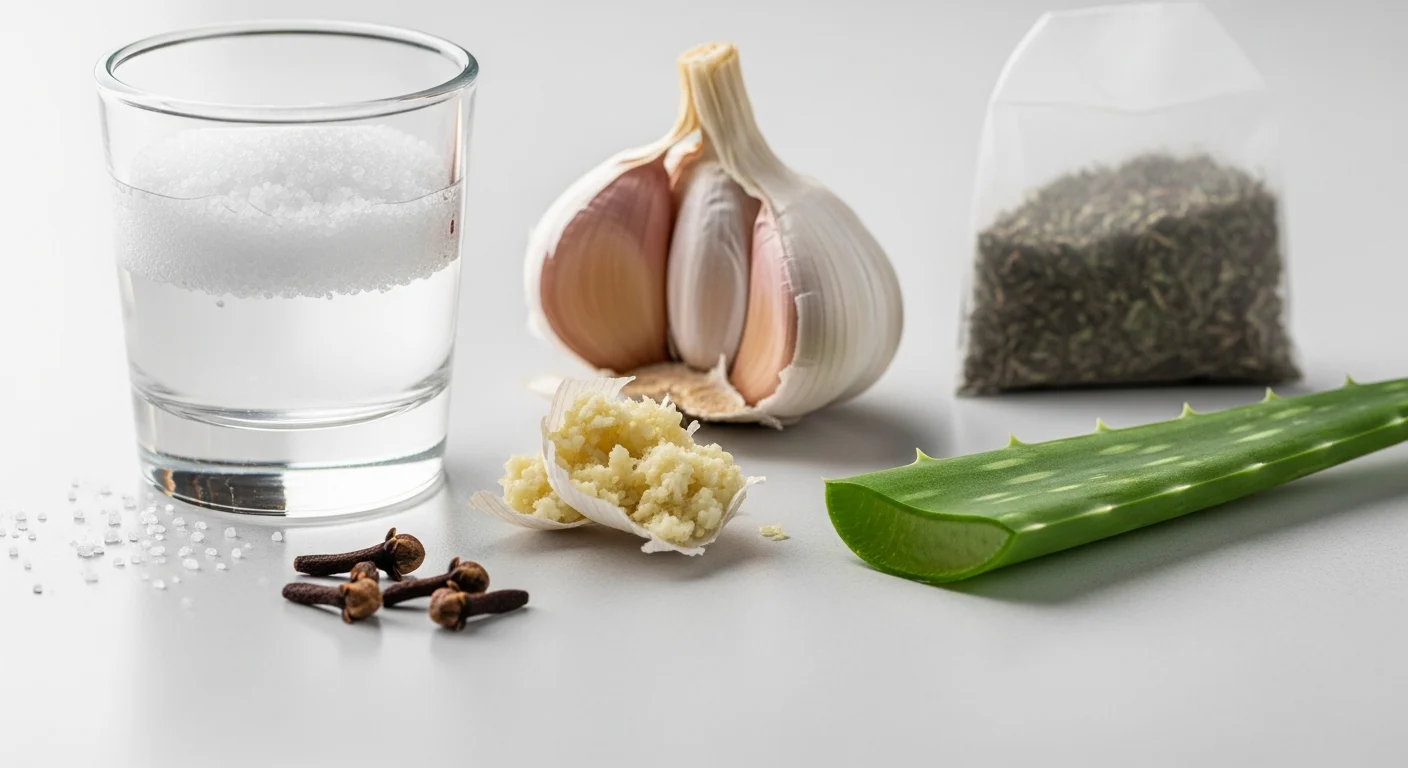
When a tooth abscess strikes, home remedies can provide temporary relief until you see a dentist. Start with a saltwater rinse—mix 1/2 teaspoon of salt in warm water and swish for 30 seconds to reduce bacteria and inflammation. Apply a cold compress to the outside of your cheek for 15-minute intervals to numb pain and decrease swelling. Over-the-counter pain relievers like ibuprofen or acetaminophen can help manage discomfort, but avoid aspirin if bleeding is present. Additionally, garlic and clove oil have natural antibacterial properties; apply a small amount to the affected area with a cotton ball. Remember, these are stopgap measures; an abscess requires professional drainage and antibiotics to prevent spread, as outlined in our guide on high-risk DIY dental procedures.
- Rinse with warm salt water 2-3 times daily.
- Use a cold compress for 15 minutes on, 15 minutes off.
- Take OTC pain relievers as directed on the label.
- Apply clove oil sparingly to the gum area.
- Avoid hot foods and drinks that can exacerbate swelling.
Home Remedy for Dry Socket: Soothing Post-Extraction Pain
Dry socket pain can be excruciating, but home care can ease symptoms. Gently rinse your mouth with saline solution to keep the area clean without disturbing the clot. Use a tea bag—black tea contains tannic acid that can promote clotting and reduce pain—by moistening it and placing it over the socket for 15 minutes. Over-the-counter analgesics are effective, but avoid straws, smoking, or vigorous rinsing, as these can dislodge the clot further. For persistent issues, consider DIY dental hygiene tips to maintain oral health without aggravating the site.
| Remedy | How to Use | Effectiveness |
|---|---|---|
| Saltwater Rinse | Swish gently 2-3 times daily | High for cleaning |
| Tea Bag Compress | Apply moistened bag for 15 min | Moderate for pain relief |
| OTC Pain Relievers | Take as per dosage instructions | High for discomfort |
Home Remedies for Swollen Face After Tooth Extraction
Swelling is a natural response to tooth extraction, but excessive swelling needs management. Apply ice packs to the cheek in the first 24-48 hours to constrict blood vessels and reduce inflammation. Elevate your head while sleeping to minimize fluid accumulation. Stay hydrated and eat soft, cool foods like yogurt or applesauce to avoid irritation. If swelling persists beyond 3 days or is accompanied by fever, it may signal an infection requiring emergency dental intervention. Avoid alcohol and tobacco, as they can impede healing.
- Ice Therapy: Use for 15 minutes on, 15 minutes off initially.
- Diet Tips: Opt for lukewarm or cold, non-spicy foods.
- Rest: Limit physical activity to reduce blood flow to the area.
Preventive Measures and Long-Term Oral Health
Preventing dental emergencies starts with good oral hygiene. Brush twice daily with fluoride toothpaste, floss regularly, and use an antiseptic mouthwash to reduce plaque buildup. Regular dental check-ups can catch issues early, such as cavities that might lead to abscesses. For those interested in maintaining a bright smile, explore home remedies for white teeth through natural methods like baking soda or oil pulling. Additionally, avoid hard foods that can crack teeth and wear a mouthguard if you grind your teeth at night.
- Schedule dental visits every 6 months.
- Practice proper brushing and flossing techniques.
- Use protective gear during sports or sleep.
- Limit sugary foods and drinks that cause decay.
When to Seek Professional Help
While home remedies offer relief, certain symptoms demand immediate dental attention. If you experience severe pain unrelieved by OTC medications, high fever, difficulty breathing or swallowing, or spreading redness and swelling, contact a dentist or visit an emergency room. Delaying care for an abscess can lead to serious infections like sepsis. For more on handling urgent situations, refer to our comprehensive emergency dental guide.
- Red Flags: Fever over 101°F, facial swelling affecting vision, or pus discharge.
- Action Steps: Call your dentist immediately or go to an ER if after hours.
Frequently Asked Questions (FAQs)
What is the fastest home remedy for a tooth abscess?
Rinsing with warm salt water and applying a cold compress can provide quick, temporary relief by reducing inflammation and bacteria, but see a dentist promptly for proper treatment.
How can I treat a dry socket at home without medication?
Use a saline rinse and a moistened black tea bag compress to soothe pain and promote clotting, but avoid disturbing the area with straws or smoking.
Is swelling after tooth extraction normal, and how long should it last?
Yes, swelling is normal and typically peaks within 48 hours, subsiding after 3-5 days. If it worsens or includes fever, seek dental care.
Can home remedies cure a tooth abscess permanently?
No, home remedies only manage symptoms temporarily. An abscess requires professional drainage and antibiotics to cure the infection and prevent complications.
What should I avoid when dealing with dental swelling?
Avoid heat applications, hard or spicy foods, alcohol, and tobacco, as these can increase inflammation and delay healing.
Are there natural ways to whiten teeth at home?
Yes, methods like baking soda paste or oil pulling can help, but for best results, combine with regular dental cleanings as discussed in our DIY dental hygiene guide.
How can I prevent dental emergencies in the future?
Maintain good oral hygiene, visit your dentist regularly, and address minor issues like cavities early to avoid abscesses or extractions.