When a toothache strikes unexpectedly, it can be excruciating and alarming, leaving you scrambling for relief. Whether it’s a sudden abscess, a loose tooth, or severe pain, knowing how to handle dental emergencies at home can make all the difference before you can see a professional. This guide covers practical steps for managing common dental issues, including temporary solutions for pain and infection, while emphasizing the importance of seeking professional care. For more on health and safety at home, check out our home emergency preparedness tips.
For emergency tooth extraction at home, do not attempt to remove a tooth yourself due to risks of infection, bleeding, and damage. Instead, manage pain with over-the-counter pain relievers, cold compresses, and saltwater rinses, and seek immediate dental care. Home remedies like clove oil or garlic can provide temporary relief for abscesses or infections, but professional treatment is essential.
Understanding Dental Emergencies and When to Act
Dental emergencies can range from mild discomfort to life-threatening infections. Common issues include severe toothaches, abscesses, broken teeth, or knocked-out teeth. It’s crucial to recognize when a situation requires immediate attention. For example, an abscessed tooth, which involves a pocket of pus caused by bacterial infection, can lead to serious complications if left untreated. Symptoms like swelling, fever, or difficulty breathing warrant emergency medical care. In the meantime, home remedies can help alleviate symptoms temporarily. For related home health strategies, explore our teeth whitening and tartar removal methods.
Home Remedies for Tooth Pain and Infection
When you can’t get to a dentist right away, these home remedies can provide relief for tooth pain and minor infections. Always use them as temporary measures and consult a professional for proper diagnosis and treatment.
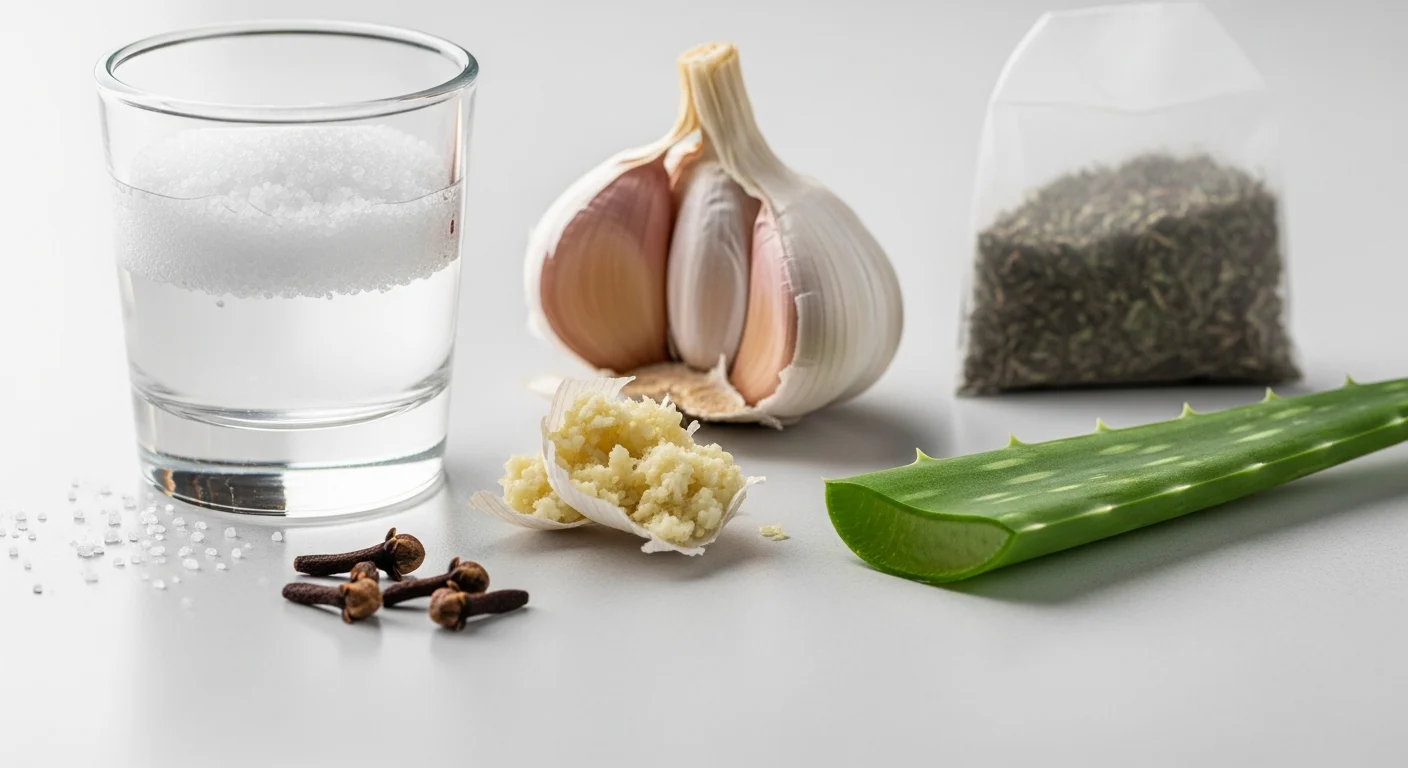
- Saltwater Rinse: Mix 1/2 teaspoon of salt in a glass of warm water and swish it around your mouth for 30 seconds. This helps reduce inflammation and kill bacteria.
- Cold Compress: Apply a cold pack or ice wrapped in a cloth to the outside of your cheek for 15-20 minutes to numb pain and reduce swelling.
- Clove Oil: Dab a small amount of clove oil on a cotton ball and apply it to the affected area. Its natural analgesic properties can ease pain.
- Garlic Paste: Crush a garlic clove to make a paste and apply it to the tooth. Garlic has antimicrobial effects that may help fight infection.
- Over-the-Counter Pain Relievers: Use medications like ibuprofen or acetaminophen as directed to manage pain, but avoid placing aspirin directly on gums.
How to Handle an Abscessed Tooth at Home
An abscessed tooth is a serious condition that requires prompt dental care. While waiting for treatment, you can take steps to manage symptoms and prevent worsening. Home remedies for abscess tooth focus on pain relief and reducing infection spread.
- Rinse with Saltwater: Do this several times a day to help draw out pus and soothe the area.
- Avoid Hot or Cold Foods: Stick to lukewarm, soft foods to minimize irritation.
- Elevate Your Head: When sleeping, use extra pillows to reduce pressure and swelling.
- Monitor Symptoms: Watch for signs of spreading infection, such as increased swelling or fever, and seek emergency care if they occur.
Risks of Attempting Tooth Removal at Home
Many people wonder how to remove a tooth at home, but this is highly dangerous and not recommended. Attempting DIY extraction can lead to severe complications.
| Risk | Description | Why It’s Dangerous |
|---|---|---|
| Infection | Introducing bacteria into the socket | Can cause systemic infection or sepsis |
| Bleeding | Uncontrolled bleeding from damaged tissues | May require emergency medical intervention |
| Damage to Surrounding Teeth | Accidentally harming adjacent teeth or jawbone | Leads to costly repairs and prolonged pain |
| Incomplete Removal | Leaving tooth fragments behind | Causes ongoing pain and infection risks |
Instead, focus on pain management and schedule an appointment with a dentist. For tips on maintaining a healthy home environment, see our smart home setup guide.
Preventive Measures and Long-Term Dental Care
Preventing dental emergencies starts with good oral hygiene and regular check-ups. Incorporate these habits into your routine to reduce the risk of tooth pain and issues.
- Brush and Floss Daily: Use fluoride toothpaste and floss to remove plaque and prevent decay.
- Regular Dental Visits: Schedule cleanings and exams every six months to catch problems early.
- Healthy Diet: Limit sugary foods and drinks that contribute to tooth decay.
- Wear Mouthguards: Use protection during sports to prevent injuries.
- Avoid Using Teeth as Tools: Don’t open packages or crack nuts with your teeth to prevent damage.
When to Seek Professional Help
While home remedies can provide temporary relief, certain situations require immediate dental or medical attention. Do not delay if you experience any of the following.
- Severe Pain: Pain that doesn’t respond to over-the-counter medications.
- Swelling: Significant swelling in the face, jaw, or neck that affects breathing or swallowing.
- Fever: A high temperature accompanied by dental pain, indicating infection.
- Bleeding: Uncontrolled bleeding from the mouth or gums.
- Trauma: A knocked-out or broken tooth from an accident.
In such cases, contact a dentist or visit an emergency room. For more on handling home emergencies, refer to our guide to fixing foundation cracks.
FAQs About Emergency Dental Care at Home
Can I perform an emergency tooth extraction at home safely?
No, attempting an emergency tooth extraction at home is unsafe due to risks of infection, bleeding, and permanent damage. Always seek professional dental care for extractions.
What are the best home remedies for abscess tooth relief?
Effective home remedies for abscess tooth include saltwater rinses, cold compresses, and clove oil applications. These can reduce pain and inflammation temporarily, but see a dentist for treatment.
How can I remove a tooth at home if it’s loose?
Do not try to remove a tooth at home, even if it’s loose. Let it fall out naturally or have a dentist extract it to avoid complications like infection or injury.
What home remedy for tooth infection works quickly?
A saltwater rinse or garlic paste can provide quick relief for tooth infection symptoms, but they are not cures. Antibiotics and dental procedures are needed to treat the infection fully.
When should I go to the ER for a toothache?
Go to the ER if you have severe swelling, difficulty breathing, high fever, or uncontrolled bleeding. For routine toothaches, contact a dentist instead.
Can I use over-the-counter numbing gels for tooth pain?
Yes, over-the-counter numbing gels with benzocaine can temporarily relieve tooth pain, but use them as directed and avoid long-term reliance without dental advice.
How do I prevent dental emergencies at home?
Prevent dental emergencies by maintaining good oral hygiene, visiting the dentist regularly, and avoiding hard foods or activities that could damage teeth.
Are there natural alternatives to painkillers for toothaches?
Yes, natural alternatives like clove oil, peppermint tea, or turmeric paste may help ease toothache pain, but they should complement, not replace, professional care.