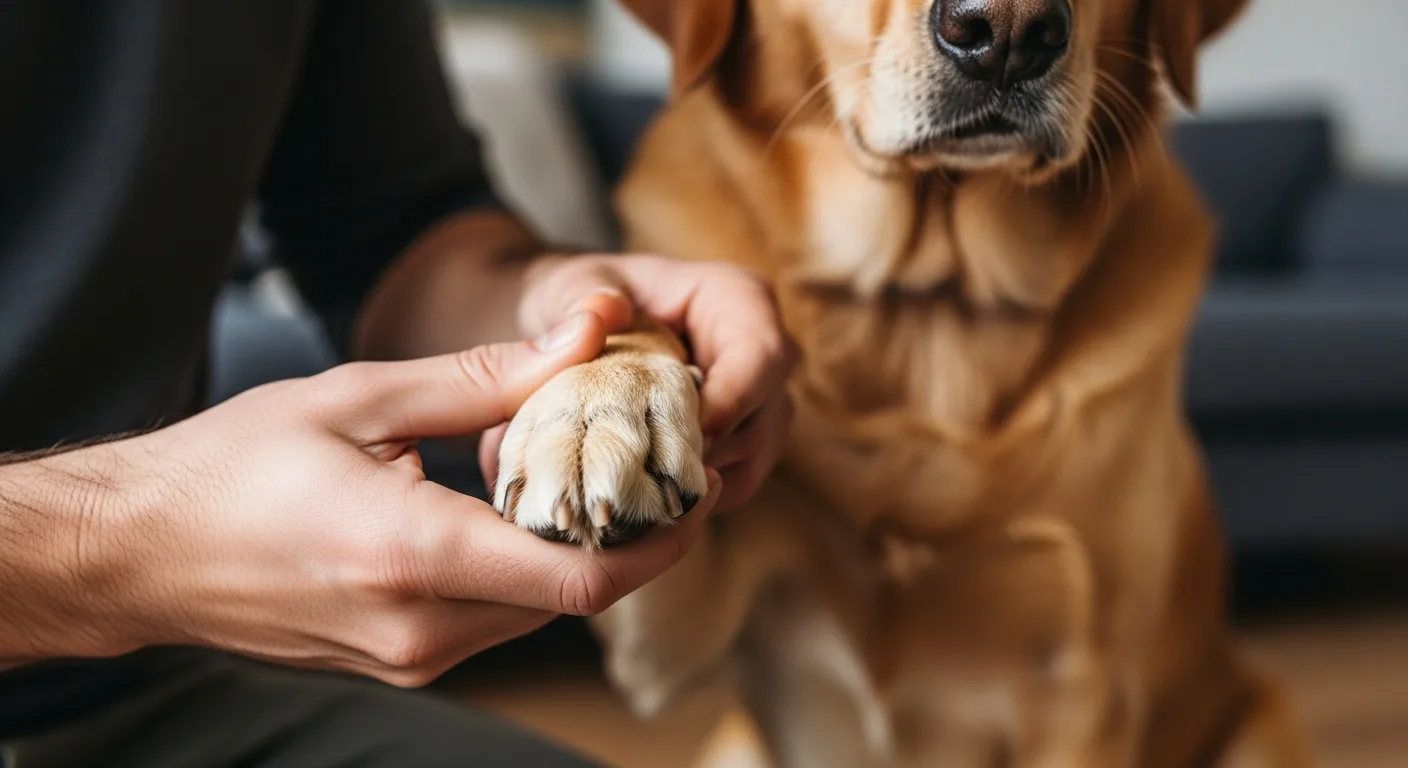
Does your dog’s paws smell like corn chips or stale popcorn? That distinct odor, often called “Frito feet,” is usually a sign of yeast overgrowth or bacterial buildup on your pup’s skin. While it might seem harmless, it can indicate underlying allergies, infections, or poor hygiene that cause discomfort. Many dog owners notice this alongside other issues like dandruff, itchy skin, or vulvar dermatitis, especially in breeds prone to skin problems. Fortunately, you don’t always need a vet visit right away—there are safe, natural home remedies that can help manage these conditions and keep your furry friend comfortable. In this guide, we’ll explore practical solutions for treating Frito feet, yeast infections, and related skin allergies at home, using ingredients you might already have on hand.
To treat dog Frito feet at home, clean paws with an apple cider vinegar solution, use antifungal wipes or sprays, and ensure thorough drying after walks. For yeast infections, apply coconut oil or diluted tea tree oil, and manage allergies with omega-3 supplements and hypoallergenic diets. Always monitor for worsening symptoms and consult a vet if needed.
Understanding Frito Feet and Yeast Infections in Dogs
Frito feet get their name from the corn chip-like smell caused by bacteria (like Proteus or Pseudomonas) and yeast (often Malassezia) naturally present on dog paws. When these microbes overgrow due to moisture, allergies, or poor grooming, they produce volatile compounds that create that distinctive odor. Yeast infections are a common culprit, thriving in warm, damp areas like between paw pads, skin folds, or around the vulva. Dogs with allergies—whether food-related, environmental, or contact—are more susceptible because inflamed skin provides an ideal environment for yeast and bacteria. Symptoms to watch for include:
- Redness or swelling between toes or on paw pads
- Excessive licking or chewing of paws
- Flaky skin or dandruff on the body
- Discharge or odor from ears or genital areas
- Itching and scratching that leads to hair loss
Addressing these issues early with home remedies for dogs can prevent more serious infections. For example, similar natural approaches used for hip dysplasia pain relief can inspire gentle, holistic care for skin problems.
Home Remedies for Frito Feet and Yeast Infections
Treating Frito feet and yeast infections at home focuses on reducing moisture, killing microbes, and soothing irritated skin. Here are effective remedies you can try:
- Apple Cider Vinegar Rinse: Mix equal parts raw, unfiltered apple cider vinegar and water in a spray bottle. Spritz on paws after walks and wipe clean—its acidity helps balance skin pH and inhibit yeast.
- Coconut Oil Application: Apply a thin layer of organic, virgin coconut oil to affected areas. It has antifungal and antibacterial properties that combat yeast while moisturizing dry skin.
- Tea Tree Oil Dilution: Dilute a few drops of tea tree oil in a carrier oil (like olive oil) and dab on paws. Use sparingly as it can be toxic if ingested; avoid use on open wounds.
- Epsom Salt Soaks: Dissolve Epsom salt in warm water and let your dog soak their paws for 5-10 minutes. This reduces inflammation and draws out impurities.
- Probiotic Supplements: Add plain, unsweetened yogurt or probiotic powders to your dog’s diet to support gut health, which can improve skin immunity against yeast.
Always dry your dog’s paws thoroughly after outdoor activities or baths to prevent moisture buildup. If symptoms persist, consider consulting resources like our guide on emergency pet care for when to seek professional help.
Managing Dog Dandruff and Vulvar Dermatitis at Home
Dandruff (flaky skin) and vulvar dermatitis (inflammation around the female dog’s genital area) often accompany yeast issues and can be managed with similar home strategies. Dandruff may result from dry skin, allergies, or poor nutrition, while vulvar dermatitis can stem from infections, hormonal imbalances, or irritants. Remedies include:
- Oatmeal Baths: Use colloidal oatmeal in lukewarm water to soothe itchy, flaky skin. It’s gentle and anti-inflammatory.
- Omega-3 Fatty Acids: Supplement with fish oil or flaxseed oil to improve skin hydration and reduce inflammation from allergies.
- Hypoallergenic Diet: Switch to limited-ingredient or grain-free foods if food allergies are suspected. Monitor for improvements over 4-6 weeks.
- Aloe Vera Gel: Apply pure aloe vera to irritated areas for cooling relief and healing—ensure it’s pet-safe and free of additives.
- Regular Grooming: Brush your dog frequently to distribute natural oils and remove dead skin cells.
For severe cases, such as when dandruff is linked to mange or other infections, refer to our article on canine skin health for more targeted advice. Additionally, maintaining a clean living environment can help; learn about home cleansing techniques to reduce allergens in your space.
Prevention and Long-Term Care
Preventing Frito feet, yeast infections, and skin allergies involves consistent care and lifestyle adjustments. Implement these practices to keep your dog healthy:
- Paw Maintenance: Trim hair between paw pads, clean paws after walks, and use dog boots in wet or muddy conditions.
- Balanced Diet: Feed high-quality, nutrient-rich food to support skin health. Avoid common allergens like corn, wheat, or soy if your dog is sensitive.
- Environmental Control: Reduce exposure to pollen, dust, or chemicals that trigger allergies. Use air purifiers and wash bedding regularly.
- Regular Vet Check-ups: Schedule annual exams to catch issues early, especially for breeds prone to skin problems.
- Stress Management: Provide ample exercise and mental stimulation, as stress can weaken the immune system and exacerbate skin conditions.
Comparing different home remedies can help you choose the best option. Below is a table summarizing key approaches:
| Remedy | Best For | How to Use | Precautions |
|---|---|---|---|
| Apple Cider Vinegar | Frito feet, yeast | Dilute 1:1, spray on paws | Avoid open wounds |
| Coconut Oil | Yeast, dandruff | Apply topically to skin | Use in moderation to prevent greasiness |
| Epsom Salt Soak | Inflammation, odor | Soak paws for 5-10 mins | Ensure water is not too hot |
| Omega-3 Supplements | Allergies, dry skin | Add to food daily | Consult vet for dosage |
For broader home care tips, such as managing other pet health issues, explore our guide on pet health monitoring.
Frequently Asked Questions (FAQs)
What causes Frito feet in dogs?
Frito feet are caused by an overgrowth of naturally occurring bacteria and yeast on dog paws, often due to moisture, allergies, or poor hygiene. The microbes produce compounds that smell like corn chips.
Can I use human antifungal creams on my dog’s yeast infection?
It’s not recommended without vet advice, as some human products contain ingredients toxic to dogs. Stick to pet-safe remedies like coconut oil or diluted apple cider vinegar.
How often should I clean my dog’s paws for Frito feet?
Clean paws daily if your dog goes outside frequently, especially after walks in wet or dirty areas. Use a gentle wipe or rinse and dry thoroughly to prevent moisture buildup.
Are there home remedies for dog vulvar dermatitis?
Yes, try warm compresses, aloe vera gel, or diluted chamomile tea rinses to soothe inflammation. Keep the area clean and dry, and consult a vet if symptoms worsen.
What diet changes help with dog dandruff and allergies?
Switch to hypoallergenic or grain-free foods, add omega-3 supplements, and ensure adequate hydration. Avoid common allergens like chicken or beef if your dog shows sensitivities.
When should I see a vet for my dog’s skin issues?
See a vet if home remedies don’t improve symptoms within a week, or if you notice severe redness, swelling, pus, or behavioral changes like lethargy or loss of appetite.
Can Frito feet lead to serious infections?
If left untreated, yeast or bacterial overgrowth can cause deeper skin infections, pain, or spread to other areas. Early intervention with home care or vet treatment is key to prevention.
Are certain dog breeds more prone to skin allergies?
Yes, breeds like Bulldogs, Retrievers, and Terriers often have sensitive skin. Regular grooming and preventive care can help manage their susceptibility.