Dealing with pests like cockroaches, fleas, and mysterious odors such as a rotten egg smell can turn your home into a stressful environment. These issues not only affect your comfort but can also pose health risks and damage your property. Fortunately, with the right knowledge and tools, you can tackle these problems head-on using effective DIY pest control methods. This comprehensive guide will walk you through practical steps to manage roaches, fleas, and odors, ensuring a cleaner, safer living space. By understanding the root causes and implementing preventive measures, you can reclaim your home from unwanted invaders and unpleasant smells.
To avoid cockroaches in home, seal entry points, eliminate food and water sources, use baits and traps, and maintain cleanliness. For fleas, vacuum regularly, wash pet bedding, and apply flea and tick home spray. Address rotten egg smells by checking for gas leaks, cleaning drains, and using odor absorbers.
Understanding Common Home Pests and Odors
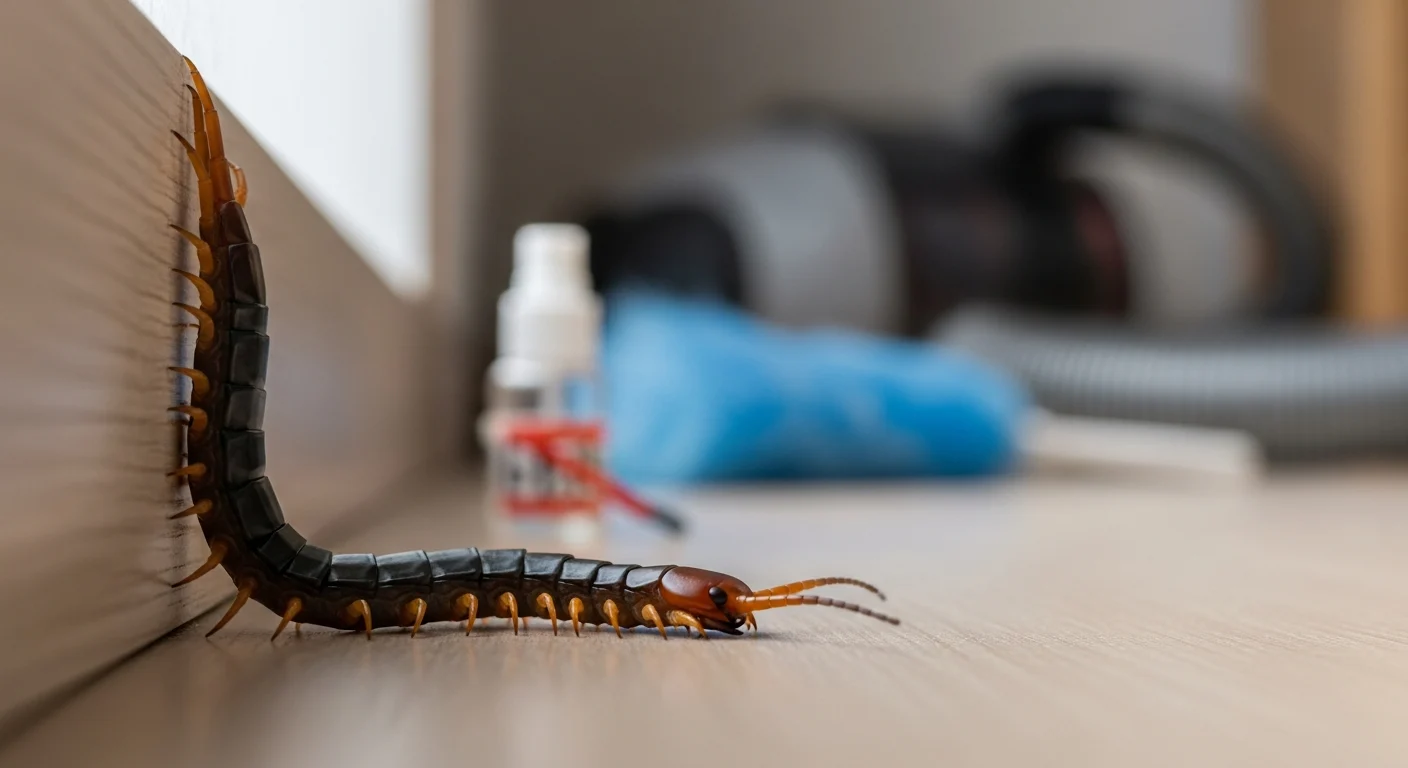
Before diving into solutions, it’s essential to know what you’re up against. Cockroaches are resilient insects that thrive in warm, moist environments with access to food. They can spread bacteria and trigger allergies. Fleas, often brought in by pets, cause itchy bites and can infest carpets and furniture. Odors like a rotten egg smell might indicate a gas leak or bacterial buildup in drains. Identifying these issues early is key to effective control. For more on maintaining your home’s exterior to prevent pest entry, consider reading about mobile home exteriors.
How to Avoid Cockroaches in Home
Cockroaches are a common nuisance, but with proactive measures, you can keep them at bay. Start by inspecting your home for entry points and addressing them promptly.
- Seal cracks and gaps in walls, windows, and doors with caulk or weatherstripping.
- Fix leaky pipes and reduce moisture in bathrooms and kitchens.
- Store food in airtight containers and clean up spills immediately.
- Use cockroach baits and traps in areas where they are frequently seen.
- Regularly take out the trash and keep garbage bins sealed.
Consistency is crucial; make these practices part of your routine to deter infestations. If you notice signs of cockroaches, act quickly to prevent them from multiplying.
Effective Flea and Tick Home Spray Methods
Fleas and ticks can be particularly troublesome, especially if you have pets. A flea and tick home spray is a powerful tool in your DIY arsenal, but it must be used correctly for maximum effect.
- Choose a spray labeled for indoor use and safe for pets and children.
- Vacuum thoroughly before spraying to remove eggs and larvae.
- Focus on areas where pets spend time, such as carpets, furniture, and bedding.
- Follow the manufacturer’s instructions for application and reapplication.
- Wash pet bedding and toys regularly in hot water.
In addition to sprays, consider using natural remedies like diatomaceous earth or essential oils. Regular grooming of pets and maintaining a clean home environment are essential for long-term control. Integrating smart home devices can help monitor and manage these tasks efficiently; learn more in our smart home setup guide.
Dealing with Rotten Egg Smell in Home
A rotten egg smell is often alarming, as it can signal a gas leak or other serious issues. However, it might also be due to less dangerous causes like drain bacteria. Here’s how to identify and address it.
- If you suspect a gas leak, evacuate immediately and contact your gas company.
- Check drains and garbage disposals for food buildup and clean them with baking soda and vinegar.
- Inspect your water heater for sulfur bacteria and flush it if needed.
- Use odor absorbers like activated charcoal or air purifiers to neutralize smells.
- Ensure proper ventilation in bathrooms and kitchens to prevent moisture-related odors.
Addressing the source promptly can prevent health risks and improve indoor air quality. Regular maintenance of your home’s systems is key to avoiding such odors.
DIY Pest Control Tools and Products Comparison
Choosing the right products is vital for effective pest control. Below is a comparison of common DIY tools for managing roaches, fleas, and odors.
| Product Type | Best For | Pros | Cons |
|---|---|---|---|
| Cockroach Baits | Targeting roach colonies | Long-lasting, easy to use | May take time to show results |
| Flea and Tick Spray | Killing fleas on surfaces | Quick action, covers large areas | Can contain chemicals, requires caution |
| Odor Absorbers | Neutralizing smells like rotten egg | Natural options available, safe | May not address root cause |
| Traps and Monitors | Detecting pest activity | Non-toxic, good for prevention | Limited to small infestations |
Select products based on your specific needs and always follow safety guidelines. Combining multiple methods often yields the best results.
Preventive Measures for Long-Term Pest Control
Prevention is better than cure when it comes to pests and odors. Implement these strategies to maintain a pest-free home.
- Conduct regular inspections of your home’s interior and exterior for signs of pests.
- Keep your home clean and clutter-free to eliminate hiding spots.
- Maintain your yard by trimming vegetation and removing standing water.
- Educate family members on proper food storage and hygiene practices.
- Schedule seasonal deep cleans to address potential problem areas.
By staying vigilant, you can reduce the likelihood of infestations and odors. Remember, a well-maintained home is less attractive to pests.
Frequently Asked Questions
What are the best natural ways to avoid cockroaches in home?
Use boric acid, diatomaceous earth, or essential oils like peppermint. Keep your home dry and clean, and seal entry points to deter them naturally.
How can I tell if a rotten egg smell is dangerous?
If the smell is strong and accompanied by symptoms like dizziness, it could be a gas leak—evacuate and call for help. Otherwise, check drains or water heaters.
Is flea and tick home spray safe for pets?
Yes, if you choose products labeled as pet-safe and follow instructions carefully. Keep pets away during application and until the area dries.
How often should I apply pest control measures?
For prevention, inspect monthly and apply treatments as needed, typically every few months. Increase frequency if you notice pest activity.
Can odors attract pests like cockroaches?
Yes, food smells and moisture odors can attract pests. Maintaining cleanliness and using odor control can help reduce this risk.
What should I do if DIY methods don’t work?
If infestations persist, consider consulting a professional pest control service for more targeted solutions.
Are there eco-friendly options for pest control?
Yes, options like neem oil, vinegar solutions, and traps are eco-friendly and effective for minor issues.