DIY hair care offers a cost-effective and personalized way to manage your hair health, but it requires careful attention to safety and technique. Whether you’re exploring natural hair colour at home, trying microneedling for hair loss at home, or dealing with issues like oily hair or hair glue removal, this guide provides step-by-step instructions and essential tips. By understanding proper methods and precautions, you can achieve salon-like results while minimizing risks like scalp irritation or damage. From herbal dyes to scalp treatments, we cover everything you need for a successful at-home hair care routine that prioritizes both beauty and well-being.
For DIY hair care, use natural dyes like henna or coffee for safe colouring, apply microneedling with a derma roller at 0.5mm depth for hair loss, remove hair glue with oil-based home remedies, and manage oily hair with apple cider vinegar rinses or clay masks. Always patch-test and follow safety guidelines to avoid damage.
Natural Hair Colour at Home: Safe and Effective Methods
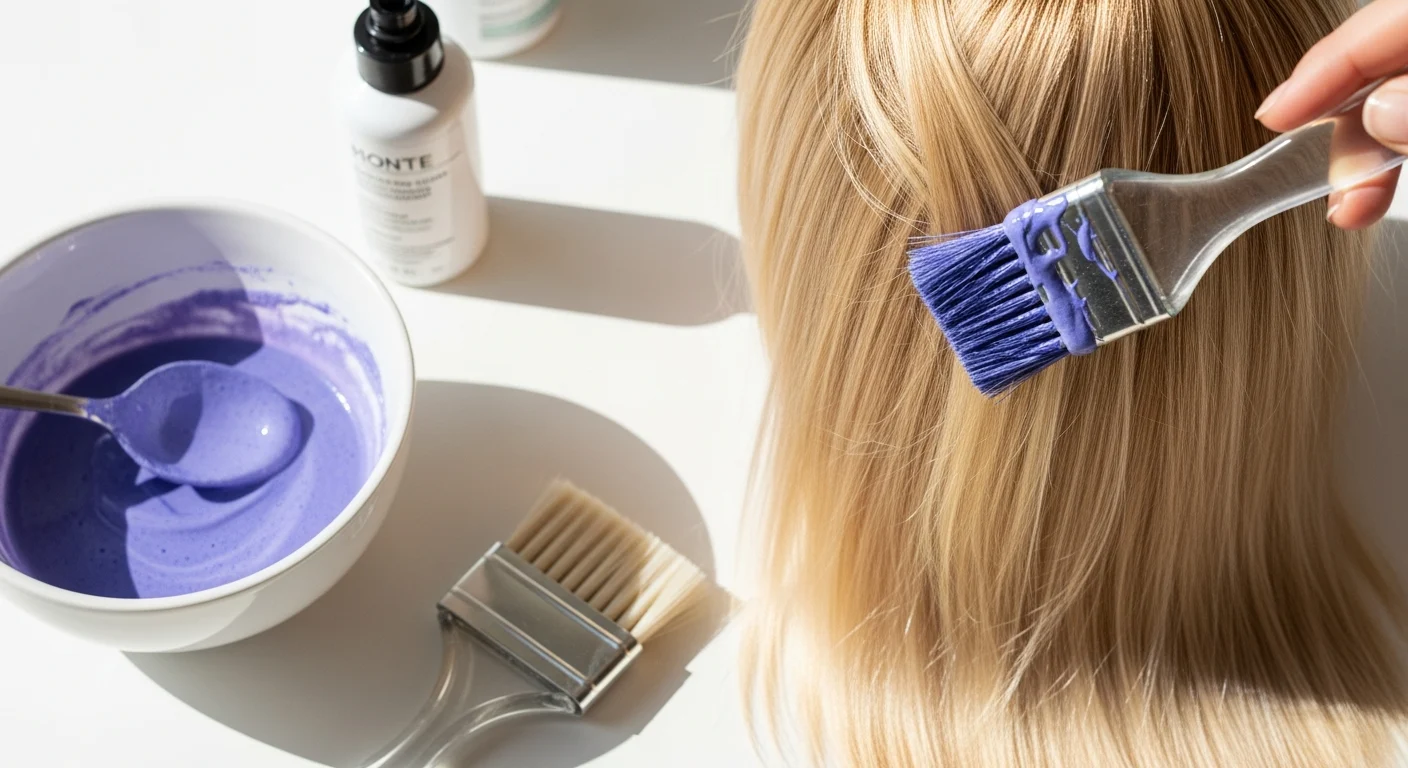
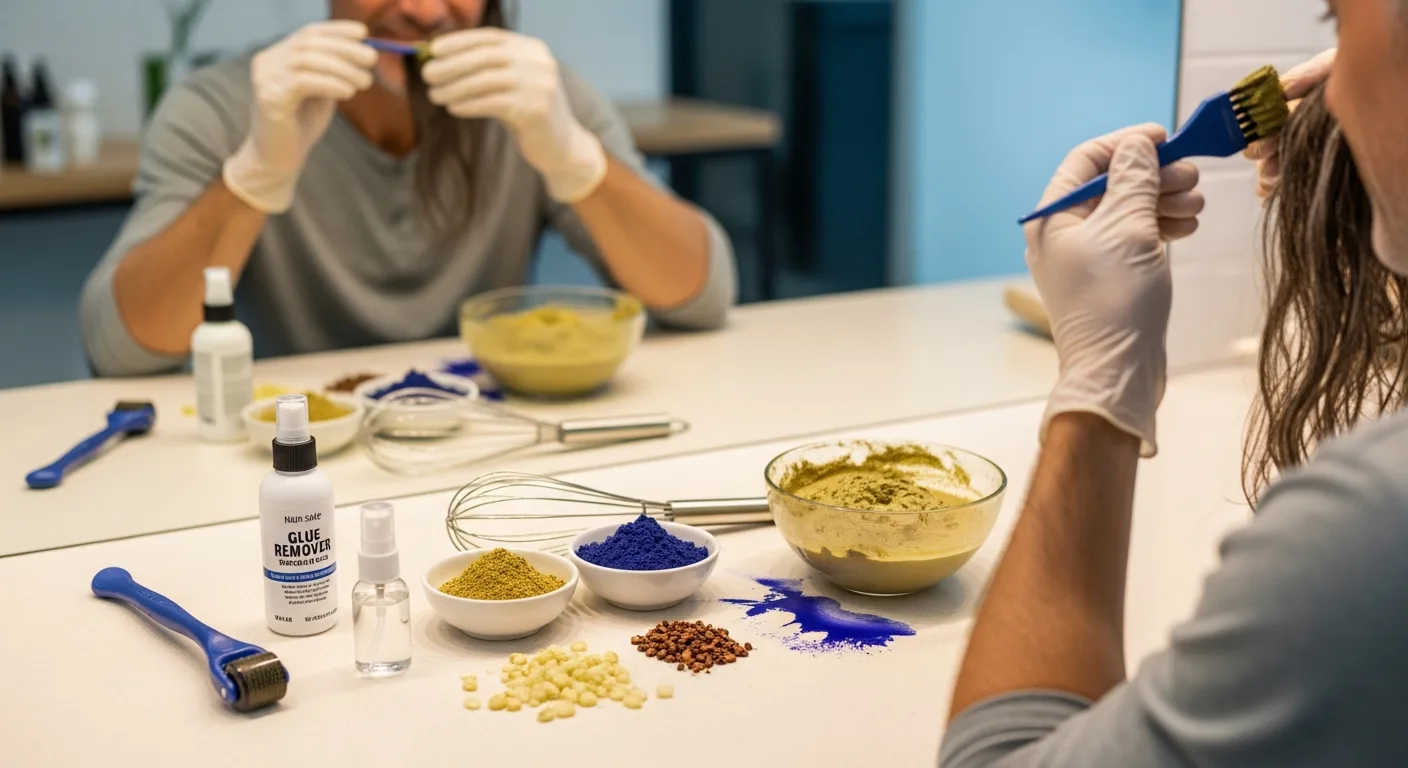
Using natural hair colour at home is a popular trend for avoiding harsh chemicals found in commercial dyes. Natural options like henna, coffee, and herbal blends can provide rich tones while nourishing your hair. For example, henna offers a reddish tint and strengthens hair shafts, while coffee can darken brown hair naturally. To apply, mix your chosen ingredient with water or other natural additives like yogurt to form a paste, then apply evenly to clean, dry hair. Leave it on for 1-3 hours depending on the desired intensity, then rinse thoroughly. Always perform a patch test 24 hours before to check for allergies, and avoid mixing with chemical dyes to prevent adverse reactions. For more DIY beauty tips, check out our guide on at-home beauty treatments.
Microneedling for Hair Loss at Home: A Step-by-Step Guide
Microneedling for hair loss at home involves using a derma roller with fine needles to stimulate scalp circulation and promote hair growth. This technique can enhance the absorption of topical treatments and activate natural healing processes. Start by choosing a derma roller with needles no longer than 0.5mm to 1.0mm for safety. Cleanse your scalp and the roller with alcohol, then gently roll in different directions over thinning areas for 5-10 minutes. Apply a soothing serum like aloe vera afterward to reduce irritation. Use it once a week, and avoid sharing tools to prevent infections. While microneedling can be effective, consult a dermatologist if you have scalp conditions. For related home remedies, explore our article on canine dermatology home remedies for insights on natural treatments.
How to Remove Hair Glue from Hair: Home Remedies
Removing hair glue from hair can be tricky, but home remedies offer gentle solutions without damaging your strands. Hair glue, often used for extensions or wigs, can leave residue that’s tough to dissolve. Here’s a simple method using oil-based products:
- Apply a generous amount of coconut oil, olive oil, or baby oil to the glued area.
- Gently massage for 5-10 minutes to loosen the adhesive.
- Use a fine-tooth comb to carefully detangle and remove residue.
- Wash with a clarifying shampoo to eliminate any remaining oil and glue.
Avoid pulling or using harsh chemicals like acetone, which can dry out hair. For stubborn glue, repeat the process or try a mixture of baking soda and water as a scrub. Always condition afterward to restore moisture. For more removal techniques, see our guide on DIY beauty removal.
Home Remedies for Oily Hair: Natural Solutions
Oily hair results from overactive sebaceous glands, but home remedies can help balance oil production naturally. Simple ingredients from your kitchen can provide effective treatments without stripping your scalp. Here are some popular options:
- Apple Cider Vinegar Rinse: Mix 1-2 tablespoons with a cup of water, apply after shampooing, and rinse to clarify and reduce oil.
- Clay Masks: Use bentonite or kaolin clay mixed with water to absorb excess oil; apply to scalp, leave for 15 minutes, then wash out.
- Tea Tree Oil: Add a few drops to your shampoo to combat oil and dandruff with its antimicrobial properties.
Incorporate these remedies into your weekly routine, and avoid overwashing, which can trigger more oil production. For additional natural care tips, refer to our article on feline cold eye care home remedies.
DIY Hair Care Safety Tips and Precautions
Safety is paramount in DIY hair care to prevent damage or health issues. Always follow these guidelines:
- Patch Test: Test any new product or ingredient on a small skin area 24 hours before full application to check for allergies.
- Use Clean Tools: Sterilize equipment like derma rollers or brushes to avoid infections.
- Avoid Overuse: Limit treatments like microneedling to once a week and natural dyes to every 4-6 weeks to prevent stress on hair.
- Consult Professionals: Seek advice from a dermatologist or stylist if you have underlying conditions or experience adverse reactions.
By prioritizing safety, you can enjoy the benefits of DIY hair care without risks. For more on home safety and maintenance, check out our master maintenance checklists.
Comparing Natural Hair Colour Options
When choosing a natural hair colour at home, it’s helpful to compare different options based on their effects and ease of use. Below is a table summarizing key natural dyes:
| Natural Ingredient | Colour Result | Application Time | Benefits |
|---|---|---|---|
| Henna | Reddish tones | 2-3 hours | Strengthens hair, chemical-free |
| Coffee | Dark brown | 1-2 hours | Adds shine, easy to apply |
| Chamomile Tea | Light blonde highlights | 30-60 minutes | Gentle, conditions hair |
| Beetroot | Burgundy tints | 1-2 hours | Rich colour, nourishing |
Select based on your hair type and desired outcome, and always follow preparation instructions carefully.
Frequently Asked Questions (FAQs)
Is natural hair colour at home safe for all hair types?
Yes, natural hair colour at home is generally safe for most hair types, including curly, straight, or color-treated hair, as it uses gentle ingredients like herbs or plants. However, always patch-test first, especially if you have sensitive scalp or allergies, to avoid irritation or unexpected reactions.
How often should I do microneedling for hair loss at home?
For microneedling for hair loss at home, limit sessions to once a week to allow your scalp to heal and prevent over-stimulation. Using a derma roller with 0.5mm needles is recommended for beginners, and consistency over several months can yield visible results in hair thickness and growth.
What’s the best home remedy to remove hair glue from hair?
The best home remedy to remove hair glue from hair is using oil-based products like coconut or olive oil. Apply generously, massage to loosen the adhesive, then comb out gently and wash with a clarifying shampoo. Avoid harsh chemicals to prevent damage to your hair strands.
Can home remedies for oily hair cause dryness?
Home remedies for oily hair, such as apple cider vinegar rinses or clay masks, are designed to balance oil without causing dryness when used moderately. Overuse or leaving treatments on too long can strip natural oils, so follow recommended frequencies and always condition afterward.
Are there risks to DIY hair care treatments?
Yes, risks to DIY hair care treatments include allergic reactions, scalp damage, or infection if tools aren’t sterilized. To minimize these, always patch-test, use clean equipment, and follow safety guidelines. Consult a professional if you’re unsure or experience persistent issues.
How long does natural hair colour last at home?
Natural hair colour at home typically lasts 4-6 weeks, depending on factors like hair porosity and washing frequency. Ingredients like henna may fade gradually, while coffee might require more frequent touch-ups. Using color-safe shampoos can help extend the lifespan.
What should I avoid when doing microneedling at home?
When doing microneedling at home, avoid using needles longer than 1.0mm, rolling over broken skin or active infections, and sharing tools. Also, skip harsh hair products immediately after treatment to prevent irritation, and always disinfect your derma roller before and after use.
Can I combine different home remedies for hair care?
You can combine different home remedies for hair care, but do so cautiously. For example, use a natural dye one week and an oily hair treatment the next, but avoid overlapping harsh treatments like microneedling with strong dyes to prevent scalp stress. Space out applications for best results.