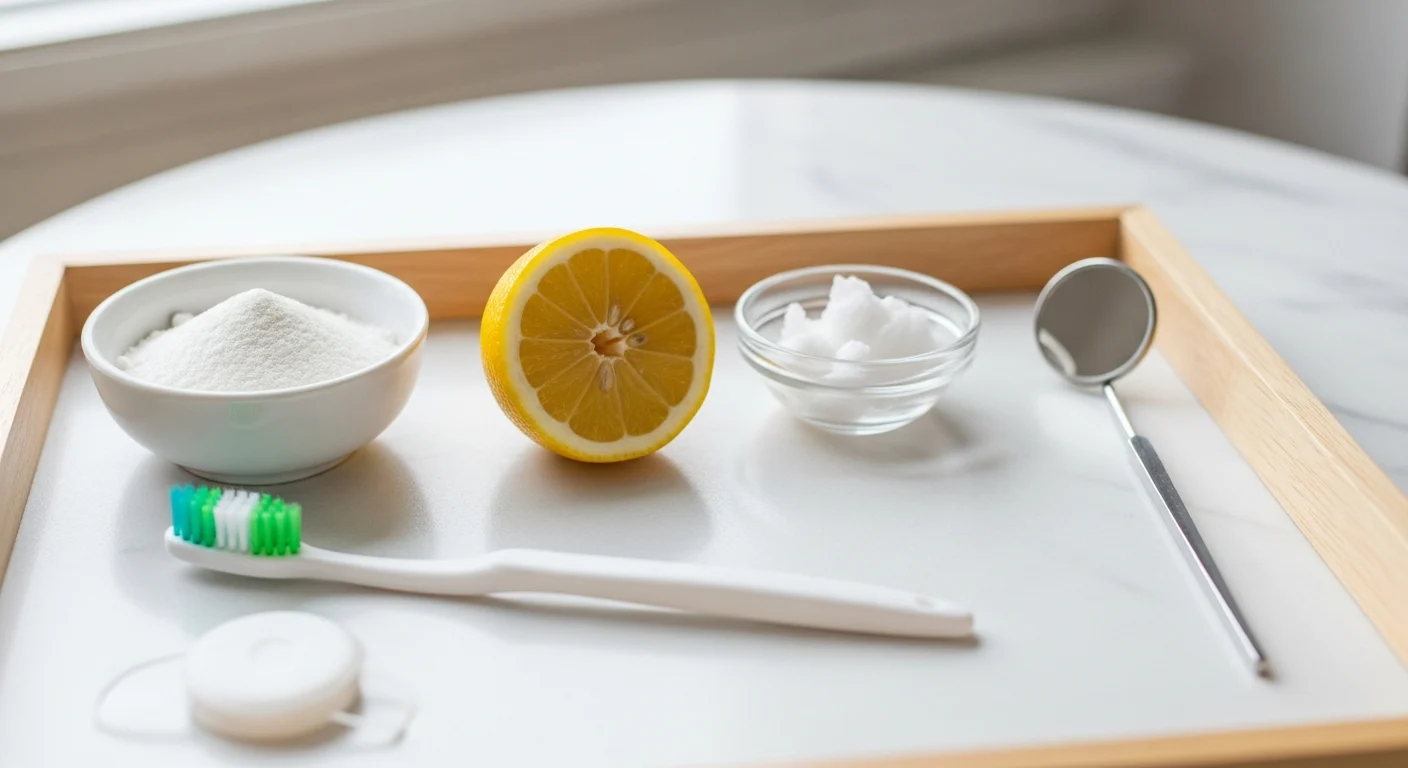
Maintaining a healthy smile doesn’t always require expensive dental visits. With the right knowledge and tools, you can tackle common issues like tartar buildup, plaque, and gum discoloration from the comfort of your home. This guide explores safe and effective DIY dental hygiene practices, helping you understand when home care is sufficient and when professional intervention is necessary. From natural remedies to over-the-counter products, we’ll cover everything you need to keep your teeth and gums in top shape without breaking the bank.
Yes, you can clean tartar from teeth at home using methods like baking soda, hydrogen peroxide, and dental scalers, but severe cases require professional care. For plaque removal, regular brushing and flossing are key, while black gums may need lifestyle changes or medical treatment. Always prioritize safety to avoid damage.
Understanding Tartar, Plaque, and Gum Issues
Before diving into home remedies, it’s crucial to know what you’re dealing with. Plaque is a sticky film of bacteria that forms on teeth and can harden into tartar if not removed. Tartar, or calculus, is a mineralized deposit that bonds strongly to enamel and requires professional scaling to remove completely. Gum issues, such as black gums, can stem from factors like smoking, medication, or poor oral hygiene, leading to discoloration or inflammation. Recognizing these differences helps you choose the right approach for your at-home dental hygiene routine.
How to Clean Tartar from Teeth at Home
Removing tartar at home involves gentle methods to avoid damaging your enamel or gums. While professional cleaning is best for heavy buildup, these techniques can help manage minor tartar:
- Baking Soda and Hydrogen Peroxide: Mix a paste with baking soda and a few drops of hydrogen peroxide. Brush gently once a week to break down tartar without abrasion.
- Oil Pulling: Swish coconut or sesame oil in your mouth for 10-15 minutes daily. This ancient practice can reduce bacteria and soften tartar over time.
- Dental Scalers: Use a dental scaler tool carefully to scrape off visible tartar. Be cautious to avoid scratching gums or enamel; improper use can lead to infections.
- Apple Cider Vinegar Rinse: Dilute with water and rinse once a week. Its acidic properties help dissolve tartar, but overuse can erode enamel.
For more advanced techniques, check out our guide on advanced DIY dental procedures to ensure you’re following safe practices.
Can You Remove Plaque at Home?
Yes, plaque removal is entirely achievable at home with consistent oral care. Plaque forms daily and can be managed through routine habits:
- Brush Twice Daily: Use a soft-bristled toothbrush and fluoride toothpaste. Angle the brush at 45 degrees to clean along the gumline where plaque accumulates.
- Floss Daily: Flossing removes plaque between teeth that brushing misses. Consider water flossers for added effectiveness.
- Antiseptic Mouthwash: Rinse with an alcohol-free mouthwash to kill bacteria and reduce plaque formation.
- Dietary Changes: Limit sugary and starchy foods that feed plaque-causing bacteria. Crunchy fruits and vegetables like apples can help clean teeth naturally.
Incorporating these steps into your routine can prevent plaque from hardening into tartar. For additional tips, explore our article on removing dental plaque at home.
Black Gums Treatment at Home
Black gums, often caused by melanin pigmentation, smoking, or certain medications, can be addressed with home remedies. However, consult a dentist if discoloration is sudden or painful:
- Oil Pulling: As mentioned, oil pulling can improve gum health and reduce discoloration over time by removing toxins.
- Baking Soda Scrub: Gently rub a paste of baking soda and water on gums once a week to lighten stains. Avoid over-scrubbing to prevent irritation.
- Lemon Juice Rinse: Dilute lemon juice with water and rinse occasionally. Its natural bleaching properties may help, but use sparingly due to acidity.
- Quit Smoking: Tobacco use is a common cause of black gums. Stopping can gradually restore natural gum color.
If home methods don’t work, professional treatments like laser therapy might be needed. For related pet care, see our guide on alopecia in dogs home remedies.
Black Triangle Teeth Home Remedy
Black triangles, or gaps between teeth and gums, often result from gum recession or bone loss. While home remedies can’t fully reverse them, they can improve appearance and prevent worsening:
- Oil Pulling: Helps reduce inflammation and promote gum health, potentially minimizing gaps.
- Green Tea Rinse: Rich in antioxidants, green tea can strengthen gums and reduce bacteria when used as a daily rinse.
- Proper Brushing Technique: Use gentle, circular motions to avoid further gum recession that exacerbates black triangles.
- Dental Bonding or Veneers: For cosmetic fixes, consider over-the-counter kits, but professional options are more reliable.
Persistent issues may require dental intervention. Learn more about handling dental emergencies in our emergency dental care guide.
Comparing Home Remedies for Dental Issues
| Issue | Home Remedy | Effectiveness | Safety Tips |
|---|---|---|---|
| Tartar Buildup | Baking Soda Paste | Moderate | Use once weekly to avoid enamel erosion |
| Plaque Removal | Daily Flossing | High | Be gentle to prevent gum damage |
| Black Gums | Oil Pulling | Low to Moderate | Consult a dentist for persistent cases |
| Black Triangles | Green Tea Rinse | Low | Focus on prevention rather than reversal |
When to Seek Professional Help
While DIY methods are useful, know when to visit a dentist:
- Severe Tartar: If tartar is extensive or causing pain, professional scaling is necessary to avoid gum disease.
- Bleeding or Swollen Gums: This could indicate gingivitis or periodontitis requiring medical treatment.
- Sudden Gum Discoloration: Black gums that appear quickly might signal underlying health issues.
- Persistent Black Triangles: Gaps that worsen may need orthodontic or surgical intervention.
For insights into more complex dental repairs, refer to our article on fixing a cavity at home.
FAQs About DIY Dental Hygiene
Can you remove tartar at home without damaging teeth?
Yes, with gentle methods like baking soda or oil pulling, but avoid abrasive tools. Over-scraping can harm enamel, so use caution and limit frequency.
How often should I use home remedies for plaque removal?
Incorporate daily habits like brushing and flossing, while specific remedies like baking soda should be used no more than once a week to prevent enamel wear.
Are black gums reversible at home?
Mild cases may improve with oil pulling or quitting smoking, but genetic or medical causes often require professional treatment for full reversal.
What causes black triangle teeth?
Common causes include gum recession from aggressive brushing, aging, or periodontal disease. Home care focuses on prevention through gentle oral hygiene.
Is it safe to use dental scalers at home?
It can be safe if done carefully, but improper use risks infections or enamel damage. Consider professional cleaning for heavy tartar.
Can diet help with tartar and plaque?
Yes, a diet low in sugar and high in crunchy vegetables can reduce plaque formation. Drinking water after meals also helps wash away food particles.
How do I know if my gum issue needs a dentist?
Seek help if you experience pain, bleeding, swelling, or sudden changes in color. Early intervention prevents complications like tooth loss.