Maintaining excellent dental hygiene at home is crucial for preventing cavities, gum disease, and achieving a bright, confident smile. With the right techniques and natural remedies, you can effectively tackle plaque buildup and whiten your teeth without always needing professional interventions. This comprehensive guide explores proven DIY methods for plaque removal, teeth whitening, and overall oral care, empowering you to take control of your dental health from the comfort of your home. Whether you’re looking to enhance your daily routine or address specific concerns, these tips will help you achieve a healthier mouth and a more radiant smile.
To remove dental plaque at home, brush twice daily with fluoride toothpaste, floss regularly, use an antiseptic mouthwash, and incorporate natural remedies like baking soda or oil pulling. For whitening, try DIY solutions such as hydrogen peroxide or activated charcoal, but avoid harsh abrasives to prevent enamel damage.
Understanding Dental Plaque and Its Risks
Dental plaque is a sticky, colorless film of bacteria that constantly forms on your teeth. If not removed regularly, it hardens into tartar (dental calculus), which can only be removed by a dentist. Plaque buildup leads to tooth decay, gum inflammation (gingivitis), and bad breath. By addressing plaque early with proper home care, you can prevent more serious issues like periodontitis. For emergency situations, such as severe tooth pain, it’s helpful to know about handling dental emergencies at home while seeking professional help.
Effective Methods to Remove Dental Plaque at Home
Removing plaque requires consistent and thorough oral hygiene practices. Here are the most effective DIY techniques:
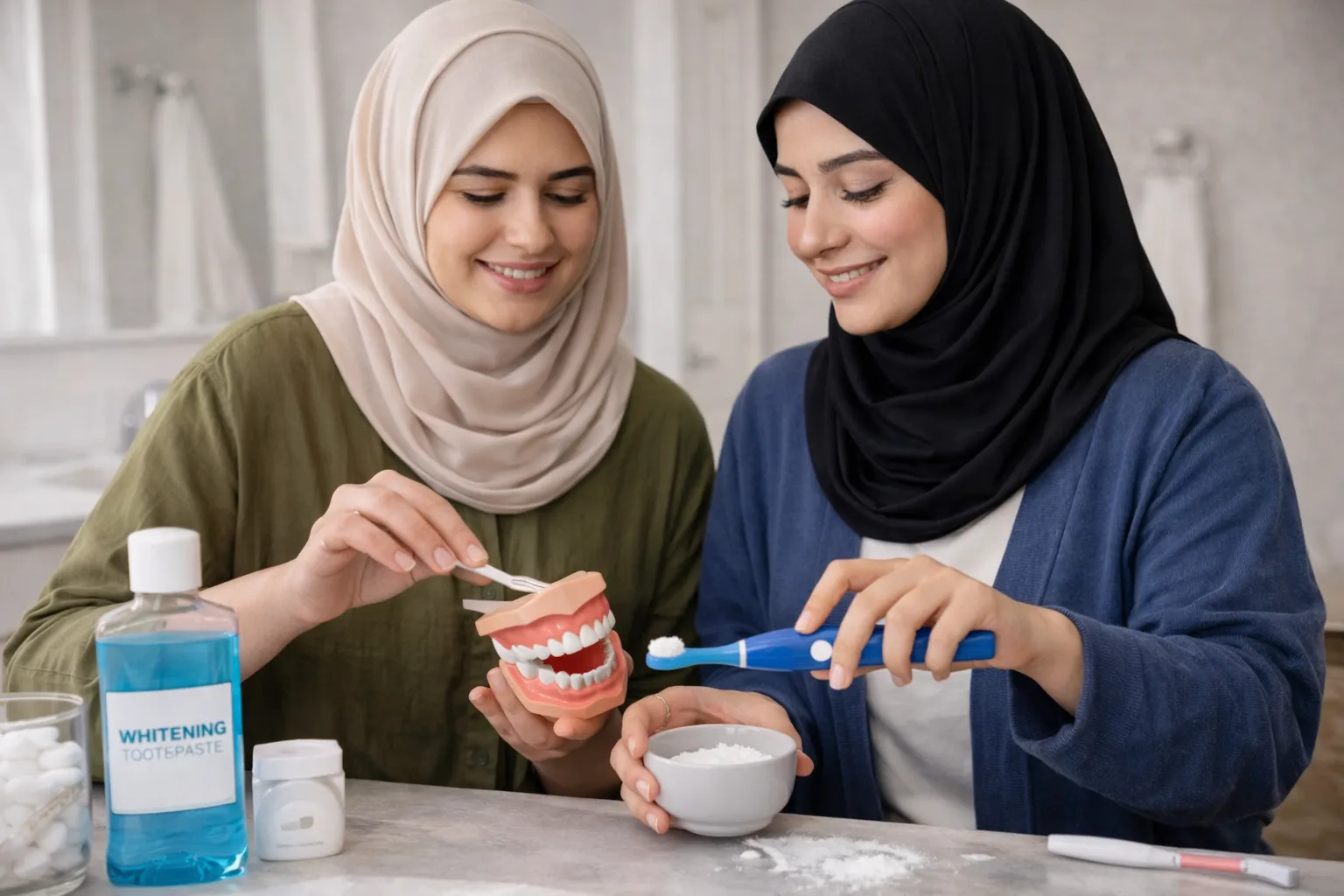
- Brushing Properly: Use a soft-bristled toothbrush and fluoride toothpaste. Brush for two minutes, covering all surfaces of your teeth, including the gumline. Electric toothbrushes can be more effective at plaque removal.
- Flossing Daily: Floss at least once a day to remove plaque and food particles between teeth where brushing can’t reach.
- Mouthwash: Rinse with an antiseptic mouthwash to reduce bacteria and freshen breath.
- Natural Remedies: Ingredients like baking soda, coconut oil (for oil pulling), and apple cider vinegar can help break down plaque naturally.
For those interested in deeper cleaning, exploring tartar removal methods can provide additional insights into maintaining oral health.
DIY Teeth Whitening Solutions
Whitening your teeth at home can be safe and effective if done correctly. Avoid harsh chemicals and opt for gentle, natural alternatives:
- Baking Soda and Hydrogen Peroxide: Mix a small amount to form a paste. Brush gently once a week to remove stains without damaging enamel.
- Activated Charcoal: Use sparingly to absorb toxins and surface stains. Apply a thin layer, rinse thoroughly, and limit use to once a week.
- Fruit Peels: Rub the inside of banana or orange peels on teeth for a mild whitening effect due to their natural acids and minerals.
- Oil Pulling: Swish coconut or sesame oil in your mouth for 10-20 minutes daily to reduce bacteria and promote whiter teeth.
Always patch-test any new remedy and consult a dentist if you have sensitive teeth or existing dental work. For more detailed guidance, check out our article on teeth whitening home remedies.
Comparing DIY Plaque Removal Methods
| Method | Effectiveness | Safety | Frequency |
|---|---|---|---|
| Brushing with Fluoride Toothpaste | High | Very Safe | Twice Daily |
| Flossing | High | Safe | Daily |
| Baking Soda Paste | Moderate | Safe if Used Sparingly | Once a Week |
| Oil Pulling | Moderate | Very Safe | Daily |
| Activated Charcoal | Low to Moderate | Risky if Overused | Once a Week |
Essential Tools for Home Dental Care
Equipping yourself with the right tools can make plaque removal and whitening more effective. Here’s what you need:
- Toothbrush: Choose a soft-bristled manual or electric brush. Replace every 3-4 months.
- Dental Floss: Use waxed or unwaxed floss, or floss picks for convenience.
- Tongue Scraper: Removes bacteria from the tongue to reduce plaque and bad breath.
- Mouthwash: Opt for alcohol-free versions to avoid dryness.
- DIY Ingredients: Keep baking soda, coconut oil, and hydrogen peroxide on hand for natural remedies.
Maintaining a clean home environment also supports overall health; learn about DIY pest control methods to prevent issues that could affect your well-being.
Common Mistakes to Avoid
When practicing dental hygiene at home, steer clear of these pitfalls:
- Over-brushing: Brushing too hard can damage enamel and gums. Use gentle, circular motions.
- Skipping Flossing: Neglecting flossing allows plaque to build up between teeth, leading to decay.
- Using Harsh Whitening Agents: Avoid excessive use of lemon juice or abrasive substances that erode enamel.
- Ignoring Professional Care: Home care complements but doesn’t replace regular dental check-ups.
- Not Rinsing After Meals: Rinsing with water helps remove food particles and acids that contribute to plaque.
FAQs About Dental Hygiene at Home
How often should I brush to remove plaque effectively?
Brush at least twice a day—once in the morning and once before bed—for two minutes each time. This frequency helps prevent plaque buildup and maintains oral health.
Are homemade whitening solutions safe for everyone?
Most DIY whitening methods are safe when used correctly, but individuals with sensitive teeth, gum disease, or dental restorations should consult a dentist first to avoid irritation or damage.
Can I remove tartar (dental calculus) at home?
No, tartar is hardened plaque that requires professional removal by a dentist. However, regular plaque removal at home can prevent tartar from forming in the first place.
What natural ingredients are best for plaque removal?
Baking soda, coconut oil (for oil pulling), and apple cider vinegar are effective natural options. They help break down plaque without harsh chemicals, but use them in moderation.
How long does it take to see results from DIY teeth whitening?
Results vary, but you may notice a difference in 1-2 weeks with consistent use. For significant stains, it might take longer, and professional treatments could be more effective.
Is flossing really necessary if I brush well?
Yes, flossing is essential because it removes plaque and debris from between teeth and under the gumline—areas that brushing alone can’t reach, reducing the risk of cavities and gum disease.
Can poor dental hygiene affect overall health?
Absolutely. Poor oral health is linked to systemic issues like heart disease and diabetes due to bacteria entering the bloodstream. Maintaining good dental hygiene supports overall well-being.
What should I do if I experience tooth pain at home?
For minor pain, rinse with warm salt water and avoid hard foods. If pain persists or is severe, seek professional care immediately. For more tips, refer to our guide on emergency dental care at home.