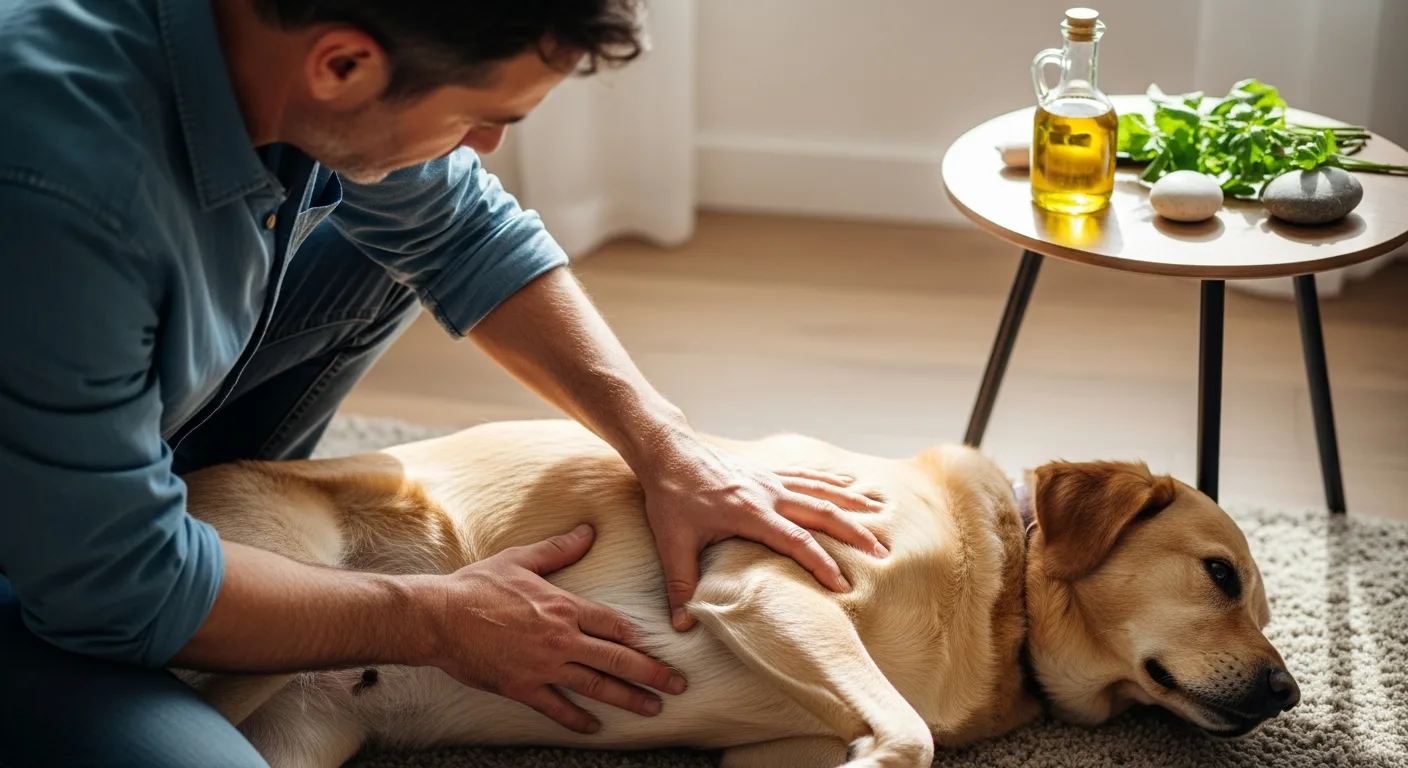
Watching your beloved dog struggle with hip dysplasia can be heartbreaking. This common condition, where the hip joint doesn’t develop properly, leads to arthritis, pain, and reduced mobility. While veterinary care is essential, many pet owners seek complementary home remedies for hip dysplasia in dogs to enhance comfort and quality of life. From natural supplements to gentle exercises, this guide explores safe, effective strategies to manage your dog’s symptoms at home, helping them stay active and happy.
Yes, home remedies can help manage hip dysplasia in dogs by reducing pain and inflammation. Key approaches include weight management, joint supplements like glucosamine, gentle exercise, heat therapy, and anti-inflammatory diets. Always consult your vet before starting any home treatment to ensure it’s safe for your dog’s specific condition.
Understanding Hip Dysplasia and Its Symptoms
Hip dysplasia is a genetic disorder where the hip joint is loose or malformed, causing wear and tear that leads to osteoarthritis. It’s common in large breeds like German Shepherds, Labrador Retrievers, and Golden Retrievers, but can affect any dog. Symptoms often appear in middle-aged or senior dogs, but may start earlier in severe cases. Recognizing these signs early allows for timely intervention with home remedies for hip dysplasia in dogs and veterinary care.
- Difficulty rising or lying down
- Limping or favoring one leg
- Reduced activity or reluctance to play
- Stiffness, especially after rest
- Audible clicking or grinding in the hip area
- Muscle loss in the hind legs
Natural Supplements for Joint Health
Supplements are a cornerstone of home treatment for dog with slipped disc and hip dysplasia, as they support cartilage and reduce inflammation. Always choose high-quality products and consult your vet for dosage recommendations based on your dog’s size and health.
- Glucosamine and Chondroitin: These compounds help rebuild cartilage and lubricate joints, easing stiffness and pain.
- Omega-3 Fatty Acids: Found in fish oil, omega-3s have anti-inflammatory properties that can reduce joint swelling and discomfort.
- MSM (Methylsulfonylmethane): A sulfur compound that may decrease inflammation and improve flexibility.
- Turmeric/Curcumin: A natural anti-inflammatory that can be added to food in small amounts, but check with your vet first.
- Green-Lipped Mussel Extract: Rich in nutrients that support joint health and reduce arthritis symptoms.
Diet and Weight Management Strategies
Excess weight puts additional stress on your dog’s hips, worsening pain and mobility issues. A balanced diet is crucial for arthritis in dogs home remedies, as it helps maintain a healthy weight and provides anti-inflammatory benefits.
- Feed a high-quality, protein-rich diet tailored to your dog’s age and activity level.
- Incorporate anti-inflammatory foods like blueberries, sweet potatoes, and leafy greens.
- Avoid fillers and processed ingredients that can contribute to weight gain and inflammation.
- Consider consulting a vet about prescription joint-support diets if needed.
- Monitor portion sizes and limit treats to prevent overfeeding.
For more on managing pet health at home, see our guide on pet health monitoring for conditions like anemia and glaucoma.
Exercise and Physical Therapy Techniques
Gentle, low-impact exercise helps maintain muscle strength and joint flexibility without exacerbating pain. Avoid high-impact activities like jumping or running on hard surfaces, which can strain the hips.
- Leisurely Walks: Short, frequent walks on soft surfaces like grass can improve circulation and mobility.
- Swimming: Water therapy is excellent for dogs with hip dysplasia, as it supports weight and reduces joint stress.
- Stretching Exercises: Gently stretch your dog’s legs daily to maintain range of motion, but stop if they show discomfort.
- Massage Therapy: Light massage around the hips and back can relieve tension and improve blood flow.
- Use Ramps or Steps: Help your dog access furniture or vehicles without jumping to prevent injury.
Home Comfort and Environmental Modifications
Creating a supportive home environment is key to dog joint pain relief natural. Simple changes can make a big difference in your dog’s daily comfort and mobility.
- Provide an orthopedic dog bed with memory foam to cushion joints and reduce pressure points.
- Keep your home warm, as cold temperatures can worsen stiffness and pain.
- Use non-slip rugs or mats on slippery floors to prevent falls and injuries.
- Elevate food and water bowls to reduce strain on the neck and back while eating.
- Consider using a harness instead of a collar for walks to avoid pulling on the neck.
For tips on enhancing home safety and accessibility, check out our article on accessibility maintenance for wheelchair lifts and other aids.
Pain Management and Alternative Therapies
In addition to supplements and exercise, other natural approaches can help manage pain. Always discuss these with your vet to ensure they’re appropriate for your dog.
| Therapy | Benefits | Considerations |
|---|---|---|
| Heat Therapy | Relaxes muscles, increases blood flow, reduces stiffness | Use a warm towel or heating pad on low, never directly on skin |
| Cold Therapy | Reduces inflammation and swelling after activity | Apply ice packs wrapped in cloth for short periods |
| Acupuncture | May stimulate pain relief and improve energy flow | Requires a certified veterinary acupuncturist |
| CBD Oil | Potential anti-inflammatory and pain-relieving effects | Choose pet-specific products and consult your vet for dosage |
For more on holistic home care, explore our resources on DIY dental care for managing oral health issues.
When to Seek Veterinary Care
While home remedies for hip dysplasia in dogs can be effective, they’re not a substitute for professional medical advice. Consult your vet if:
- Your dog’s pain worsens or they become unable to walk
- You notice sudden swelling or heat in the hip area
- Home treatments aren’t providing relief after a few weeks
- Your dog stops eating or shows signs of depression
- You’re considering surgery or prescription medications
Regular check-ups are essential to monitor progress and adjust treatment plans. For insights into managing other pet emergencies at home, refer to our guide on emergency pet care for conditions like mange and diarrhea.
FAQs About Hip Dysplasia in Dogs
What are the best home remedies for hip dysplasia in dogs?
The best home remedies include weight management, joint supplements like glucosamine, gentle exercise such as swimming, heat therapy, and anti-inflammatory diets. Always tailor these to your dog’s needs and consult a vet.
Can I treat my dog’s hip dysplasia at home without a vet?
While home remedies can help manage symptoms, it’s crucial to involve a vet for diagnosis and guidance. Untreated hip dysplasia can lead to severe pain and mobility loss, so professional care is recommended alongside home treatments.
How can I relieve my dog’s joint pain naturally?
For dog joint pain relief natural, try supplements like omega-3s, gentle massage, low-impact exercise, and environmental modifications like orthopedic beds. These approaches reduce inflammation and improve comfort without medications.
Are there specific foods that help with arthritis in dogs?
Yes, foods rich in omega-3s (e.g., salmon), antioxidants (e.g., blueberries), and joint-supporting nutrients (e.g., bone broth) can aid arthritis in dogs home remedies. Avoid processed foods and maintain a healthy weight to minimize joint stress.
What exercises are safe for a dog with hip dysplasia?
Safe exercises include short walks on soft surfaces, swimming, and stretching. Avoid jumping, running on hard ground, or intense play that could exacerbate hip pain and damage.
How long does it take to see results from home treatments?
Results vary, but you may notice improvement in mobility and pain within 2-4 weeks with consistent use of supplements and lifestyle changes. Patience is key, as natural remedies often work gradually.
Can hip dysplasia be cured with home remedies?
No, hip dysplasia is a structural condition that can’t be cured, but home remedies can effectively manage pain and slow progression. In severe cases, surgery may be necessary, so discuss options with your vet.
Is weight management really important for dogs with hip dysplasia?
Absolutely. Excess weight increases stress on the hips, worsening pain and arthritis. Maintaining a healthy weight through diet and exercise is one of the most impactful home remedies for hip dysplasia in dogs.