Transforming your basement into a home theater is an exciting project, but achieving perfect sound can be tricky. Unlike other rooms, basements often have unique acoustic challenges like low ceilings, concrete walls, and limited natural light, which can lead to echoes, bass buildup, and sound leakage. With the right approach to basement home theater acoustics, you can create a cinematic experience that rivals commercial theaters. This guide covers everything from acoustic panel placement to soundproofing logic and subwoofer positioning, ensuring your setup delivers crisp, immersive audio without disturbing the rest of the house.
For optimal basement home theater acoustics, place acoustic panels at first reflection points on side walls and ceilings, use bass traps in corners to control low frequencies, and position subwoofers based on room dimensions (e.g., front wall or corner placement). Soundproof with mass-loaded vinyl, insulation, and sealed gaps to prevent noise transfer.
Understanding Basement Acoustic Challenges
Basements are ideal for home theaters due to their isolation from main living areas, but they come with specific acoustic issues. Concrete walls and floors reflect sound waves, causing reverberation and echo, while low ceilings can amplify mid-range frequencies. Additionally, HVAC systems and plumbing can introduce unwanted noise. Addressing these challenges starts with a thorough assessment of your space. Measure room dimensions, identify hard surfaces, and test sound levels to pinpoint problem areas. For a comprehensive approach to room design, consider integrating elements from home office acoustics, which share similar principles in managing sound reflections.
- Concrete surfaces cause sound reflections and echoes.
- Low ceilings may amplify certain frequency ranges.
- HVAC and plumbing noise can interfere with audio clarity.
- Limited natural light affects acoustic material choices.
Acoustic Panel Placement for Optimal Sound
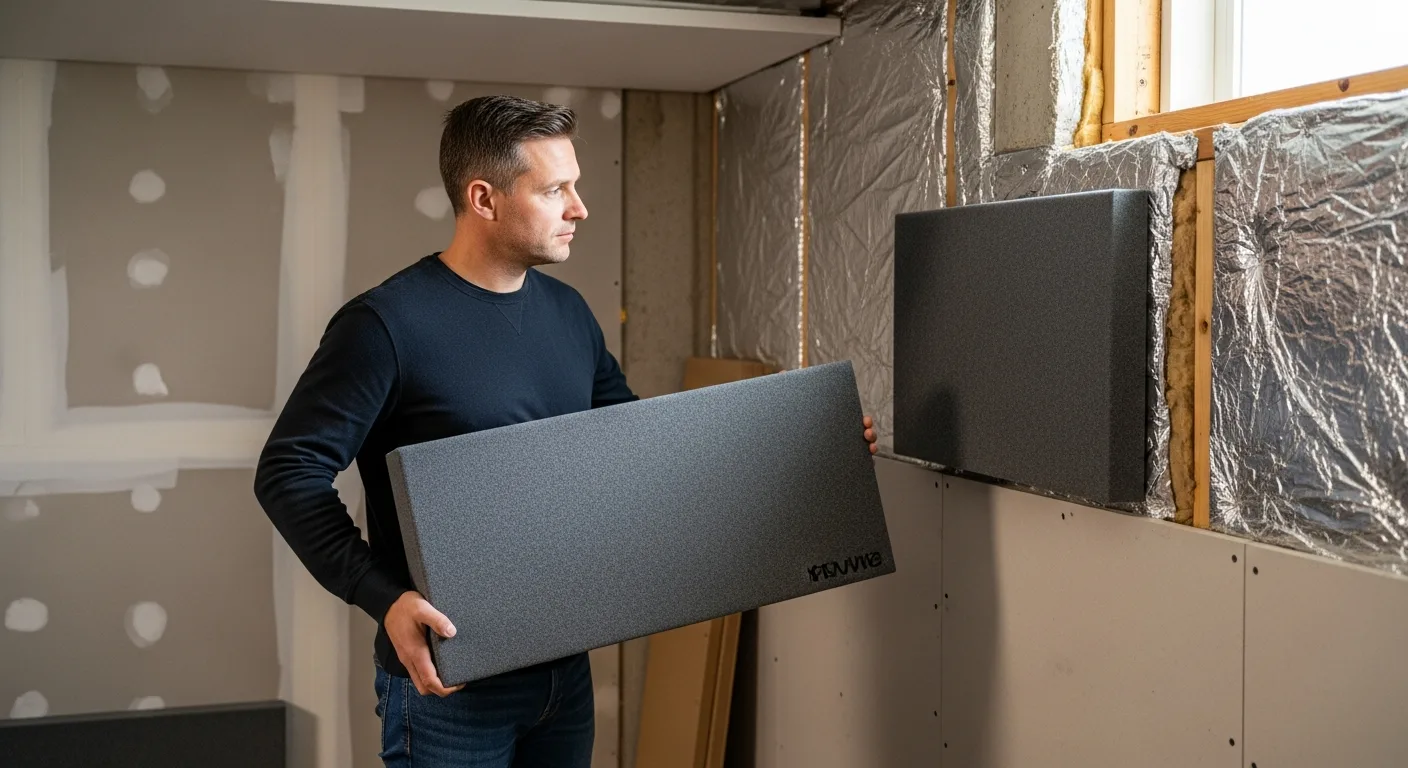
Acoustic panels are essential for absorbing sound waves and reducing reflections in a basement home theater. Proper placement is key to maximizing their effectiveness. Start by identifying first reflection points—where sound from your speakers bounces off walls and ceilings directly to your listening position. Use the mirror trick: have someone hold a mirror along the wall while you sit in your main seat; where you see the speaker reflected is a reflection point. Place panels there to absorb early reflections and improve clarity. For bass management, install bass traps in room corners, as low frequencies tend to accumulate there. A balanced setup might include:
- Panels on side walls at ear level for mid and high frequencies.
- Ceiling panels above the seating area to control overhead reflections.
- Bass traps in all four corners to tame low-end boominess.
- Diffusion panels on the rear wall to scatter sound for a more natural ambiance.
When planning your layout, draw inspiration from home theater acoustic treatment guides, which offer detailed advice on panel types and configurations for various room sizes.
Soundproofing Logic for Home Theater Basements
Soundproofing prevents noise from escaping your basement home theater, ensuring you don’t disturb others in the house. The logic involves adding mass, damping, and decoupling to block sound transmission. Start with the walls: install mass-loaded vinyl (MLV) or acoustic drywall to increase mass, and use resilient channels to decouple drywall from studs, reducing vibration transfer. For floors, consider adding insulation and a floating subfloor to isolate impact noise. Don’t forget doors and windows—seal gaps with weatherstripping and use solid-core doors. A layered approach is most effective, as shown in this comparison:
| Soundproofing Method | Purpose | Best For |
|---|---|---|
| Mass-Loaded Vinyl (MLV) | Blocks airborne sound | Walls and ceilings |
| Resilient Channels | Decouples surfaces | Reducing vibration |
| Acoustic Insulation | Absorbs sound within cavities | Wall and floor cavities |
| Weatherstripping | Seals gaps | Doors and windows |
For more on exterior protection, check out our guide on home wrap installation, which covers techniques that can complement soundproofing efforts.
Home Theater Subwoofer Placement Strategies
Subwoofer placement is critical for balanced bass in your basement home theater. Low frequencies are omnidirectional, meaning they radiate in all directions, but room modes (standing waves) can cause peaks and nulls—areas where bass is too loud or too quiet. To find the best spot, use the subwoofer crawl: place the sub in your main listening seat, play bass-heavy content, and crawl around the room to locate where bass sounds smoothest; that’s where to place your sub. Common strategies include:
- Front wall placement: Near the center or corner for reinforced bass.
- Corner placement: Maximizes output but can exaggerate room modes.
- Multiple subs: Place two or more subs to even out bass response across seating areas.
Adjust settings like crossover frequency and phase to integrate the sub with your main speakers. For related audio setup tips, explore home arcade basketball and game room design, which often involves similar acoustic considerations for immersive sound.
Integrating Acoustics with Overall Theater Design
A successful basement home theater blends acoustics with aesthetics and functionality. Choose acoustic panels that match your decor—options include fabric-wrapped panels, wooden diffusers, and decorative prints. Plan seating layout to avoid acoustic dead zones; typically, place seats away from walls and at a distance of 1.5 to 2 times the screen width for optimal viewing and sound. Incorporate lighting that doesn’t interfere with audio equipment, and ensure proper ventilation to prevent heat buildup from electronics. For a holistic approach, consider how luxury home renovation ideas can enhance your theater’s design while maintaining acoustic integrity.
- Select acoustic materials that complement your room’s style.
- Position seating to optimize sound and view angles.
- Use dimmable LED lights to reduce glare on screens.
- Install quiet HVAC systems to minimize background noise.
Frequently Asked Questions
How many acoustic panels do I need for a basement home theater?
It depends on room size and acoustic issues, but a general rule is to cover 20-30% of wall and ceiling surfaces with absorption panels. Start with first reflection points and corners, then add more based on sound tests.
What’s the difference between soundproofing and acoustic treatment?
Soundproofing blocks sound from entering or leaving the room (e.g., using mass and seals), while acoustic treatment improves sound quality inside the room (e.g., with panels and bass traps). Both are essential for a basement home theater.
Where should I place my subwoofer in a rectangular basement?
For rectangular rooms, try placing the subwoofer along the front wall, either centered or in a corner. Use the subwoofer crawl method to fine-tune placement for even bass distribution.
Can I use DIY acoustic panels for my home theater?
Yes, DIY panels made from rigid fiberglass or rockwool wrapped in fabric can be effective and cost-efficient. Ensure they’re properly sized and placed at reflection points for best results.
How do I reduce echo in my basement home theater?
Add absorption panels on walls and ceilings, use thick carpets or rugs on floors, and incorporate soft furnishings like curtains and upholstered seats to dampen reflections.
What materials are best for soundproofing a basement?
Mass-loaded vinyl, acoustic drywall, insulation (like fiberglass or mineral wool), and sealing compounds are top choices. Combine these with decoupling techniques for maximum effectiveness.
Is it necessary to hire a professional for acoustic setup?
While DIY is possible, professionals can provide precise measurements and solutions for complex rooms. If you’re unsure, consult an acoustic expert to optimize your basement home theater acoustics.
Frequently Asked Questions
How many acoustic panels do I need for a basement home theater?
It depends on room size and acoustic issues, but a general rule is to cover 20-30% of wall and ceiling surfaces with absorption panels. Start with first reflection points and corners, then add more based on sound tests.
What's the difference between soundproofing and acoustic treatment?
Soundproofing blocks sound from entering or leaving the room (e.g., using mass and seals), while acoustic treatment improves sound quality inside the room (e.g., with panels and bass traps). Both are essential for a basement home theater.
Where should I place my subwoofer in a rectangular basement?
For rectangular rooms, try placing the subwoofer along the front wall, either centered or in a corner. Use the subwoofer crawl method to fine-tune placement for even bass distribution.
Can I use DIY acoustic panels for my home theater?
Yes, DIY panels made from rigid fiberglass or rockwool wrapped in fabric can be effective and cost-efficient. Ensure they’re properly sized and placed at reflection points for best results.
How do I reduce echo in my basement home theater?
Add absorption panels on walls and ceilings, use thick carpets or rugs on floors, and incorporate soft furnishings like curtains and upholstered seats to dampen reflections.
What materials are best for soundproofing a basement?
Mass-loaded vinyl, acoustic drywall, insulation (like fiberglass or mineral wool), and sealing compounds are top choices. Combine these with decoupling techniques for maximum effectiveness.
Is it necessary to hire a professional for acoustic setup?
While DIY is possible, professionals can provide precise measurements and solutions for complex rooms. If you’re unsure, consult an acoustic expert to optimize your basement home theater acoustics.