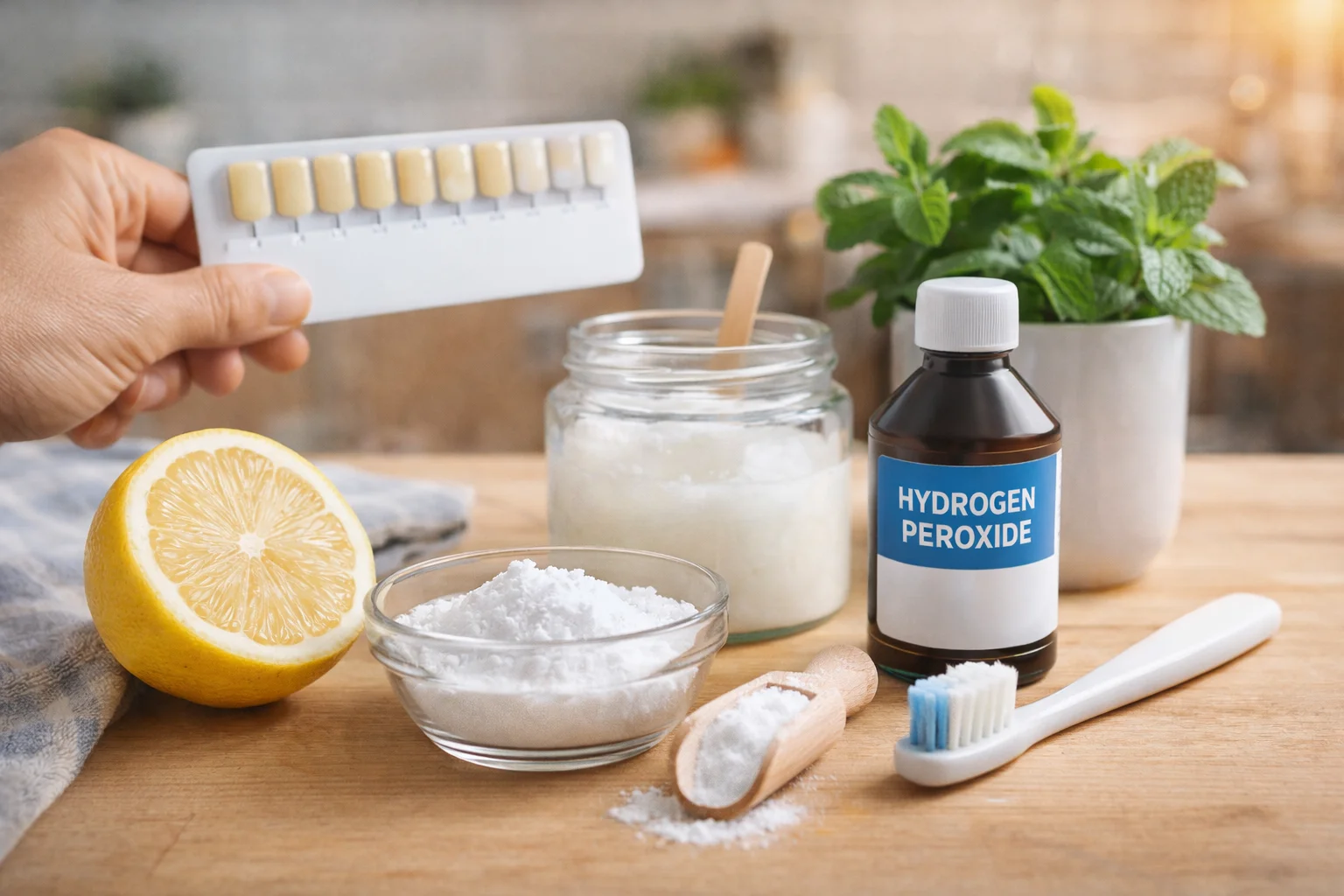
In today’s fast-paced world, maintaining a bright, healthy smile has become more important than ever. With rising dental costs and busy schedules, many people are turning to at-home solutions for dental hygiene. Whether you’re looking to remove stubborn stains or combat tartar buildup, there are numerous safe and effective methods you can implement right in your own bathroom. This comprehensive guide will walk you through proven teeth whitening home remedies and practical approaches for tartar removal at home, helping you achieve professional-level results without breaking the bank.
The most effective at-home dental hygiene combines natural whitening remedies like baking soda and hydrogen peroxide with proper brushing techniques and regular flossing to prevent tartar buildup. While professional cleaning is best for heavy tartar, consistent home care can maintain results between dental visits.
Understanding Dental Stains and Tartar Formation
Before diving into specific remedies, it’s crucial to understand what causes dental discoloration and tartar buildup. Dental stains typically fall into two categories: extrinsic stains that affect the tooth surface from coffee, tea, wine, or tobacco, and intrinsic stains that occur within the tooth structure. Tartar, also known as calculus, forms when plaque hardens on teeth due to mineral deposits from saliva. Unlike plaque that you can remove with regular brushing, tartar requires professional dental tools for complete removal once it has hardened. However, preventing its formation is something you can absolutely manage at home with proper techniques.
Natural Teeth Whitening Home Remedies
When it comes to teeth whitening home remedies, nature provides some surprisingly effective solutions. These methods are generally safer and more affordable than commercial products, though results may vary depending on the severity of staining.
- Baking Soda and Hydrogen Peroxide: Create a paste by mixing baking soda with a small amount of hydrogen peroxide. The mild abrasiveness of baking soda helps remove surface stains while hydrogen peroxide acts as a bleaching agent.
- Activated Charcoal: This porous substance binds to stains and toxins on tooth surfaces. Use it sparingly (once or twice weekly) to avoid excessive abrasion.
- Coconut Oil Pulling: Swish a tablespoon of coconut oil in your mouth for 15-20 minutes daily. This ancient Ayurvedic practice helps remove bacteria and surface stains while promoting gum health.
- Strawberry and Baking Soda Paste: The malic acid in strawberries combined with baking soda creates a natural whitening treatment. Mash one strawberry with half a teaspoon of baking soda, apply to teeth for 5 minutes, then rinse thoroughly.
Remember that while these natural remedies can be effective for mild to moderate staining, they’re not substitutes for professional dental care. If you have severe discoloration or dental restorations like crowns or veneers, consult your dentist before trying any whitening methods.
How to Remove Tartar at Home Safely
Learning how to remove tartar at home requires understanding the difference between prevention and removal. Once tartar has hardened on your teeth, complete removal typically requires professional dental scaling. However, you can prevent its formation and remove early-stage tartar with consistent home care practices.
- Proper Brushing Technique: Use a soft-bristled toothbrush at a 45-degree angle to your gums, making small circular motions. Brush for two full minutes, twice daily, paying special attention to the areas where tartar commonly forms: behind lower front teeth and the outer surfaces of upper molars.
- Electric Toothbrush Advantage: Studies show that electric toothbrushes are more effective at removing plaque than manual brushing. Many models include timers to ensure you brush long enough and pressure sensors to prevent gum damage.
- Daily Flossing: Tartar often forms between teeth where brushes can’t reach. Floss at least once daily, curving the floss around each tooth in a C-shape and gently sliding it beneath the gumline.
- Antiseptic Mouthwash: Use an antiseptic mouthwash containing essential oils or cetylpyridinium chloride to reduce plaque-forming bacteria. Swish for 30 seconds after brushing and flossing.
- Dental Scrapers (Use with Caution): Dental scalers or scrapers can remove early tartar buildup, but improper use can damage enamel or gums. If you choose to use one, follow instructions carefully and apply minimal pressure.
Just as maintaining your mobile home’s exterior requires regular attention to prevent major issues, consistent dental care prevents tartar from becoming a serious problem that requires professional intervention.
Comparing At-Home Dental Products
With countless dental products on the market, choosing the right tools can be overwhelming. This comparison table will help you select the most effective options for your at-home dental hygiene routine.
| Product Type | Best For | Effectiveness | Cost Range |
|---|---|---|---|
| Whitening Toothpaste | Mild surface stains | Moderate | $5-$15 |
| Whitening Strips | Moderate discoloration | High | $20-$50 |
| Electric Toothbrush | Plaque prevention | Very High | $30-$200 |
| Water Flosser | Gum health & hard-to-reach areas | High | $40-$100 |
| DIY Whitening Kits | Customized treatment | Variable | $15-$80 |
Creating Your At-Home Dental Routine
Consistency is key when it comes to at-home dental care. Establishing a routine that combines whitening efforts with tartar prevention will yield the best long-term results. Start with a morning routine that includes oil pulling or brushing with whitening toothpaste, followed by flossing and antiseptic mouthwash. In the evening, focus on thorough plaque removal before bed when saliva production decreases and bacteria multiply more rapidly. Consider incorporating weekly treatments like baking soda paste or activated charcoal for maintenance whitening. Remember that your dental routine should complement, not replace, regular professional cleanings every six months.
Much like setting up a comprehensive smart home system requires planning and consistent maintenance, establishing an effective dental hygiene routine involves creating habits that work together for optimal results.
Common Mistakes to Avoid
Even with the best intentions, people often make errors in their at-home dental care that can actually harm their teeth. Being aware of these common mistakes will help you maintain both the beauty and health of your smile.
- Over-whitening: Excessive use of whitening products can lead to tooth sensitivity and enamel erosion. Follow product instructions carefully and give your teeth breaks between treatments.
- Brushing too hard: Aggressive brushing doesn’t clean better—it wears down enamel and can cause gum recession. Use gentle pressure and let the bristles do the work.
- Skipping professional cleanings: No amount of home care can replace professional scaling to remove hardened tartar. Maintain regular dental checkups even if your teeth look and feel clean.
- Using inappropriate tools: Never use household items like pins or knives to scrape tartar. These can cause irreversible damage to tooth surfaces and gums.
- Ignoring gum health: Whitening treatments won’t help if you have gum disease. Address any bleeding, swelling, or tenderness in your gums before focusing on cosmetic improvements.
When to See a Professional
While at-home methods are excellent for maintenance and mild issues, certain situations require professional dental intervention. If you experience persistent tooth sensitivity, notice dark stains that won’t respond to home treatments, have visible tartar buildup that you cannot remove, or develop any pain or swelling in your gums or teeth, schedule a dental appointment immediately. Professional whitening treatments offer stronger, faster results for stubborn discoloration, and only a dentist can safely remove hardened tartar without damaging your teeth. Think of your dentist as you would any specialist—there for the jobs that require expertise beyond what home care can provide.
Frequently Asked Questions
Are teeth whitening home remedies safe for everyone?
Most natural whitening remedies are safe for people with healthy teeth and gums, but those with dental restorations, sensitive teeth, or gum disease should consult a dentist first. Some ingredients like lemon juice or undiluted apple cider vinegar can erode enamel if used excessively.
How often should I use baking soda to whiten my teeth?
Limit baking soda treatments to 1-2 times per week. While effective at removing surface stains, its abrasive nature can damage enamel if used too frequently. Always follow with regular toothpaste containing fluoride to help remineralize teeth.
Can I completely remove tartar at home without seeing a dentist?
Once tartar has hardened (calcified), complete removal typically requires professional dental tools. However, you can prevent new tartar formation and remove early-stage tartar with consistent brushing, flossing, and antiseptic mouthwash. For existing hardened tartar, professional cleaning is necessary.
What’s the fastest way to whiten teeth at home?
Whitening strips or trays with carbamide or hydrogen peroxide typically provide the fastest visible results among at-home options, often showing improvement within a few days. Natural remedies like baking soda paste can show results within a week but may take longer for significant changes.
Do whitening toothpastes actually work?
Whitening toothpastes can effectively remove surface stains through mild abrasives and chemical agents, but they cannot change the natural color of your teeth or lighten deep stains. They’re best for maintenance after professional whitening or for preventing new stains from forming.
How can I prevent tartar buildup between dental visits?
Prevent tartar by brushing twice daily with fluoride toothpaste, flossing daily, using antiseptic mouthwash, and limiting sugary foods and drinks that promote plaque formation. An electric toothbrush and regular dental cleanings every six months provide additional protection.
Are there any foods that naturally whiten teeth?
Crunchy fruits and vegetables like apples, carrots, and celery can help clean teeth surfaces as you chew. Strawberries contain malic acid, which may help remove surface stains, while dairy products like cheese and yogurt provide calcium that strengthens enamel.
What should I do if home whitening causes sensitivity?
Discontinue use immediately and switch to toothpaste designed for sensitive teeth. Give your teeth a break from whitening treatments for at least a week. If sensitivity persists, consult your dentist, who may recommend professional fluoride treatments or other solutions.